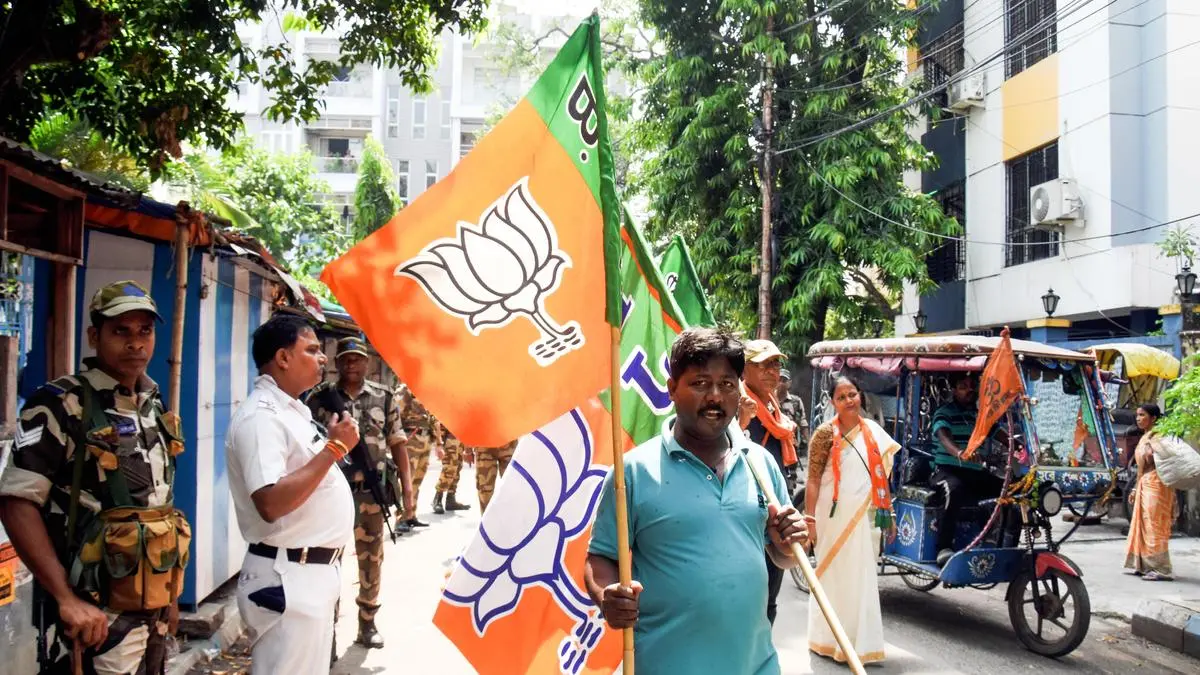
West Bengal Phase I Election Data: 23% of Candidates Disclose Criminal Records

Data from the first phase of West Bengal elections shows 23% of candidates reporting criminal cases, while 21% hold assets exceeding 10 million rupees.
In the initial phase of the West Bengal elections, 23% of candidates have disclosed pending criminal cases in their nomination filings. Alongside the high incidence of legal challenges, 21% of these candidates meet the criteria for 'crorepati' status, reporting assets in excess of 10 million rupees.
Candidate Profile and Asset Concentration
The disclosure requirements for Indian elections provide a granular look at the financial and legal standing of those seeking office. With nearly a quarter of the field facing active litigation, the political risk profile for Phase I is elevated. The concentration of wealth among more than one-fifth of the participants suggests that the electoral contest is increasingly dominated by individuals with substantial capital reserves.
| Metric | Percentage of Field |
|---|---|
| Candidates with criminal cases | 23% |
| Candidates with assets > 10M INR | 21% |
Market Implications for Regional Stability
For investors monitoring the market analysis for regional stability, these figures indicate a highly polarized electoral environment. Elections in West Bengal often coincide with localized volatility in regional industrial output. Institutional capital typically reacts to shifts in political leadership that could impact land acquisition policies or labor regulations. If the high number of 'crorepati' candidates signals a shift toward specific industrial-backed lobbying, traders should watch for potential re-allocations in regionally exposed stocks.
"The disclosure of criminal cases and high asset values among candidates remains a primary metric for assessing the integrity and financial backing of local political campaigns," notes the recent data release.
What Traders Should Watch
Beyond the headline percentages, the key risk is the potential for administrative disruption. When a significant portion of the candidate pool carries legal baggage, the legislative process following the election often faces gridlock. Market participants should monitor the election results for signs of a clear mandate versus a hung assembly, as the latter would likely lead to policy paralysis in the state capital. Watch for fluctuations in local credit spreads and the performance of regional manufacturing firms during the campaign cycle. Expect the market to price in these risks as the election progresses through its subsequent phases.
Political stability in West Bengal remains a critical variable for long-term regional economic growth, so watch how these disclosures influence voter sentiment in the final count.
AI-drafted from named primary sources (exchange feeds, SEC filings, named news wires) and reviewed against AlphaScala editorial standards. Every price, earnings figure, and quote traces to a specific source.