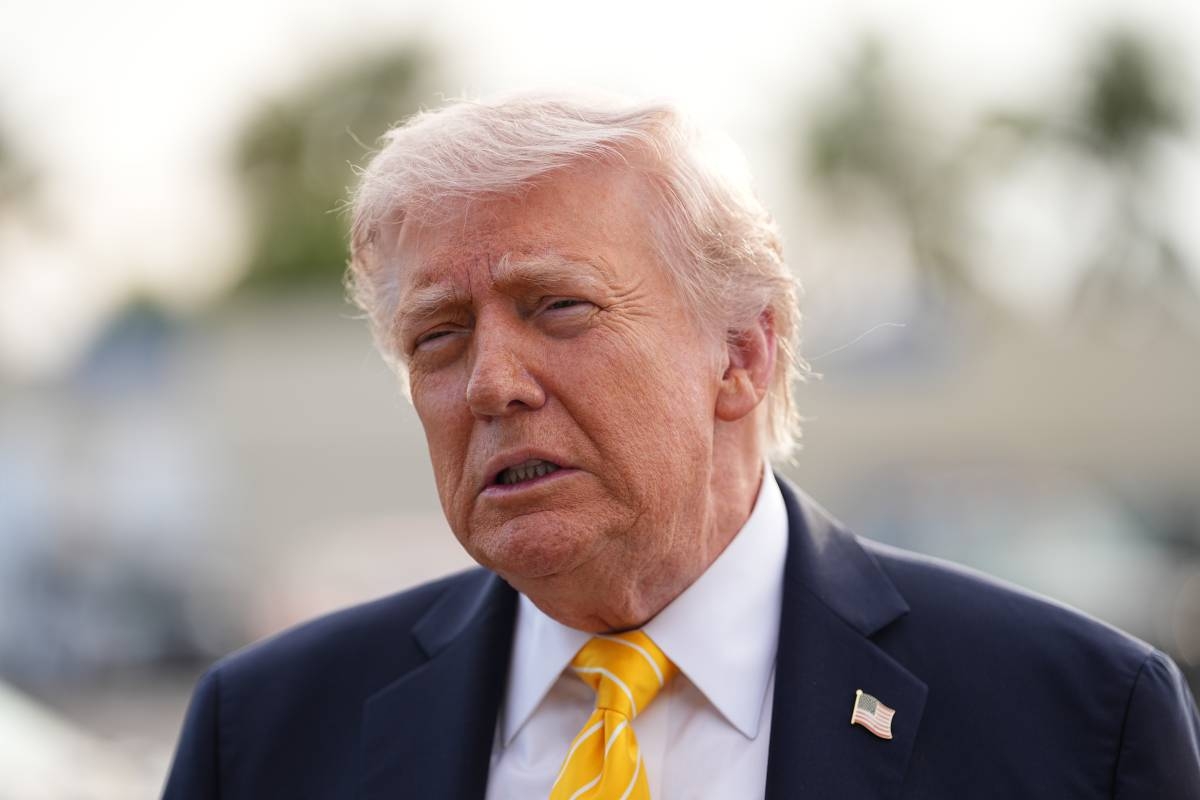
President Donald Trump confirmed on Saturday that his administration is currently reviewing a new proposal from Iran aimed at concluding the ongoing conflict. While the development marks a potential shift in diplomatic engagement, the President expressed significant skepticism regarding the viability of the proposal and its ability to culminate in a formal agreement.
Diplomatic Hurdles and Strategic Intent
The introduction of a new proposal suggests that channels for negotiation remain active despite the high level of geopolitical tension surrounding the region. For market observers, the primary concern remains the potential for sudden shifts in energy supply chains and regional stability. The skepticism voiced by the administration indicates that the current framework of the proposal may not yet align with the core requirements set forth by the United States.
Market participants often view such diplomatic overtures as binary events. A successful negotiation could lead to a reduction in risk premiums currently embedded in energy-sensitive sectors. Conversely, a rejection of the proposal or a breakdown in talks typically reinforces the status quo, keeping volatility elevated in markets sensitive to Middle Eastern stability.
Sector Read-Through and Market Impact
Energy markets are particularly sensitive to these developments. Any indication that a resolution is nearing often triggers a repricing of crude oil futures, which in turn influences broader industrial costs. Investors should monitor how these diplomatic signals filter into the stock market analysis regarding energy producers and logistics firms that rely on stable transit routes.
In the technology sector, companies like ON Semiconductor Corporation (ON) maintain a complex relationship with global supply chains. With an Alpha Score of 46/100, the stock currently reflects a mixed outlook as the broader technology sector navigates both macroeconomic headwinds and geopolitical uncertainty. The ability of the administration to secure a deal or maintain a firm stance will dictate the risk appetite for multinational firms with significant exposure to international markets.
The Path to Resolution
The next concrete marker for this narrative will be the formal response from the White House regarding the specific terms of the Iranian proposal. Until a definitive rejection or a move toward structured dialogue occurs, the market will likely remain in a holding pattern. Investors should watch for follow-up statements from the State Department or official briefings that clarify whether the proposal contains substantive concessions or if it is merely a tactical delay in the ongoing regional standoff.