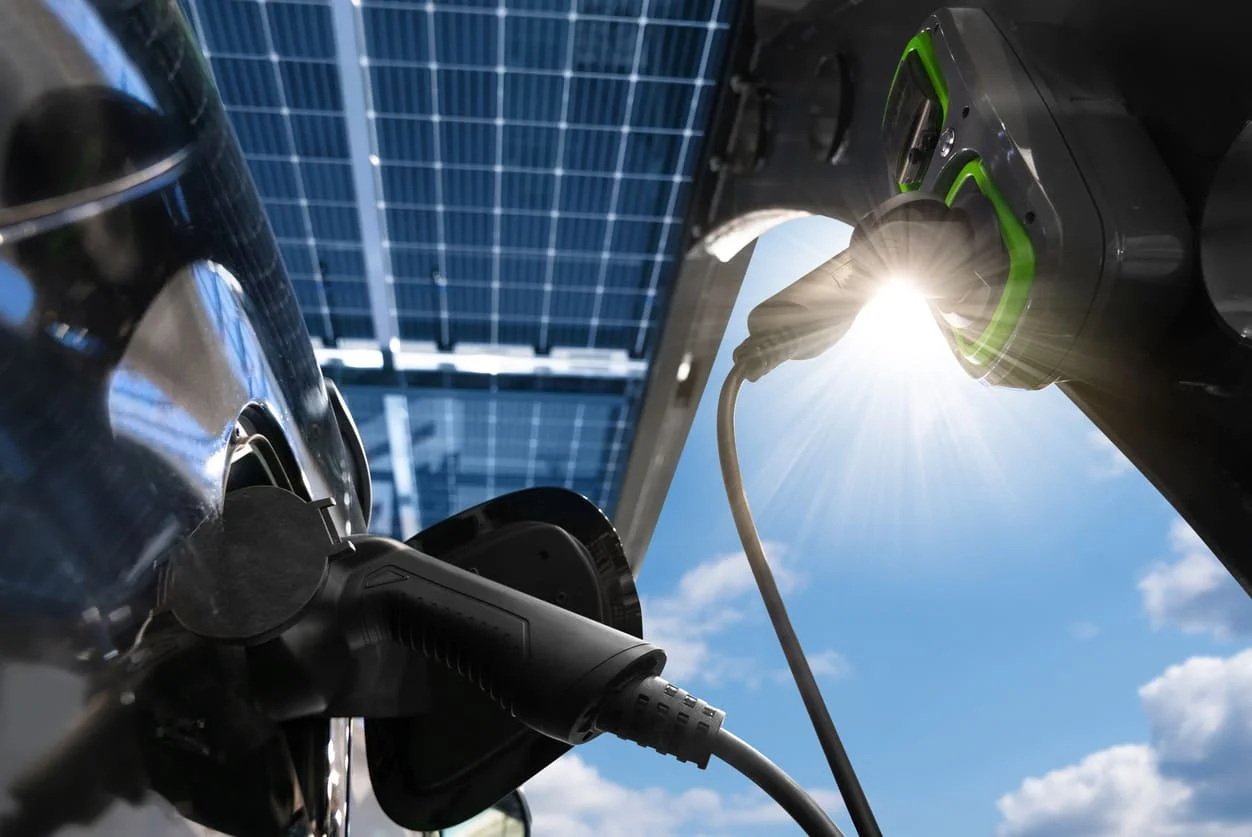
A single voltage spike can destroy a solar inverter or EV charger in microseconds. The cost of replacing that equipment often runs into thousands of dollars, plus lost generation or charging revenue. The naive read is that a basic surge protection device (SPD) at the main panel solves the problem. The better market read is that most installations need a coordinated, multi-layer protection strategy to handle both external threats like lightning and internal threats like utility switching.
Key insight: The expense of a single inverter or charging module replacement frequently exceeds the cost of a complete, layered SPD system. For commercial operators, this is a reliability and uptime problem that directly affects revenue, not just a maintenance line item.
How SPDs Actually Work and Why One Layer Fails
A surge protection device limits transient overvoltage by redirecting excess electrical energy away from connected equipment. When voltage rises beyond a safe level, the SPD reacts almost instantly and diverts the surge current safely to ground. This process helps preserve system stability.
Yet one SPD at the main panel cannot protect equipment at the far end of a long DC run from a solar array or at a remote EV charger. The article identifies three classifications, each serving a specific role:
Using multiple SPD layers creates a stronger and more balanced protection strategy. Each type handles a different level of electrical stress while improving overall system resilience.
Solar Installations: The DC Side and AC Side Pathways
Solar energy systems are naturally exposed to outdoor environmental conditions. Most photovoltaic installations sit on rooftops or open spaces where lightning activity and atmospheric disturbances increase electrical risk. Even indirect lightning strikes can create powerful transient voltages that travel through nearby infrastructure and enter the solar system through conductive wiring.
The article identifies two critical pathways for surges:
- DC side: Surges travel from the solar array through the DC wiring to the inverter.
- AC side: Surges enter from the utility grid through the AC connection.
Because surges can travel through both pathways, complete system protection requires coordinated SPD installation across the entire electrical network. Several critical solar components are highly vulnerable:
- Solar inverters – The most expensive single component in most systems
- Combiner boxes – Where multiple strings of panels connect
- Monitoring systems – Often overlooked but essential for performance tracking
- Battery storage units – Increasingly common and highly sensitive
- Smart energy controllers – The brains of modern systems
If one of these components fails, the entire energy system may experience interruptions, reduced efficiency, or expensive repair requirements.
EV Chargers: Higher Power, Higher Sensitivity
Electric vehicle charging systems handle larger electrical loads and more advanced communication functions than most other equipment. The article points out that EV chargers continuously transfer high levels of energy during charging cycles, creating greater sensitivity to transient overvoltage events.
Voltage surges can damage charging stations, vehicle electronics, communication systems, and smart charging software if no protection is installed. Many chargers are also installed outdoors, where they are exposed to rain, humidity, temperature fluctuations, and lightning activity. These environmental conditions create additional stress on electrical systems.
Risk to watch: Repeated low-level surges slowly degrade electronic components over time. The article notes that modern renewable energy systems rely on semiconductor-based electronics that are more sensitive than traditional equipment. Gradual failure is a real risk, not just catastrophic damage.
The Business Case: Uptime, Warranty Costs, and Competitive Advantage
Surge protection provides more than immediate equipment defense. One of the biggest advantages is reduced long-term maintenance expense. Replacing damaged inverters, charging modules, or communication systems can become extremely costly, especially in large commercial installations.
SPDs also help extend equipment lifespan by minimizing repeated electrical stress. Even smaller transient events gradually weaken electronics over time, so reducing voltage fluctuations improves long-term reliability.
Another important benefit is operational stability. Renewable energy systems rely heavily on communication between interconnected devices. Monitoring platforms, automation systems, cloud-based controls, and smart charging infrastructure all require stable electrical conditions to function properly. A surge that knocks out a monitoring system can leave an operator blind to performance issues for days or weeks.
For investors in solar and EV charging companies, the quality of surge protection is a proxy for system reliability and long-term warranty exposure. Companies that skimp on protection face higher warranty claims and customer dissatisfaction. Companies that invest in proper protection build a competitive advantage in uptime and customer trust.
Installation Traps and Maintenance Blind Spots
Even the best SPD will perform poorly if installed incorrectly. The article emphasizes that proper grounding, cable routing, and coordination between protection stages are essential for reliable operation. Routine inspection is also important because SPDs gradually wear down as they absorb repeated surge events. Warning light changes, physical damage, or declining performance may indicate replacement is necessary.
Bottom line for traders: Many operators install SPDs and forget them, leaving systems unprotected after the first few surge events. This creates a recurring service opportunity for manufacturers and installers, and a recurring risk for asset owners.
The Growing Importance as Systems Get More Complex
Renewable energy systems and EV infrastructure continue expanding across residential, commercial, and industrial sectors. As electrical systems become more connected, they become more dependent on advanced electronics, cloud-based monitoring, battery storage technology, and intelligent automation. This growing complexity increases the importance of reliable surge protection.
Stable electrical protection not only supports equipment safety but also contributes to improved energy efficiency, lower maintenance costs, and stronger infrastructure resilience. Companies like CHINT provide electrical solutions that help improve system stability and support safer energy distribution across a wide range of renewable energy and EV charging applications.
For anyone investing in solar power systems or EV charging infrastructure, understanding the need for coordinated, multi-layer surge protection is essential. While these technologies deliver major environmental and operational benefits, they also rely on sensitive electronics that require protection from unpredictable voltage surges. By implementing layered SPD protection across key installation points, operators can reduce equipment damage, improve operational reliability, and support long-term system performance.
For a broader view of how sector-level risks and opportunities evolve, see our ongoing stock market analysis.