President Trump is reviewing a 14-point Iran peace proposal delivered via Pakistan. Markets must weigh the diplomatic opening against the risk of rejection.
Alpha Score of 54 reflects moderate overall profile with moderate momentum, strong value, weak quality. Based on 3 of 4 signals — score is capped at 90 until remaining data ingests.
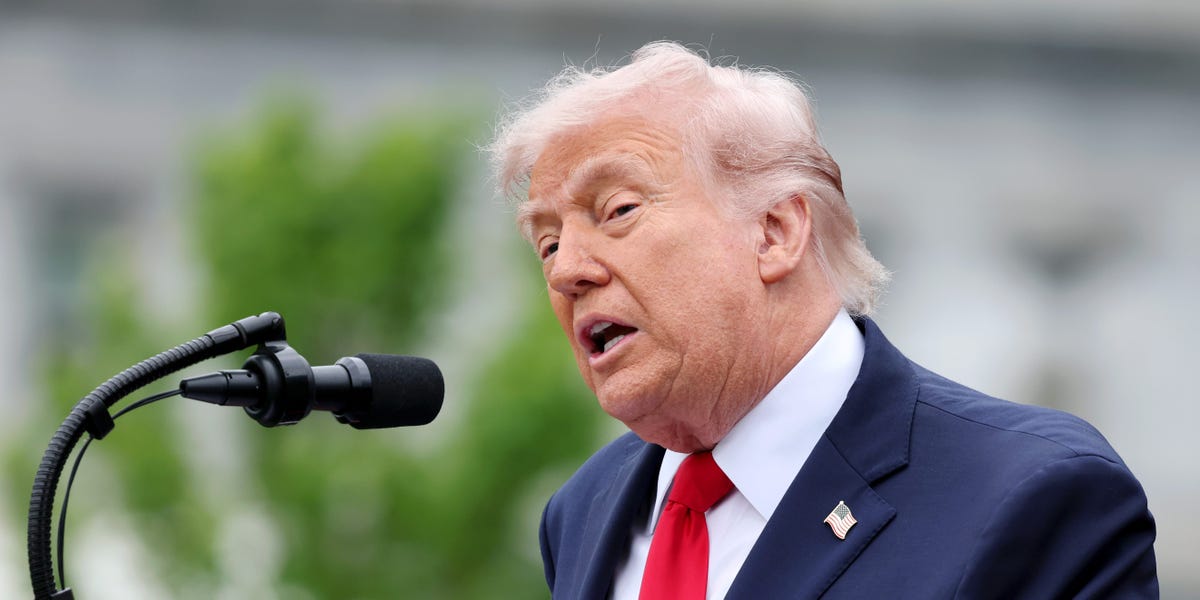
President Donald Trump confirmed he is reviewing a 14-point proposal from Tehran aimed at ending the ongoing conflict between the United States and Iran. The document was delivered through mediators in Pakistan, marking a formal attempt to de-escalate hostilities that have strained regional stability and global energy markets.
The market narrative surrounding this development often leans toward immediate optimism regarding a ceasefire. However, the President’s public skepticism, noting he cannot imagine the terms being acceptable, suggests the proposal may contain conditions that conflict with current US strategic objectives. For traders, the primary risk is not the existence of the plan, but the gap between Tehran’s demands and Washington’s non-negotiables.
If the proposal includes requirements for immediate sanctions relief or the withdrawal of US naval assets from the region, the likelihood of a breakthrough remains low. The market is currently pricing in a prolonged state of geopolitical friction. Any signal that this 14-point plan is being used as a diplomatic stall tactic rather than a genuine concession will likely keep risk premiums elevated in energy and defense sectors.
Geopolitical volatility often creates reflexive moves in oil and safe-haven assets. When diplomatic channels open, the initial reaction is typically a compression of the risk premium. If the review process results in a flat rejection, the market will likely revert to the status quo, effectively erasing any gains made on the news of the proposal's delivery.
Investors should look past the headline of a peace plan and focus on the specific mechanism of the review. The involvement of Pakistan as a mediator suggests a back-channel effort to manage the Strait of Hormuz Attack Complicates Iran-US Peace Proposal risks that have plagued shipping lanes. A rejection of the plan would signal that the current military and economic pressure campaign remains the primary US strategy.
The next decision point for the market will be the official US response following the internal review of the 14-point document. Any follow-up statement from the White House regarding the specific points of contention will serve as the primary catalyst for market repricing. If the administration characterizes the proposal as a non-starter, expect a swift return to defensive positioning in energy-sensitive equities and a potential bid for volatility-linked instruments.
AI-drafted from named sources and checked against AlphaScala publishing rules before release. Direct quotes must match source text, low-information tables are removed, and thinner or higher-risk stories can be held for manual review.