Commodities● Neutral
Strait of Hormuz Blockade Defies Trump Conflict Claims
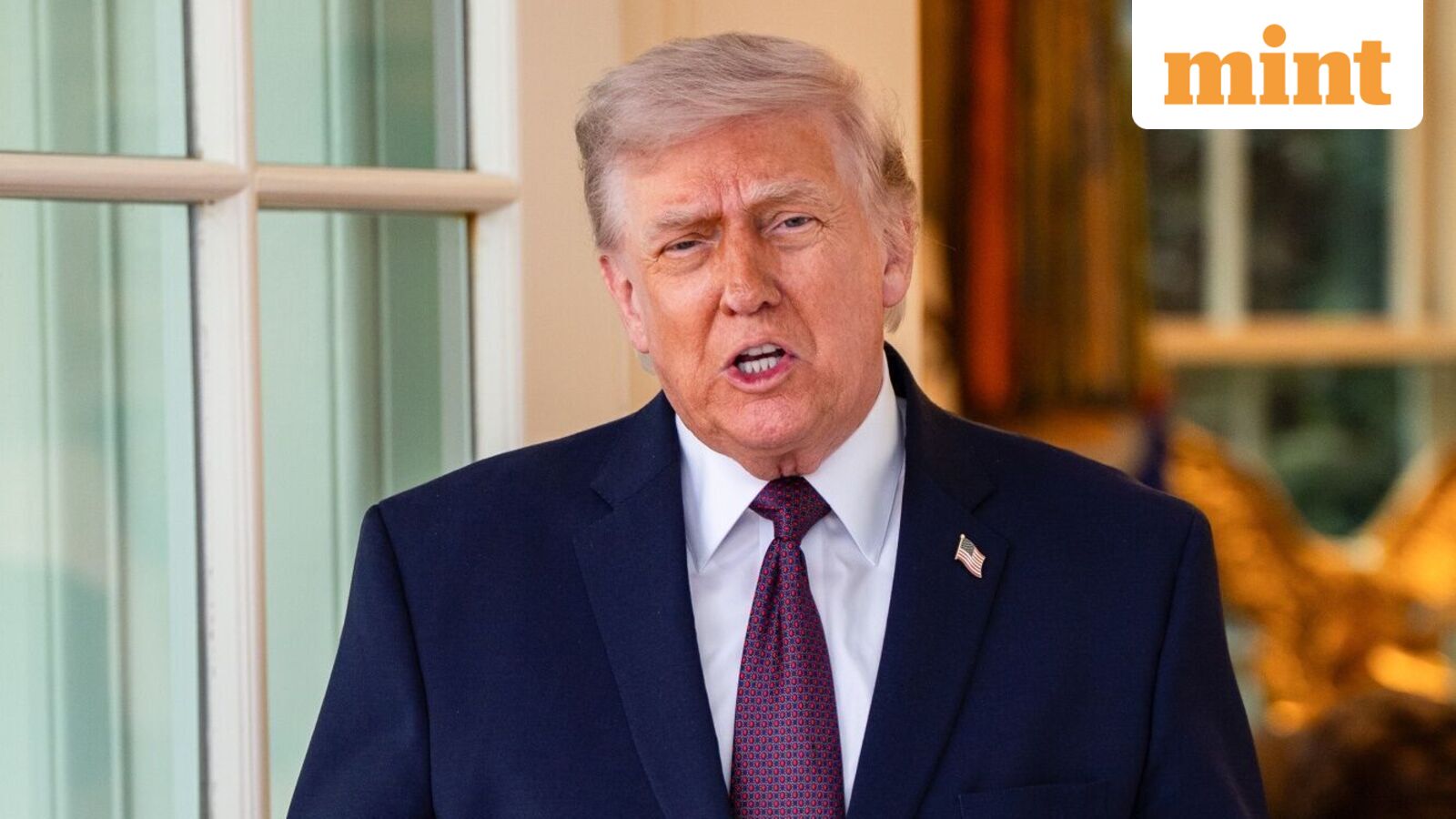
U.S. naval forces continue to restrict Iranian ports as a critical ceasefire nears expiration. Watch for renewed volatility if the blockade persists.
Continue with
The Disconnect Between Rhetoric and Reality
Former President Donald Trump has publicly claimed the conflict with Iran is finished. Yet, the situation on the ground suggests a far more complicated reality. While political messaging focuses on de-escalation, a U.S. naval blockade remains fully enforced across key Iranian maritime hubs. The Strait of Hormuz, a critical artery for global energy, stays closed to standard traffic, stifling regional trade.
Investors tracking the crude oil profile are weighing these conflicting signals. Market participants typically look to supply-side stability to price energy futures, but the current closure of the Strait creates an immediate bottleneck that defies optimistic political declarations.
Current Maritime Constraints
The ongoing blockade has halted operations at several major Iranian ports. These restrictions have disrupted supply chains that typically move millions of barrels of oil daily. Traders should note the following constraints currently impacting the region:
- Strait of Hormuz: Remains closed to commercial shipping, preventing standard tanker transit.
- Naval Blockade: U.S. forces maintain a persistent presence, preventing vessels from entering or exiting designated Iranian ports.
- Ceasefire Status: An existing truce is nearing its expiration date, adding a layer of urgency to diplomatic efforts.