Trump’s Hormuz Blockade Puts China and India in the Crosshairs

President Trump's blockade of the Strait of Hormuz threatens to destabilize energy supplies for China and India, forcing a confrontation between U.S. policy and Asian energy security.
Escalating Tensions in the Strait
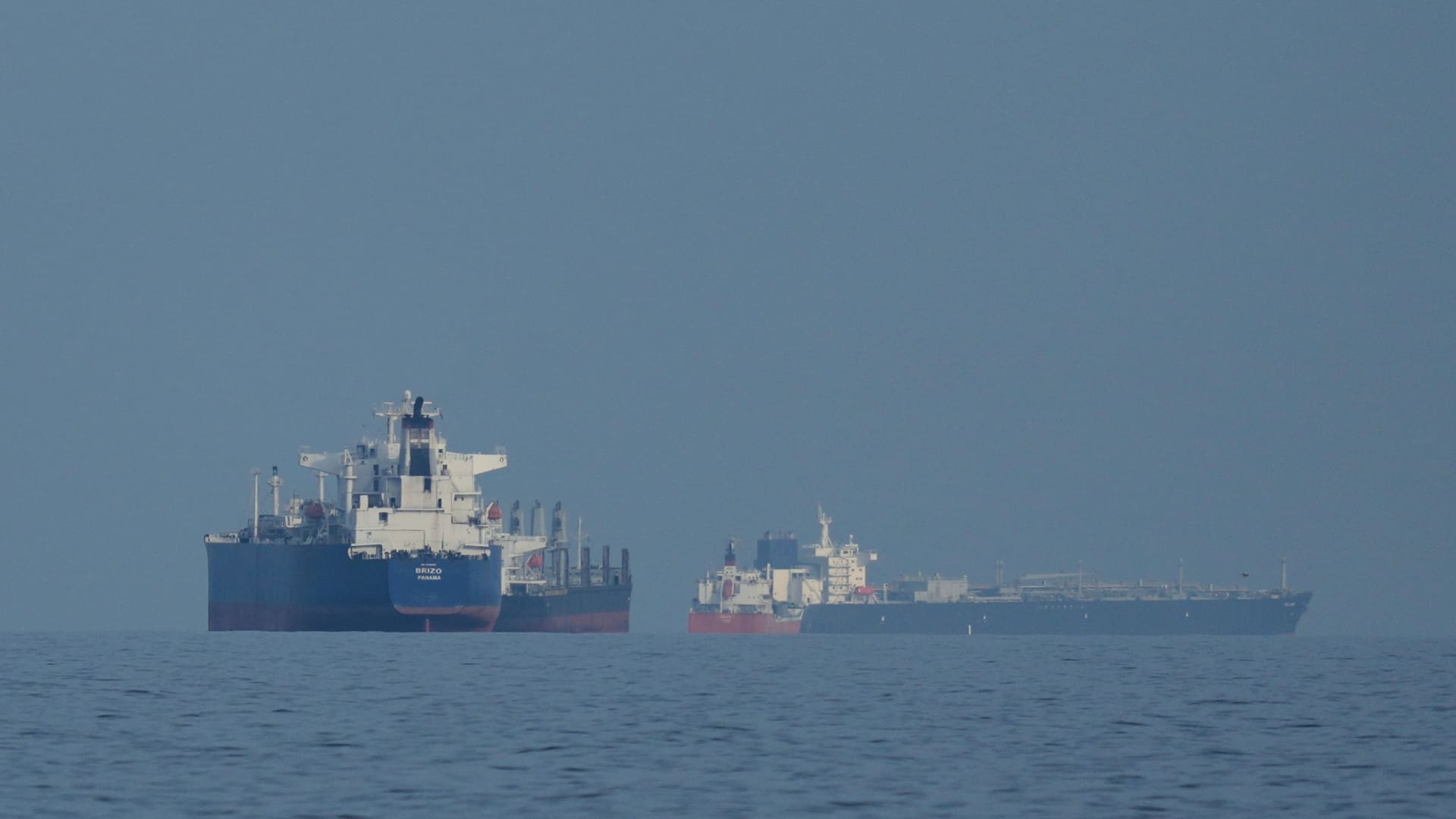
President Donald Trump’s decision to implement a blockade of the Strait of Hormuz is creating severe friction for Washington’s relationships with Asia’s two largest economies. By squeezing Iranian oil exports, the policy forces Beijing and New Delhi into a difficult position regarding their energy security and geopolitical alliances. The Strait serves as a critical maritime artery, and disruptions here carry immediate risks for global energy markets.
The Energy Dependency Dilemma
China and India rely heavily on imported crude to fuel their domestic industrial growth. A blockade effectively cuts off access to a primary source of supply, forcing these nations to either comply with U.S. sanctions or risk direct confrontation with the American naval presence in the region. Traders monitoring the crude oil profile are already pricing in the volatility associated with restricted flows through this narrow waterway.
Impact on Asian Importers
| Country | Energy Dependency Level | Primary Strategic Concern |
|---|---|---|
| China | High | Industrial output stability |
| India | High | Retail fuel inflation |
"The U.S. move creates a direct conflict between energy necessity and geopolitical alignment for Asian powers," noted one regional analyst. "Beijing and New Delhi cannot simply pivot away from Iranian supply without incurring massive economic costs."
Market Implications for Traders
Investors tracking market analysis should prepare for sustained price swings in energy-linked assets. When supply chains tighten in the Middle East, the global market response is rarely measured.
- Higher Brent Crude: Restricted supply via the Strait pushes global benchmark prices upward.
- Increased Shipping Costs: Longer routes and insurance premiums for tankers will weigh on margins.
- Currency Volatility: Emerging market currencies in Asia may face downward pressure as energy import bills swell.
What to Watch Next
Observers should monitor how Beijing and New Delhi manage their diplomatic responses. If China decides to bypass sanctions entirely, Washington may face a choice between escalating the blockade or accepting a loss of policy influence. Meanwhile, India’s historical tendency to prioritize strategic autonomy against Western pressure will be tested in the coming weeks. If these nations choose to disregard the U.S. directive, the potential for secondary sanctions could trigger a broader sell-off in regional equities. Traders should keep a close eye on the gold profile as a potential hedge against the resulting geopolitical instability.