Commodities● Neutral
Strait of Hormuz Oil Flows Persist Despite U.S. Blockade
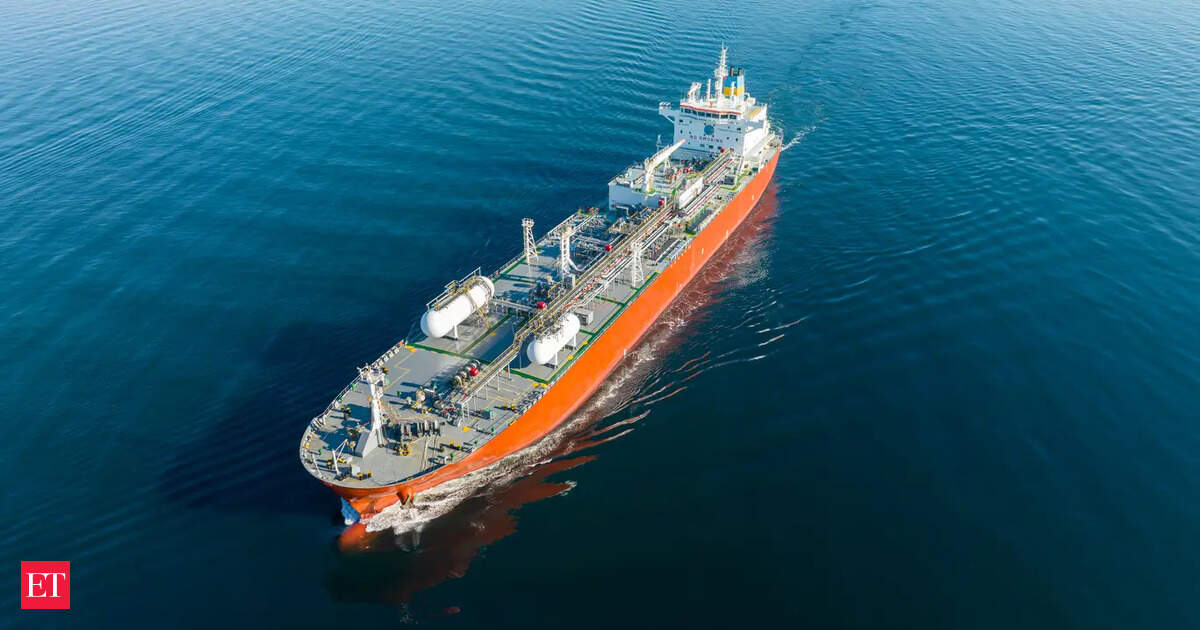
Tankers continue delivering crude to China, India, and Vietnam, keeping energy supply chains functional. Monitor vessel clearance protocols for price shifts.
Continue with
Tanker Traffic Defies Regional Conflict
Oil tankers continue to navigate the Strait of Hormuz, maintaining the movement of crude oil and refined products despite a U.S. blockade and escalating regional tensions. Recent vessel movements confirm that the critical maritime artery remains open to commercial shipping, with ships from various nations successfully completing transits.
Traders monitoring the crude oil profile are observing these developments closely. While geopolitical friction remains high, the physical flow of energy resources is holding steady. Iran has granted clearance for several vessels to pass through the waterway, suggesting that economic necessities are currently outweighing military posturing for some participants.
Destination Markets and Global Reach
Data indicates that tankers are delivering energy supplies to a diverse group of nations. The current list of destinations receiving shipments through the strait includes:
- Vietnam
- Malaysia
- China
- India
- Pakistan
- Thailand
The ability of these tankers to reach their ports suggests that international energy supply chains remain functional, even under the pressure of current diplomatic and military disputes. If you are looking for best commodities brokers to manage exposure to these price fluctuations, liquidity remains a primary concern for market participants.