Commodities● Neutral
Supertanker Breach of Hormuz Blockade Signals Energy Volatility
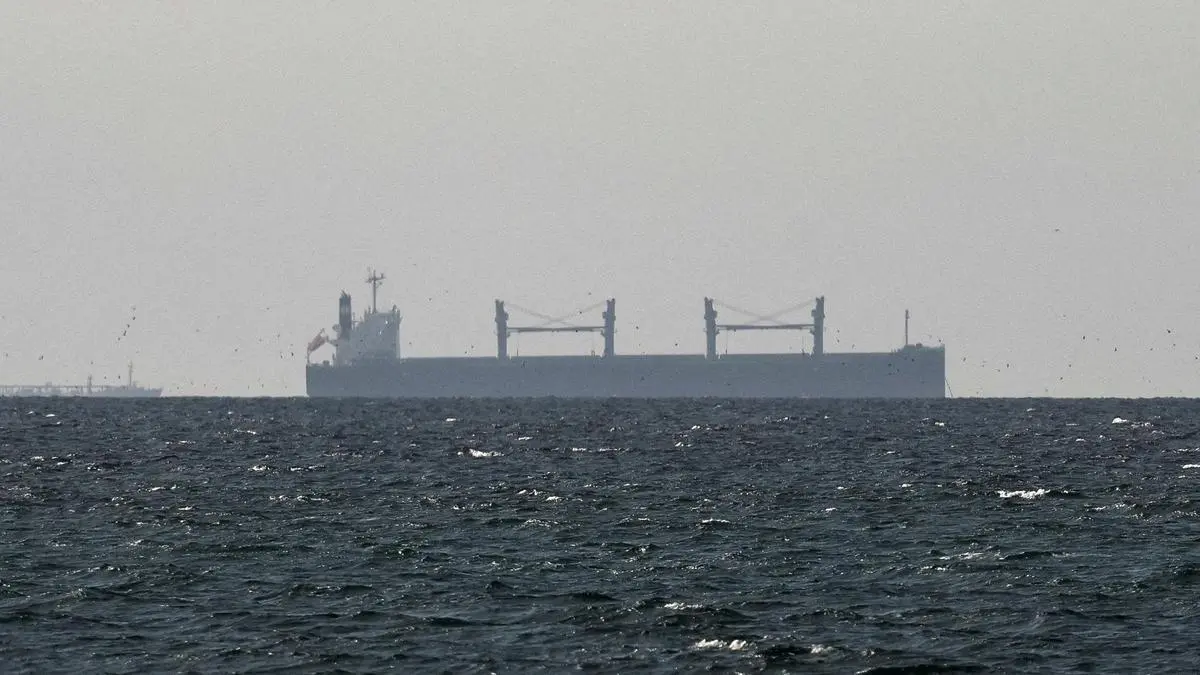
The Agios Fanourios I transit challenges U.S. enforcement in the Persian Gulf. Watch for a potential collapse in the risk premium as supply fears dissipate.
Continue with
A Test of the Strait
The supertanker Agios Fanourios I has successfully crossed the Strait of Hormuz, entering the Persian Gulf while bound for Iraq. This transit represents the first movement of crude oil through the waterway since the United States implemented its current blockade. The vessel’s passage challenges the existing restrictions and creates immediate uncertainty regarding the enforcement of U.S. policy in the region.
Regional Volatility and Market Reaction
Traders remain hyper-focused on the Strait of Hormuz, as it serves as a primary artery for global energy supplies. The ability of a supertanker to bypass the blockade suggests potential fractures in the enforcement strategy. This event follows recent reports of Brent Crude climbing as traders eye imminent US-Iran negotiations, highlighting the sensitivity of energy markets to transit disruptions.