Stocks● Neutral
Trash Bags Over Flock Cameras Test Local Growth Risk
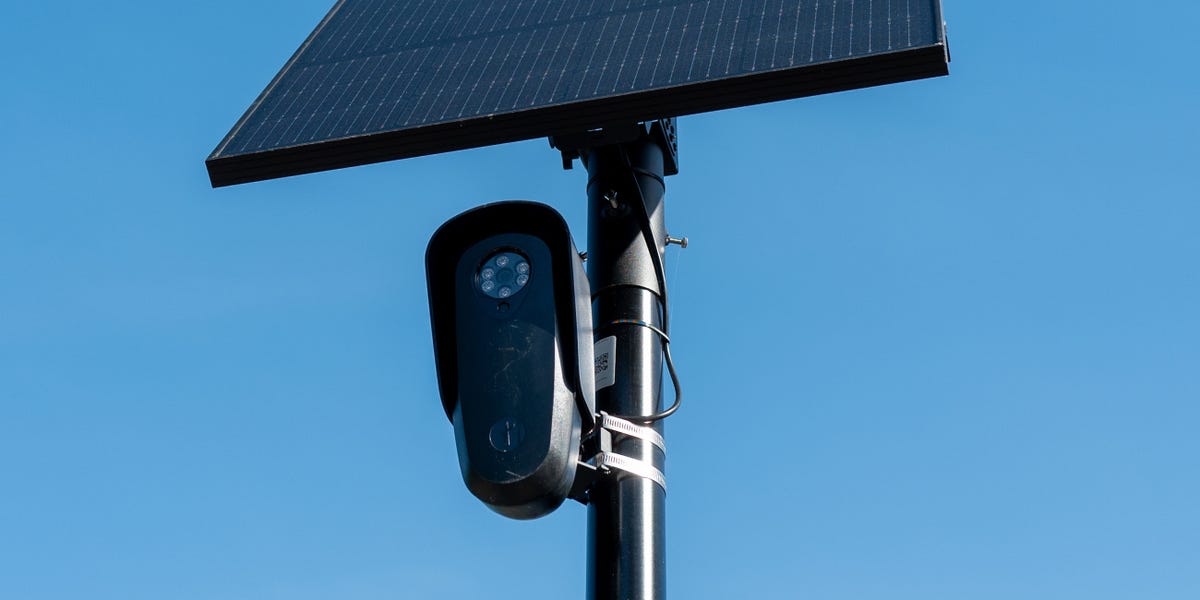
Dayton workers covered Flock Safety cameras with trash bags, halting surveillance. The move tests whether local backlash weakens the network effect that drives the company's valuation.
Continue with
City workers in Dayton, Ohio climbed ladders this week and pulled trash bags over Flock Safety license plate readers that had been installed years earlier. The act was a direct response to resident complaints about mass surveillance. For investors tracking the private security-tech space, the event is more than a local protest. It is a test case for how quickly privacy backlash can translate into operational risk for a company whose revenue depends on municipal contracts.
Dayton’s Trash Bag Pause
The covered cameras were part of a network Flock Safety sold to Dayton police. The company markets its license plate readers as a crime-fighting tool. Residents and some city officials argued the devices collected data on every passing vehicle without clear oversight. The trash bag action forced a pause. Dayton's city manager later said the cameras would remain covered until a new privacy policy is drafted.
Flock Safety has not commented publicly on the Dayton situation. The company is private, backed by venture capital firms including Andreessen Horowitz and Tiger Global. Its valuation has grown rapidly as police departments across the U.S. adopted its hardware. The Dayton episode introduces a new variable: regulatory risk at the local level.
Why Network Effects Add Risk
The naive interpretation is that one city's dispute over a few cameras does not matter for a company with thousands of installations. The better market read is different. Flock Safety's business model relies on network effects – more cameras mean more data, making the product more valuable to each police department. If even a handful of cities begin restricting or removing cameras, the data network weakens. That directly reduces the value proposition for every other customer.