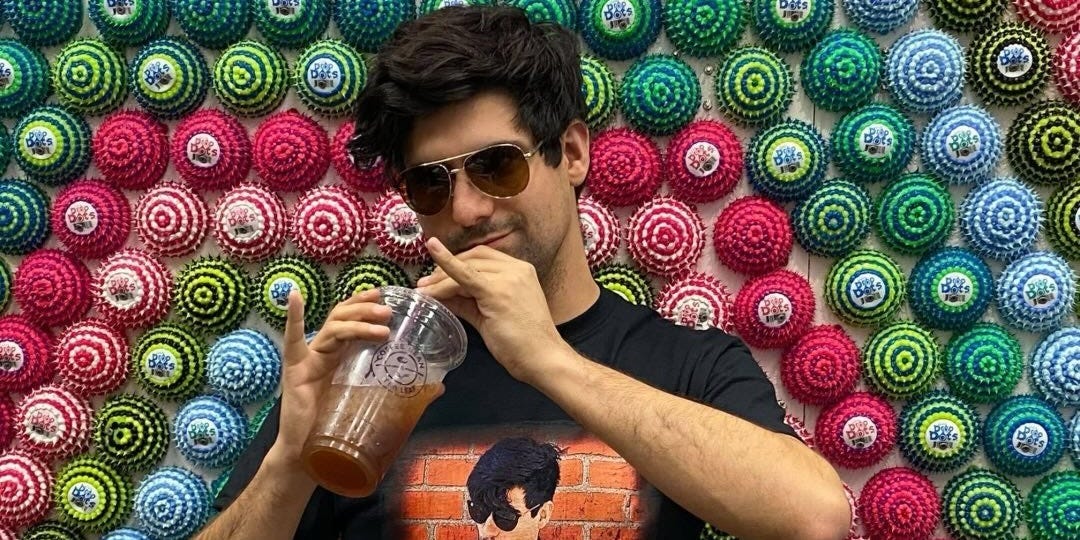
Alex Kessler grew up surrounded by toy prototypes, patent filings, and factory visits. His grandfather started a toy company in the 1950s. His father followed the same path. When it came time to choose a career, Kessler did not walk straight into the family trade.
"I had to find my own way into the industry," Kessler said in a conversation with Business Insider. "It wasn't handed to me."
He spent years outside toys – in finance, operations, and startups. The detour taught him things the family business could not: how to read a balance sheet, manage a supply chain, and pitch products to buyers who did not already know his last name.
When he launched Kess Toys and Entertainment, he brought those skills with him. The company focuses on what Kessler calls "the middle of the market" – toys priced between $20 and $60. Big retailers, he said, are hungry for that range.
"The mass market has been squeezed," Kessler said. "Walmart and Target want products that hit a specific margin. They don't want the $5 junk, and they don't want the $200 statue. They want the $30 toy that a kid will play with for a year."
His father, Brian Kessler, chairman of the board, watched his son struggle with the decision. "I told him, 'You don't have to do this. Find what you love,'" Brian Kessler said. "When he came back to it on his own terms, I knew he was ready."
The hardest part, Alex Kessler said, was distribution. "Anyone can make a toy. Getting it onto a shelf at Target is the real trick." He built relationships one meeting at a time, showing sales data from smaller test runs before asking for a national rollout.
"The industry is full of people who had a great idea and no plan," he said. "I wanted to be the guy with a great idea and a plan."
Kess Toys now has products in more than 1,000 retail locations and is profitable, Kessler said. He declined to share revenue figures.
His grandfather, now in his 90s, still calls with advice. "He tells me the same thing every time," Kessler said. "'Make sure the toy is fun. If it's not fun, nothing else matters.'"
The middle-market squeeze Kessler describes is not confined to toys. Big-box retailers are applying the same margin pressure to consumer electronics, apparel, and home goods. Apple, for example, has long dominated the premium smartphone tier but faces an increasingly difficult path in the mid-range segment. The same dynamic – retailers demanding a specific margin threshold while consumers push back on price – forces manufacturers to balance cost and quality. Kessler's playbook of proving sell-through before scaling offers a template for any company navigating that gap.
The question for consumer-discretionary investors is whether the middle market continues to grow or gets pinched further. Kessler's bet is that the $20-to-$60 zone offers room for both margins and volume. So far, the shelf placement backs him up.