Crypto▲ Bullish
Tokenized US IPOs at Institutional Prices via Kraken
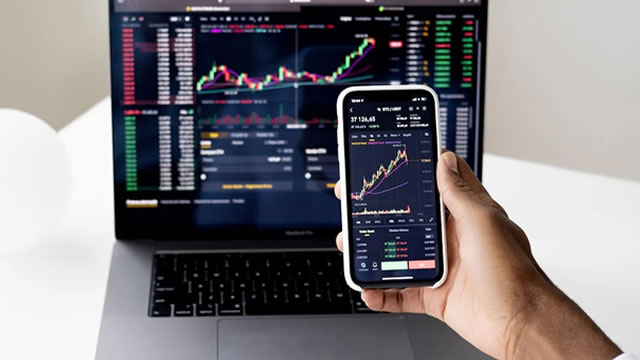
Retail investors can now access U.S. IPO pricing typically reserved for institutions via Kraken's xStocks tokenized shares. The framework's first live offering will determine real liquidity and regulatory reach.
Continue with
Payward Services and Kraken are preparing to offer retail investors worldwide access to tokenized U.S. IPOs at the same offering price that institutional participants receive. Through the xStocks framework, eligible users can express interest before a listing and receive tokenized shares backed 1:1 by the underlying stock.
Payward and Kraken’s xStocks Framework
The core change is price parity. In traditional IPOs, retail investors typically buy on the open market after the first trade, often at a premium over the institutional allocation price. Payward and Kraken intend to let retail investors secure that entry price pre-listing via tokenized representations. The mechanism relies on the xStocks framework, which creates on-chain tokens that represent a legal claim on the underlying equity. The 1:1 backing means each token corresponds to one share held in custody, a structural safeguard against slippage or fractional reserve.
This is not a synthetic derivative. It is a tokenized security that aims to replicate the economic rights of the stock, including potential dividends or voting rights depending on the structure. The source does not specify which U.S. IPOs will be available first. The framework itself is the product. Payward Services, the operator behind Kraken, is building a bridge between traditional capital markets and crypto-native wallets.
The Mechanism Behind Tokenized IPO Access
Tokenized securities have existed in various forms. Linking them directly to the primary IPO allocation process is a structural shift. It gives the crypto market a direct pipeline into equity capital formation rather than secondary trading alone. For retail investors, the value is clear: they bypass the minimum allocation thresholds and lock in the price advantage that funds and institutions receive.
For crypto market analysis, this move blurs the line between traditional finance and decentralized exchange infrastructure. Kraken is already a regulated exchange in multiple jurisdictions. The compliance path may be more defined than for competitors using unregulated tokens. The xStocks framework likely requires Know-Your-Customer checks and jurisdictional filters, which will determine which countries’ residents can participate.