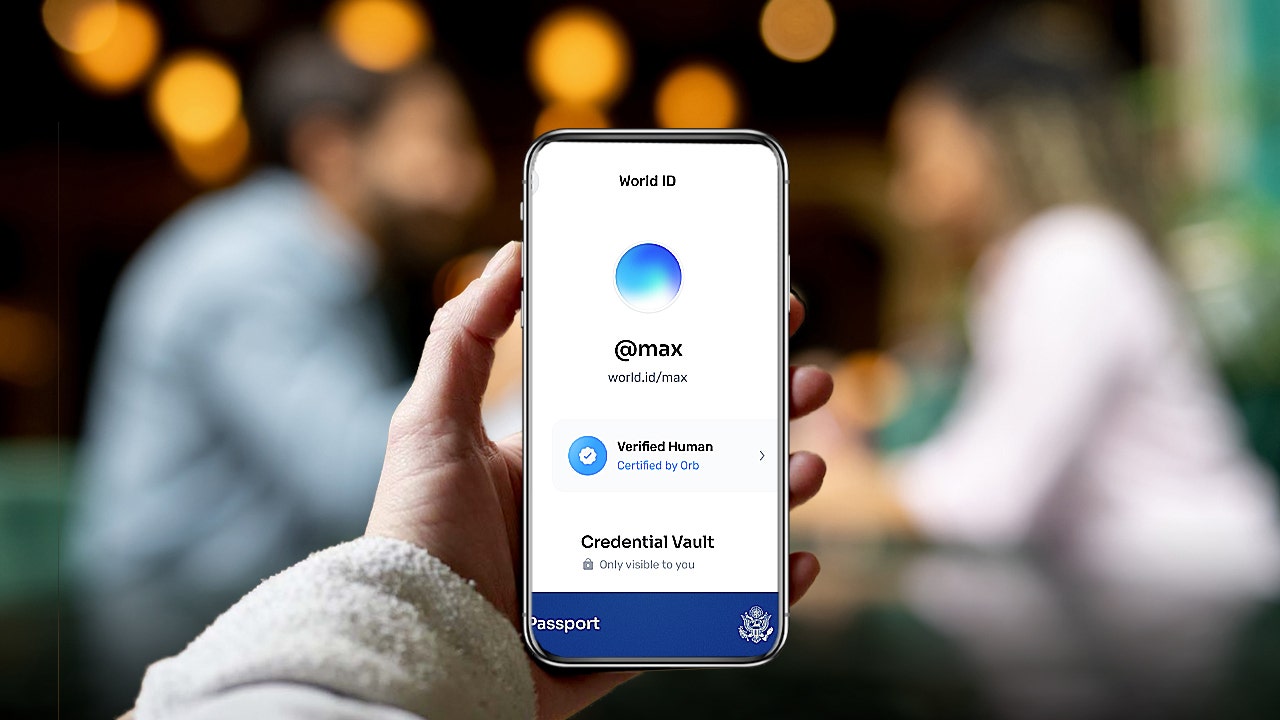
Tinder has initiated a partnership with World, formerly known as Worldcoin, to implement eye-scanning technology as a mechanism for identity verification. This move addresses the proliferation of automated accounts and AI-generated personas that have increasingly compromised the integrity of dating platforms. By utilizing biometric data to confirm human identity, the company aims to mitigate the rising frequency of romance scams and bot-driven interactions that threaten user trust.
Biometric Verification as a Security Layer
The integration of eye-scanning technology represents a shift toward hardware-backed verification in the consumer social sector. While standard identity checks often rely on document uploads or behavioral patterns, biometric scans provide a more granular layer of authentication. This approach is designed to distinguish genuine users from sophisticated AI models that can bypass traditional security filters. The collaboration with World suggests that dating platforms are moving toward a standardized identity protocol to combat the scalability of automated fraud.
For the broader consumer cyclical sector, this development highlights the escalating costs associated with platform security. As AI tools become more accessible, the burden of proof for human interaction is shifting from the user to the underlying infrastructure of the application. Companies like Amer Sports, Inc. (AS stock page) operate within a different segment of the consumer cyclical space, yet the broader trend of digital authentication remains a critical factor for any platform managing high-volume user data. Our internal metrics currently assign AS an Alpha Score of 47/100, reflecting a mixed outlook as the company navigates shifting consumer engagement patterns.
Sectoral Implications for Digital Trust
The move by Tinder forces a re-evaluation of how social platforms manage the trade-off between user privacy and platform safety. Implementing biometric verification requires significant infrastructure and raises questions regarding data storage and user consent. If this verification method becomes the industry standard, it could create a new barrier to entry for smaller platforms that lack the resources to integrate advanced biometric hardware. The reliance on World for this technology also centralizes the authentication process, creating a dependency on third-party identity providers.
This shift in security architecture is part of a larger trend in stock market analysis where technology firms are forced to build defensive moats against AI-driven disruption. The effectiveness of this strategy will depend on user adoption rates and the ability of the system to remain resilient against evolving spoofing techniques. As platforms integrate more complex verification tools, the focus will likely shift toward the long-term maintenance of these systems and the potential for regulatory scrutiny regarding biometric data handling.
The next concrete marker for this initiative will be the rollout schedule and the subsequent impact on user retention metrics. Investors should monitor whether the friction introduced by eye-scanning requirements leads to a decline in new user sign-ups or if the perceived increase in safety acts as a catalyst for improved platform engagement. Future filings will likely detail the operational costs associated with this partnership and whether it effectively reduces the volume of fraudulent activity reported on the platform.