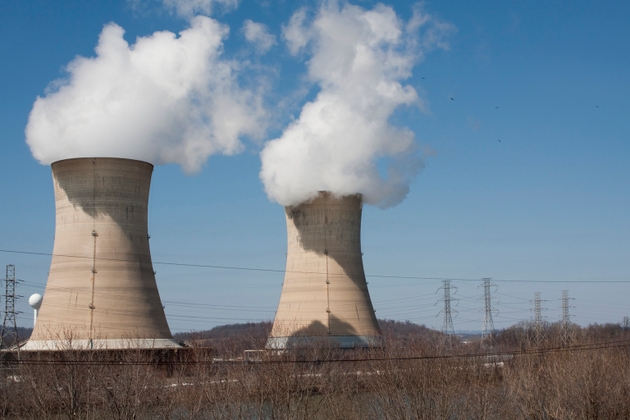
Constellation Energy (CEG) said Monday it expects a U.S. regulatory decision as early as June that will determine when the company can restart the Three Mile Island nuclear plant in Pennsylvania. The statement shrinks a previously open-ended timeline, placing a concrete catalyst in front of shareholders. A favorable ruling from the Nuclear Regulatory Commission would not immediately flip a switch; it would, however, clear a major hurdle for the physical restart–with consequences for power supply, corporate clean-energy contracts, and the stock’s risk profile.
The Restart Approval Window
Unit 1 at Three Mile Island–the reactor not involved in the 1979 partial meltdown–was shut down in 2019 for economic reasons. Constellation Energy has been seeking licensing amendments from the NRC to bring the unit back online, positioning it as a source of carbon-free baseload generation at a time when electricity demand from data centers is surging. The company had previously indicated it expected a decision in 2025, and the latest guidance narrows that to as soon as June. The NRC has not approved a restart of a shut-down commercial reactor in decades, making this a precedent-setting review with implications beyond a single plant.
The decision carries weight for the broader utilities sector, which is navigating a renaissance in nuclear power as demand for 24/7 clean electricity climbs. A green light would be read as a signal that regulators are open to returning idled nuclear capacity to the grid, potentially lifting valuations for other owners of mothballed units.
What an NRC Decision Changes
An approval would authorize Constellation to proceed with fuel loading, system testing, and eventual commercial operation. The sequence is not instantaneous. Industry estimates for restarts of mothballed nuclear units suggest an 18- to 24-month lag between licensing and full grid connection, depending on plant condition and regulatory inspections. Investors treating a favorable decision as an immediate revenue event are compressing a process that still carries execution risk.
The better read: a June decision removes licensing uncertainty and starts the clock on a timeline that could deliver power in 2026 or 2027, shifting the discount rate on future cash flows. Conversely, any condition that stretches the physical restart schedule reduces the present value of the contract tied to the plant, keeping a lid on how much the stock can re-rate on the announcement alone.
AI Demand and the Microsoft Connection
Constellation has a power purchase agreement with Microsoft (MSFT) under which the tech company would buy the plant’s output to power its data centers. That contract ties the restart directly to the AI infrastructure buildout, where timing risk is already a subject of debate. (For a broader view on AI infrastructure timing risk, see the AlphaScala analysis of the IDGT ETF.)
The Microsoft deal, announced in 2024, targets a commercial start date in 2028, so any delay that pushes the restart beyond that window could trigger renegotiation clauses or force Microsoft to source alternative clean power, potentially reducing the contract’s value to Constellation. A timely restart would validate the utility’s role in the AI electricity supply chain and could attract additional hyperscaler contracts, cementing a higher growth trajectory.
What Could Go Wrong
The NRC could deny the license amendment, request additional safety studies, or impose conditions that extend the restart timeline. Local opposition and environmental legal challenges, while not blocking a federal license outright, often introduce delays through court proceedings. Constellation’s own capital spending estimates for the restart could rise if inspection reveals more refurbishment work than anticipated, altering the project’s economics. A denial or lengthy delay would force a reappraisal of the stock’s premium, which has partially priced in a successful restart.
Constellation’s Mixed Signals
AlphaScala’s Alpha Score on CEG stands at 50 out of 100, a mixed reading that reflects the balancing act between the upside from the restart catalyst and the regulatory uncertainty that remains. The stock’s valuation already embeds some optimism; a clean approval could shift sentiment toward execution milestones, while a stumble would weigh heavily on the shares.
For shareholders, the next concrete catalyst is the NRC decision itself, expected as soon as June. Before that, any staff recommendations, hearing schedules, or public comments from commissioners will serve as early signals. The decision is not a finish line but a gate that opens–or closes–a multiyear operational and financial pathway.