Stocks● Neutral
How 1922 Revisited at the 2026 Venice Biennale Shifts Art Value
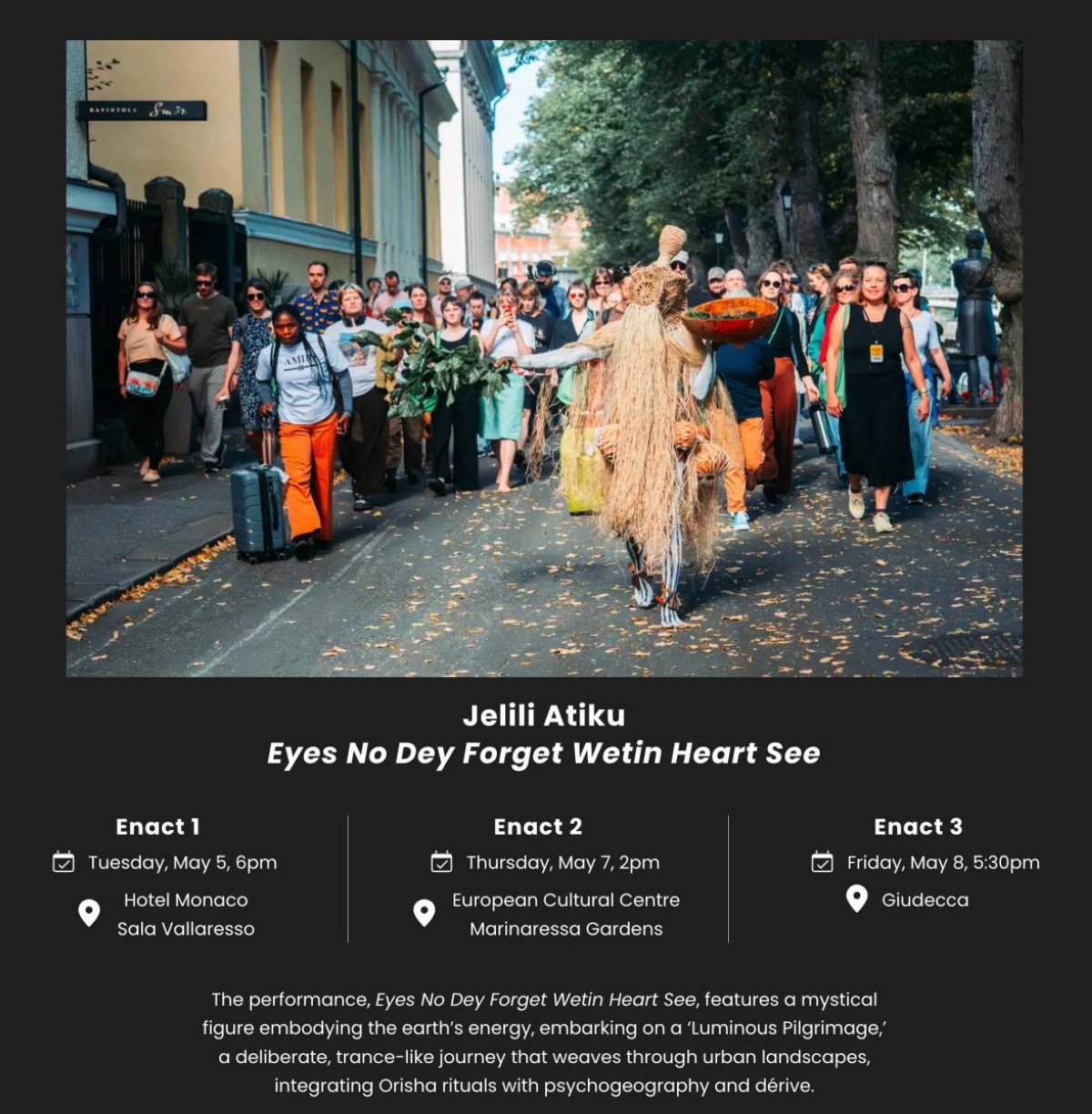
Third Space Art Foundation’s performance series challenges colonial-era provenance, potentially impacting auction hammer prices within 24 to 36 months.
Continue with
Re-evaluating Historical Narratives at the 2026 Venice Biennale
The Third Space Art Foundation will debut its performance program, "1922 Revisited," at the 2026 Venice Biennale. The project serves as a critical re-examination of the original 1922 exhibition of African art, an event that remains a historical touchpoint for the intersection of colonial-era collecting and modern artistic curation.
By focusing on the 1922 timeline, the foundation looks to unpack the institutional frameworks that defined how African art was presented to European audiences nearly a century ago. This performance-based approach moves away from static curation, opting instead for an experiential critique of how these objects were historically framed, categorized, and commodified within the global art market.
Institutional Context and Market Impact
Venice Biennale events often serve as massive valuation catalysts for the artists and institutions involved. While "1922 Revisited" is primarily academic and performative in its scope, the heightened visibility of such programming can drive secondary market interest in the specific categories of art being examined. For collectors and institutional investors, the Biennale acts as a bellwether for cultural shifts that eventually bleed into the fine art asset class.
Art market participants often track these thematic re-evaluations because they dictate future provenance trends and appraisal standards. When foundations like Third Space challenge historical narratives, they force a recalibration of how galleries and auction houses value pieces from that specific era. This shift can impact the liquidity of historical works as provenance becomes increasingly scrutinized under modern ethical frameworks.