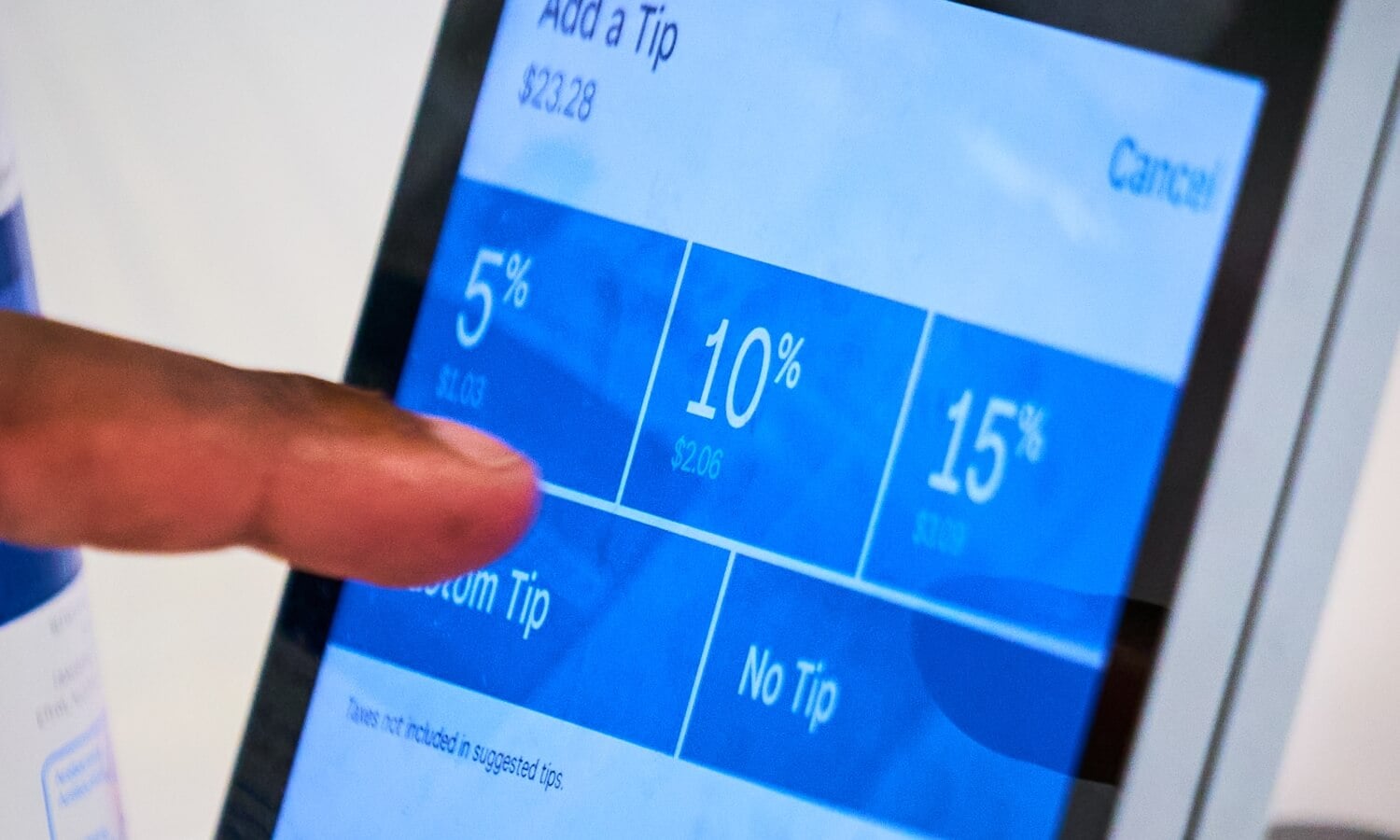
Canadian consumers are increasingly pushing back against aggressive digital tipping prompts as personal budgets tighten. Retailers and service providers are finding that the prevalence of suggested gratuity screens, often ranging from 18% to 30%, is colliding with cooling discretionary spending patterns.
The Psychology of the Digital Prompt
Point-of-sale systems have fundamentally altered the transaction experience by introducing standardized, high-percentage tipping options at the end of every interaction. For the average household, these small, incremental costs represent a significant drag on monthly disposable income. When consumers face these prompts during routine purchases, the result is often a reduction in overall visit frequency rather than a reduction in the tip itself.
Data suggests that the current fatigue is not merely about the math of the tip; it is about the erosion of the perceived value proposition in service-based sectors. Traders monitoring market analysis should note that discretionary spending indices may soon reflect this friction. When the cost of a transaction is perceived to be inflated by social pressure, the velocity of money in the retail sector tends to decelerate.
Strategic Budgeting for Service Costs
To maintain personal financial stability, experts suggest a shift from reactive to proactive tipping strategies. Setting a flat, budget-conscious percentage or a fixed dollar amount independent of the screen's suggested tiers allows consumers to maintain control over their variable expenses. This approach decouples the payment from the automated prompt, removing the psychological weight of the digital interface.
"Tipping should reflect the quality of service rather than a response to a standardized machine prompt," note financial planners looking at household expenditure trends.
Market Impact of Consumer Pushback
Investors should keep a close eye on the retail and hospitality sectors as this sentiment spreads. If consumers continue to feel squeezed by service-related surcharges, we expect to see the following shifts:
- Shift in Foot Traffic: Decreased frequency at mid-range service establishments as consumers opt for lower-friction, self-service alternatives.
- Margin Compression: Businesses forced to absorb wage costs if they reduce their reliance on customer-facing gratuity prompts to keep customers coming back.
- Shift in Payment Preferences: A move toward cash transactions in certain segments to bypass the guilt-driven digital tipping interfaces.
Traders should watch the performance of consumer-facing stocks and services that rely heavily on momentum investing to sustain growth. If retail sales data begins to show a sustained dip in discretionary service spending, it could signal a broader cooling in consumer confidence. Watch the upcoming consumer price index prints for signs that service inflation is beginning to moderate as a direct consequence of this behavioral shift. Managing your own budget in this environment requires a disciplined approach to discretionary outflows; treat gratuities as a line item rather than an afterthought.