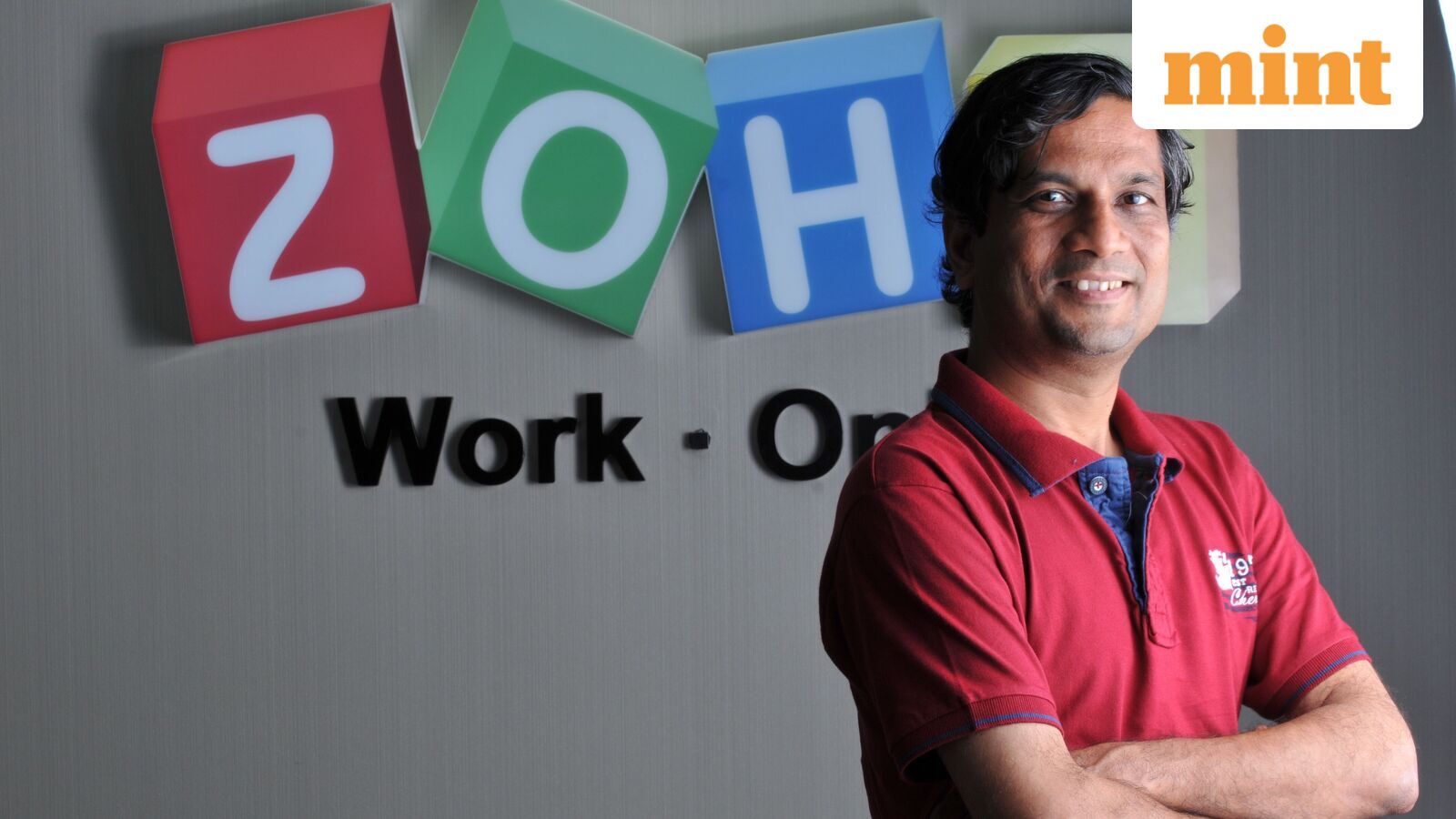
Zoho has emerged as a focal point for the sustainability of the software-as-a-service sector by proving that a global business can scale from outside traditional metropolitan technology hubs. By eschewing venture capital and prioritizing internal talent development within Tamil Nadu, the company has established a structural alternative to the high-burn models that currently dominate the startup landscape. This shift in operational philosophy is gaining traction as broader market conditions force a reevaluation of capital efficiency and long-term profitability.
The Shift Away from Metro-Centric Scaling
Most software startups historically tethered their growth to major urban centers like Bengaluru or Gurugram to secure proximity to venture capital and specialized talent pools. Zoho challenges this dependency by utilizing a distributed workforce model that relies on internal training programs rather than competitive hiring in saturated markets. This approach reduces overhead costs and insulates the company from the volatility inherent in external funding cycles. As capital markets tighten, the ability to maintain growth without the constant infusion of equity becomes a significant competitive advantage.
While the model offers a clear path to operational independence, the replication of this strategy remains limited across the broader technology sector. Many firms are structurally dependent on the network effects and rapid scaling requirements mandated by venture investors. The Zoho model requires a long-term commitment to human capital development that conflicts with the typical exit-oriented timelines of many modern startups. Investors are now beginning to weigh the benefits of this slower, self-funded growth against the potential for rapid market capture seen in venture-backed peers.
AlphaScala Sector Context
Market participants evaluating the technology sector often look for signs of operational resilience in the face of shifting liquidity. Our current data reflects varying levels of stability across the industry. For instance, HUBS stock page holds an Alpha Score of 31, labeling it as Weak, while ON stock page maintains a Mixed label with an Alpha Score of 45. These scores highlight the ongoing difficulty in maintaining consistent performance metrics in a high-interest rate environment. The contrast between these established entities and the decentralized, self-funded model of Zoho underscores a fundamental divide in how companies approach balance sheet management.
The Path to Operational Autonomy
The next concrete marker for this narrative will be the ability of smaller, regional startups to demonstrate sustained revenue growth without relying on subsequent funding rounds. As firms face pressure to prove profitability, the focus will shift toward internal metrics such as customer acquisition cost efficiency and employee retention rates. Companies that can successfully decentralize their operations while maintaining product quality will likely see their valuation models adjusted to reflect lower risk profiles. The transition from growth-at-all-costs to sustainable scaling will remain the primary theme for the next several quarters of stock market analysis.