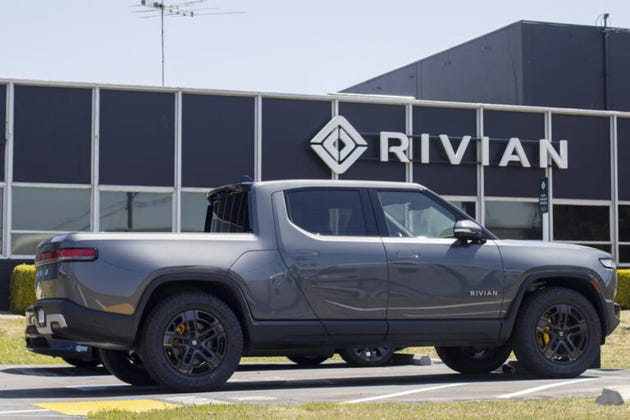
Rivian is positioning its proprietary EV architecture and autonomy software for potential third-party licensing, a move that signals a fundamental shift in the competitive landscape of automotive technology. By exploring an open-platform approach, the company aims to establish its software stack as an industry standard, contrasting sharply with the closed, vertically integrated ecosystem maintained by Tesla. This pivot suggests that the future of the automotive sector may mirror the historical divergence between proprietary mobile operating systems and more accessible, scalable alternatives.
Strategic Shift Toward Software Licensing
The transition toward a licensing model represents a departure from the traditional automotive manufacturing focus. Rivian is attempting to decouple its software capabilities from its physical vehicle production, allowing other manufacturers to integrate its technology into their own fleets. This strategy targets the growing demand for advanced driver-assistance systems and vehicle management software among legacy automakers that lack the internal resources to develop competitive digital platforms from scratch. If successful, this approach could turn the company into a primary software provider for the broader industry, effectively creating an Android-like ecosystem for electric vehicle operations.
Competitive Pressure on Proprietary Ecosystems
Tesla has long maintained its market position through a strictly controlled, proprietary software environment that limits interoperability with other manufacturers. The emergence of a licensing-focused competitor forces a reevaluation of this model. If other automakers adopt a shared software architecture, the barrier to entry for high-end digital features in electric vehicles will lower significantly. This shift threatens to dilute the competitive advantage of companies that rely exclusively on internal software development to differentiate their hardware products. The industry is now facing a choice between maintaining full control over the digital experience or participating in a broader, potentially more profitable software-as-a-service ecosystem.
AlphaScala Market Context
As the industry navigates this transition, investors are monitoring how hardware-heavy companies adapt to software-centric business models. Current market data shows mixed sentiment for major players in the sector. For instance, TSLA currently holds an Alpha Score of 38/100, reflecting the volatility inherent in its current business model. Meanwhile, AAPL maintains an Alpha Score of 61/100, serving as a benchmark for successful integration of hardware and services. The performance of BE also remains a point of interest for those tracking industrial shifts toward new energy solutions.
Future developments will depend on the adoption rate of Rivian's software by external partners. The next concrete marker for this narrative will be the announcement of any formal licensing agreements or technical partnerships with established automotive manufacturers. These deals will determine whether the industry is willing to move toward a unified software architecture or if the market will remain fragmented between proprietary systems.