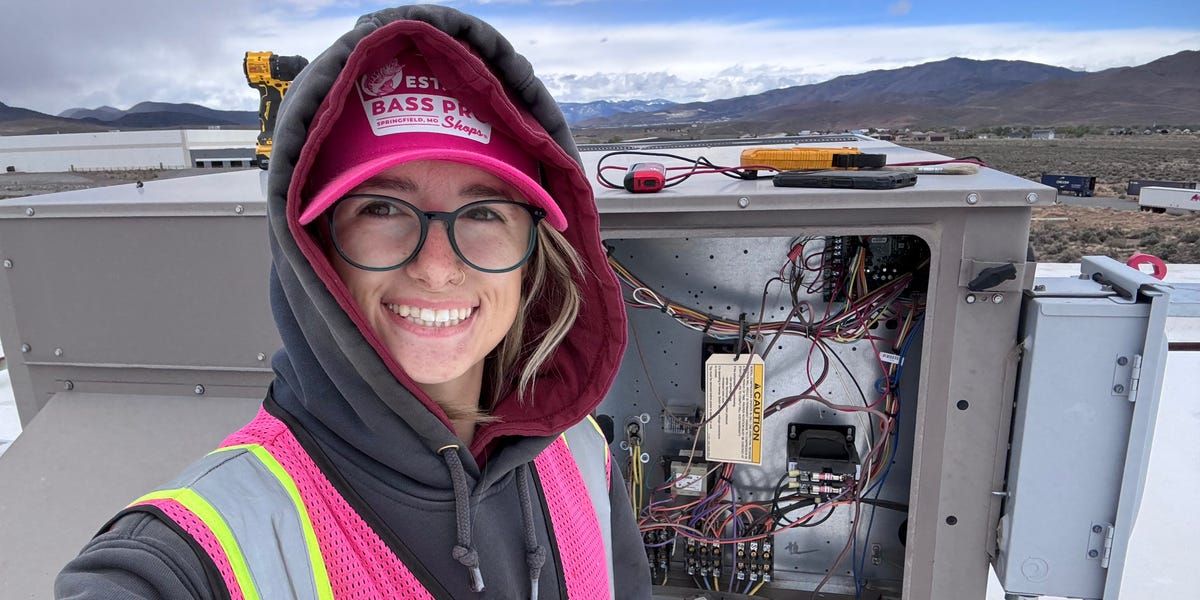
The narrative surrounding career paths is undergoing a structural shift as the promise of white-collar stability faces increasing scrutiny from the rapid integration of automation. Recent accounts from the skilled trades sector highlight a growing preference for roles that require physical intervention and complex problem solving in environments where artificial intelligence remains structurally incapable of operating. This transition is not merely a lifestyle preference but a response to the perceived vulnerability of desk-based roles to algorithmic displacement.
The Resilience of Physical Infrastructure Roles
The demand for specialized labor in sectors like HVAC, electrical, and plumbing is rooted in the necessity of maintaining aging physical infrastructure. Unlike software-based workflows that can be optimized or replaced by large language models, these roles require real-time physical diagnostics and manual dexterity. The shift toward trade schools reflects a broader recognition that technical proficiency in physical systems offers a form of job security that is increasingly rare in the modern labor market. As firms like those discussed in the intersection of aging infrastructure and AI integration continue to scale, the bottleneck is moving from digital capacity to the physical execution of maintenance and installation.
Economic Implications for Industrial and Tech Sectors
This trend creates a divergence in how companies manage their operational costs and human capital. While technology firms like ServiceNow (NOW stock page) focus on automating administrative and operational workflows, industrial entities are facing a tightening labor market for the very workers required to keep their facilities operational. The cost of human labor in the trades is rising, which acts as a structural floor for the operational expenses of companies reliant on physical assets.
AlphaScala data currently reflects varying sentiment across these sectors, with AT&T (T stock page) holding an Alpha Score of 59/100, ServiceNow (NOW stock page) at 51/100, and Bloom Energy (BE stock page) at 46/100. These scores capture the tension between companies leaning into digital automation and those tethered to the physical realities of infrastructure maintenance.
The Path Toward Labor Market Realignment
The next concrete marker for this shift will be the upcoming employment data releases focused on vocational training enrollment and wage growth in the skilled trades. Investors should monitor how industrial firms adjust their capital expenditure to account for higher labor costs in field services. As the divide between AI-integrated office roles and essential physical labor widens, the premium on skilled trade workers will likely influence the long-term cost structures of companies involved in operational integrity and the shift in managerial systems. The sustainability of this trend depends on whether the current wage growth in trades can offset the physical toll and long-term career limitations often associated with manual labor.