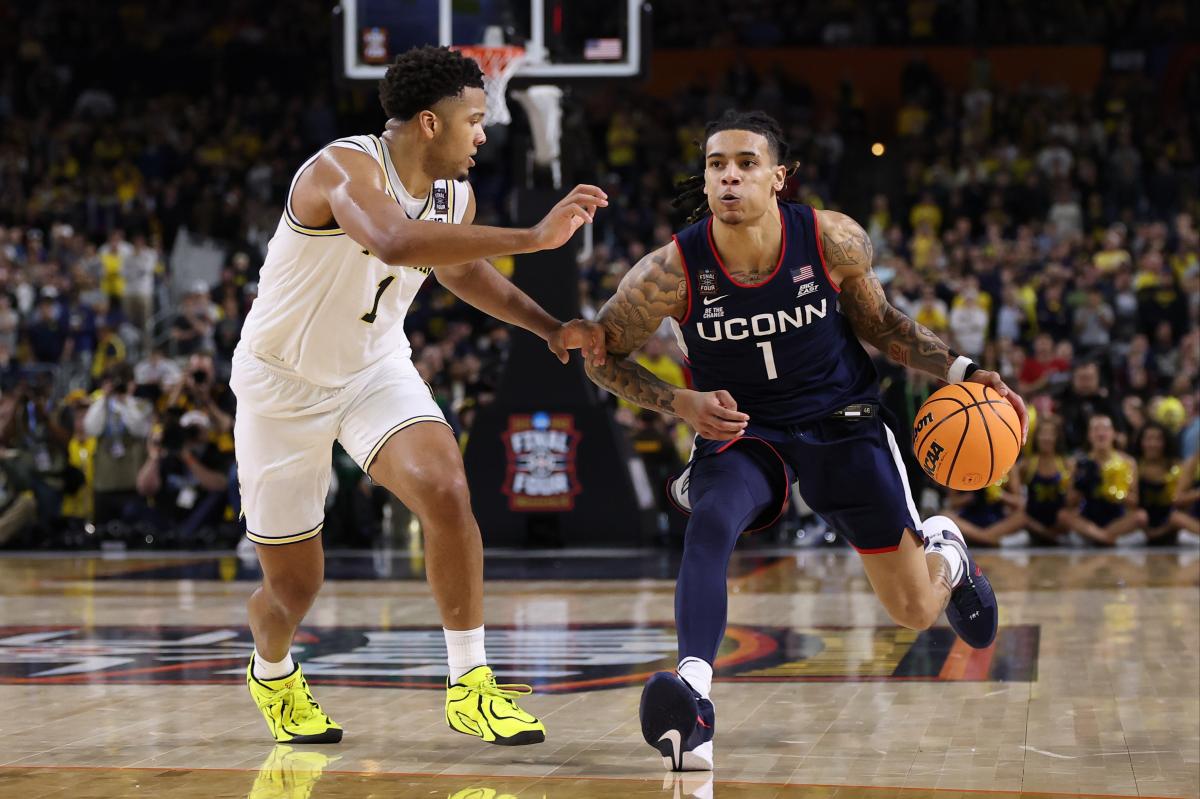
The intersection of Name, Image, and Likeness (NIL) compensation, antitrust litigation, and shifting NCAA oversight has pushed collegiate sports into a period of acute operational instability. Recent developments in California highlight the growing disconnect between traditional athletic governance and the current reality of professionalized student-athlete compensation. This friction is no longer confined to internal university policy; it has become a central concern for the broader business of sports and the legal frameworks governing amateur status.
The Erosion of Regulatory Oversight
The current landscape is defined by a lack of centralized authority. As booster collectives and independent NIL entities gain influence, the NCAA finds its ability to enforce uniform standards severely diminished. This regulatory vacuum creates a fragmented market where compensation models vary wildly between institutions. The resulting chaos complicates long-term financial planning for athletic departments and introduces significant legal risk for universities attempting to navigate federal antitrust scrutiny while maintaining compliance with state-level mandates.
Economic Implications for the Sports Ecosystem
The financial stakes of this transition are substantial. As the line between student-athlete and professional employee continues to blur, the traditional economic model of collegiate sports faces a fundamental stress test. The reliance on booster-led funding mechanisms introduces volatility into athletic budgets, potentially creating disparities that could force a consolidation of power among top-tier programs. This shift mirrors broader trends in the consumer sector where brand equity and individual athlete influence are increasingly decoupled from institutional control.
AlphaScala data currently assigns Amer Sports, Inc. (AS) an Alpha Score of 47/100, reflecting a Mixed sentiment within the consumer cyclical sector. For further insights on how broader market trends impact specific equities, readers can review our latest stock market analysis.
The Path Toward Federal Intervention
The trajectory of these legal and financial challenges suggests that the status quo is unsustainable. Without a cohesive federal framework to address the classification of athletes and the standardization of NIL agreements, the sector remains vulnerable to localized disruptions and prolonged litigation. The current environment is characterized by:
- Increasing reliance on third-party booster collectives to manage athlete compensation.
- Persistent legal challenges regarding the definition of employment for student-athletes.
- A widening gap between institutional revenue growth and the rising costs of athlete retention.
Market participants should monitor upcoming legislative proposals in Washington as the primary indicator for a potential shift in the regulatory environment. The next concrete marker will be the outcome of pending antitrust litigation, which is expected to force a definitive ruling on the limits of NCAA authority. Until such a ruling is finalized, the sector will likely continue to operate under a cloud of uncertainty, impacting the long-term valuation of media rights and institutional partnerships. Investors tracking the broader implications of these shifts may find utility in reviewing the Apple (AAPL) profile to understand how large-cap entities manage exposure to evolving regulatory landscapes.