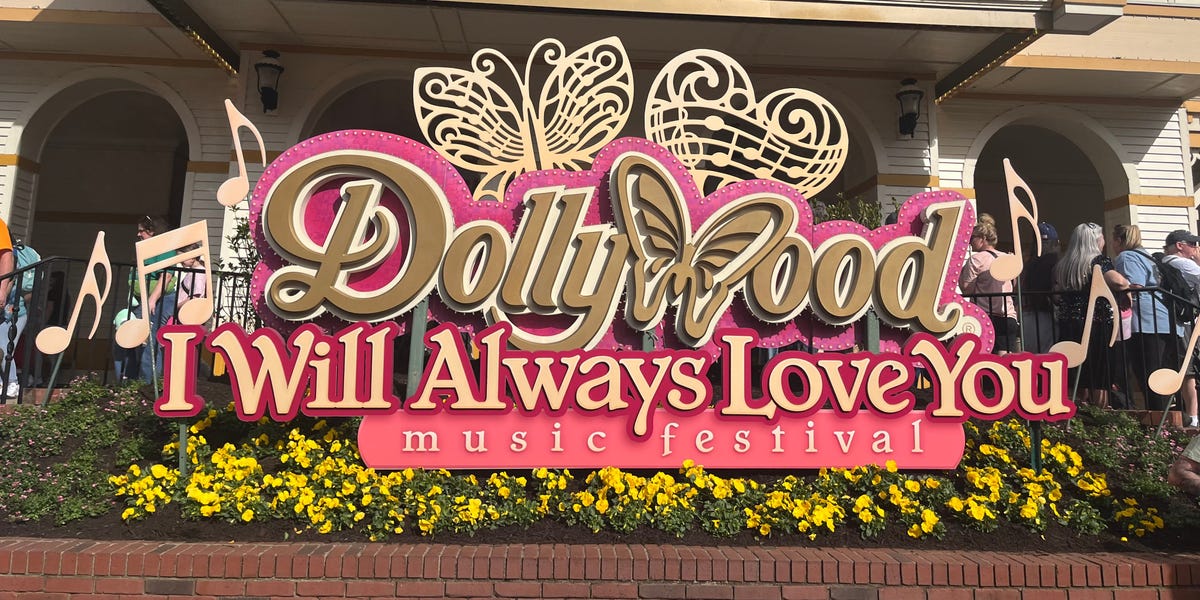
The traditional dominance of large-scale, destination-based theme parks faces a shifting narrative as regional operators demonstrate higher guest satisfaction through localized experiences and operational agility. While industry leaders like The Walt Disney Company have historically relied on massive capital expenditure to drive attendance, the recent performance of regional players suggests that consumer preference is gravitating toward value and thematic authenticity. This shift forces a re-evaluation of how major entertainment conglomerates maintain their moat against smaller, high-engagement competitors.
Operational Efficiency and Guest Experience
Regional parks are increasingly leveraging lower overheads to provide a more focused guest experience. By prioritizing food quality and unique cultural programming over the high-frequency, high-cost infrastructure typical of major destination parks, these operators are capturing a larger share of the domestic leisure market. This strategy reduces the reliance on the expensive, multi-day vacation cycle that defines the business model for larger firms. When guests perceive higher value in regional offerings, the pricing power of major theme park operators becomes constrained, particularly during periods of discretionary spending contraction.
Competitive Read-through for Major Operators
The success of regional theme parks creates a direct challenge for the Communication Services sector, where companies like Disney must justify premium pricing models. If regional parks continue to draw repeat visitors through superior service delivery and lower price points, the pressure on major operators to innovate their own guest experience becomes acute. Investors should monitor how these larger entities adjust their capital allocation strategies to counter the rise of regional competitors. The following factors remain critical for tracking this competitive dynamic:
- The ability of large-scale parks to maintain attendance volumes without aggressive discounting.
- The impact of regional park expansion on the total addressable market for theme park vacations.
- The divergence in operational margins between destination-based and regional-based entertainment assets.
AlphaScala data currently reflects a Mixed sentiment for The Walt Disney Company, with an Alpha Score of 45/100, as detailed on the DIS stock page. This score highlights the ongoing struggle to balance legacy infrastructure costs with the need for modern, consumer-centric improvements. As the broader stock market analysis continues to favor companies with high operational efficiency, the ability of major theme park operators to pivot their business model will be a primary indicator of long-term sector health.
Future performance will depend on the upcoming quarterly earnings reports, specifically regarding domestic park attendance figures and per-capita spending metrics. Any sign of sustained market share loss to regional alternatives will likely force a strategic pivot in how these companies market their premium offerings to cost-conscious consumers. The next marker for this trend will be the release of seasonal attendance data, which will clarify whether the shift toward regional parks is a structural change in consumer behavior or a temporary response to current economic conditions.