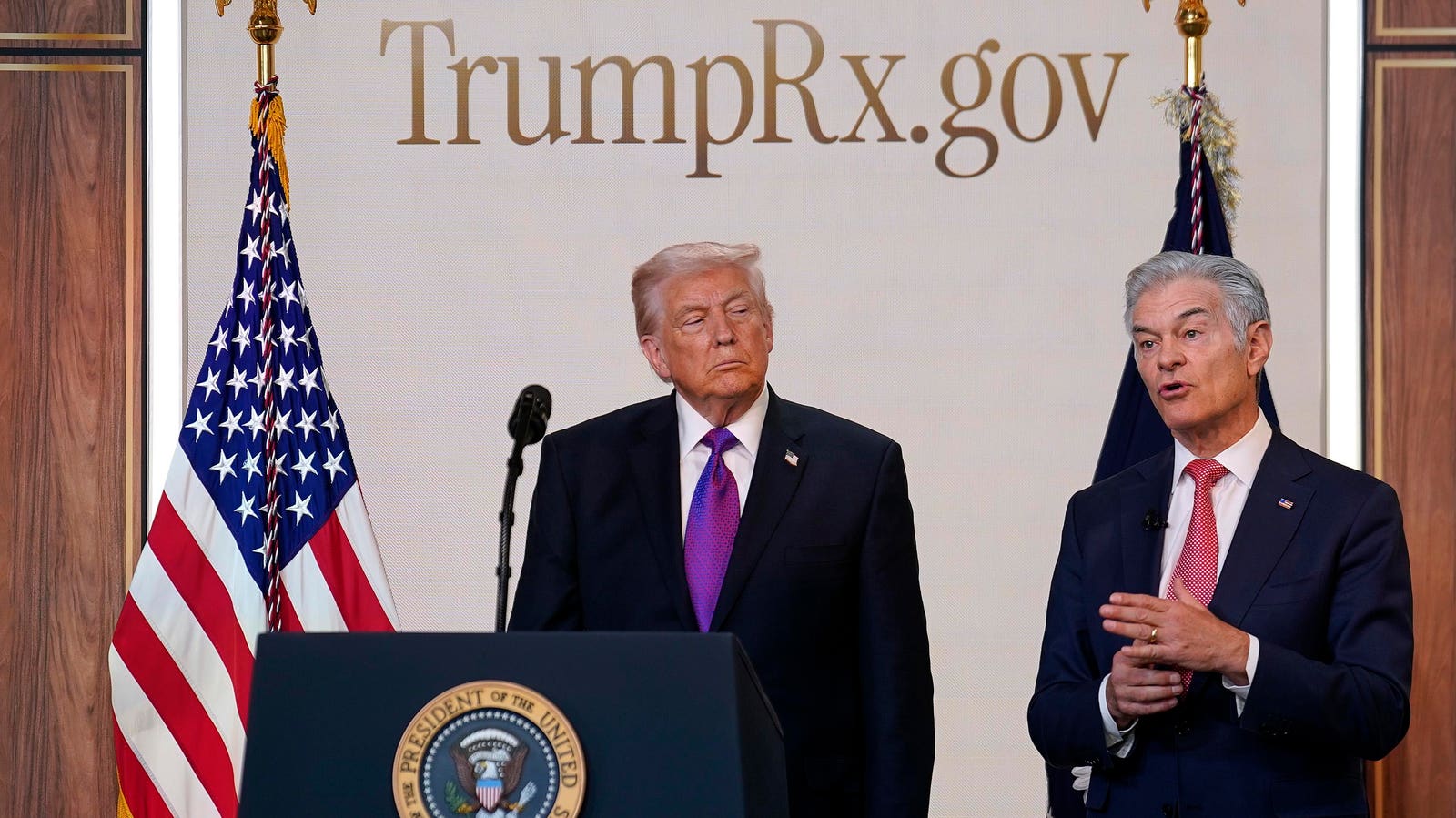
The landscape of pharmaceutical pricing has shifted following the announcement that TrumpRx has secured agreements covering 86% of the branded drug market. This broad participation suggests a significant consolidation of procurement leverage, yet the immediate impact on consumer-facing costs remains a point of contention. While the scale of these deals is unprecedented in recent administrative history, the mechanism of price reduction often relies on complex rebate structures rather than immediate reductions at the pharmacy counter.
Market Consolidation and Procurement Leverage
The primary narrative surrounding these agreements centers on the ability of a centralized entity to negotiate terms that were previously fragmented across various private and public payers. By capturing 86% of the branded market, the initiative effectively creates a new baseline for how drug manufacturers engage with large-scale distribution networks. This shift forces a re-evaluation of how pharmaceutical companies manage their gross-to-net pricing strategies. If manufacturers are forced to concede significant margin to maintain access to this massive network, the pressure on their long-term revenue models will intensify.
However, the structural reality of these deals often prioritizes volume-based discounts over the lowering of list prices. For the average patient, the difference between a lower list price and a higher rebate-adjusted price is substantial. Rebates frequently flow back to intermediaries rather than directly reducing the out-of-pocket expense for the individual consumer. Consequently, the headline success of securing these agreements does not automatically translate into a lower cost of care for the end user.
The Disconnect Between Agreements and Consumer Costs
Determining whether prices are actually falling requires a granular look at the specific therapeutic classes included in these deals. Many of the agreements cover high-cost specialty drugs where the pricing power remains firmly with the manufacturer due to limited competition. In these instances, the agreements may serve to stabilize costs rather than reduce them. The following factors contribute to the current ambiguity regarding price trends:
- The reliance on rebate-based savings that often fail to reach the patient at the point of sale.
- The exclusion of certain high-growth categories from the most aggressive pricing tiers.
- The potential for manufacturers to raise list prices on non-covered products to offset concessions made elsewhere.
Investors should monitor the upcoming quarterly disclosures from major pharmaceutical firms to see how these agreements impact operating margins. While the sector remains a focus for stock market analysis, the divergence between administrative success and actual price deflation is a critical variable. Companies that can maintain pricing power despite these new agreements will likely outperform their peers in the coming fiscal periods.
AlphaScala currently tracks various sectors for volatility, including technology firms like ON Semiconductor Corporation, which carries an Alpha Score of 45/100 and a Mixed label. While pharmaceutical pricing is distinct from semiconductor cycles, the broader theme of margin compression remains a shared concern across capital-intensive industries. The next concrete marker for this narrative will be the release of CMS data detailing actual net price changes across the covered drug classes, which will provide the first empirical evidence of whether these agreements have moved the needle on affordability.