The Quiet Shift to Premium Children's Activewear
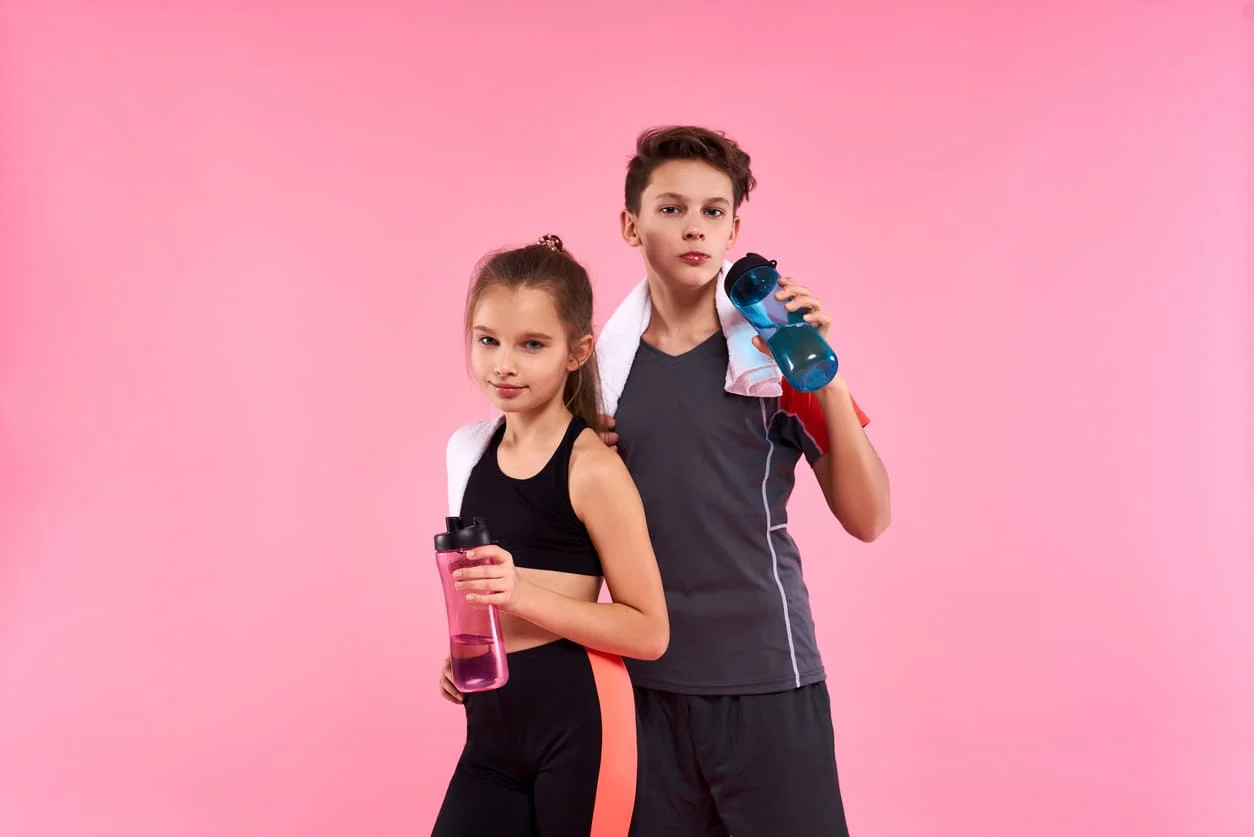
Parents are moving from volume to quality in children's activewear, driven by comfort and durability. The shift is functional, not aesthetic. moodytiger's fabric-first design captures the trend. Bluesign partner status adds a credible sustainability layer.
Parents are buying fewer children's activewear pieces but choosing them more carefully. The shift is subtle, not binary. It shows up in the drawer: a top that survives PE, laundry, and weekend wear without complaints. A pair of leggings that still feels dependable after a month of washing. These are small observations. They accumulate into different purchasing habits.
Children's clothing has long been bought with replacement in mind. Kids grow fast, clothes wear out, and many families default to volume and price. That is changing for a specific group of parents. They are the same ones who have upgraded their own wardrobes from synthetic blends to technical fabrics. Once you know what moisture management feels like in a running shirt, you can tell immediately when a child's t-shirt is not doing the same job. The experience transfers.
moodytiger is a case study in how this shift plays out. The brand designs children's activewear around movement patterns, not scaled-down adult silhouettes. It names its fabric lines with specific functional briefs: Brizi for cooling, Blockmax Lite for UPF-rated coverage, Air Supply for airflow and quick dry. The parent who puts a child in one of these pieces for a full active day notices the difference in practical terms. The child seems more comfortable. The shirt feels less damp after activity. The garment still looks and feels right after a wash cycle.
Design is the other half of the equation. Children's clothing that works only in sport contexts has a limited wardrobe role. Clothing that mimics adult activewear tends to look like a costume on a child. The moodytiger Lisa Sport Jacket is a useful example. The jacquard construction, princess waistline, and thumb-hole cuffs are functional without reading as sporty. It works for active routines and still looks appropriate away from the field. That kind of versatility earns a place in a daily rotation.
The clearest signal that a piece is working is not a review or a recommendation. It is the child returning to the same garment without prompting. That quiet repeat is a practical quality signal. It reflects the child's direct experience of comfort, not an adult's assessment of how it should perform.
Parents who find pieces that produce this response often describe the discovery in similar terms. The piece moves through school days, weekend plans, and laundry without becoming a source of complaints. It does not quickly lose shape or take on the stiff texture that makes a child reject it. Over time, the purchasing logic shifts. The parent stops looking for the most pieces at the lowest price. They start looking for pieces that make daily dressing easier.
Sustainability follows the same path. A parent who asks whether a fabric manages heat will eventually ask what went into making it. moodytiger's bluesign system partner status gives a specific reference point. It points to a framework for managing materials and production choices earlier in the textile process, without turning that framework into a durability guarantee. For parents starting to ask more specific questions, that kind of information is more useful than broad language about sustainability.
The parent who has moved toward more considered children's activewear purchases has not necessarily changed their overall budget. They have changed how they allocate it. Fewer pieces, chosen more carefully, worn more often, replaced only when needed. The drawer that used to hold too many half-useful items now holds fewer pieces that work more often. The morning routine becomes simpler because the best pieces are easier to identify.
This is not a complicated shift. It comes from enough frustrating experiences with clothing that did not work as hoped, followed by enough positive experiences with pieces that did. A parent who finds garments that stay useful through regular wear and washing, and may still be in good enough condition to pass along when outgrown, has a quieter and more deliberate way to shop. That is the real story behind the premium children's activewear moment.
Drafted by a large language model from the source reporting linked above, then screened by automated publishing checks. It is not read by a journalist before publication. Some articles cite our Alpha Score. Verify prices and figures against the original source. Educational coverage, not personalized advice.