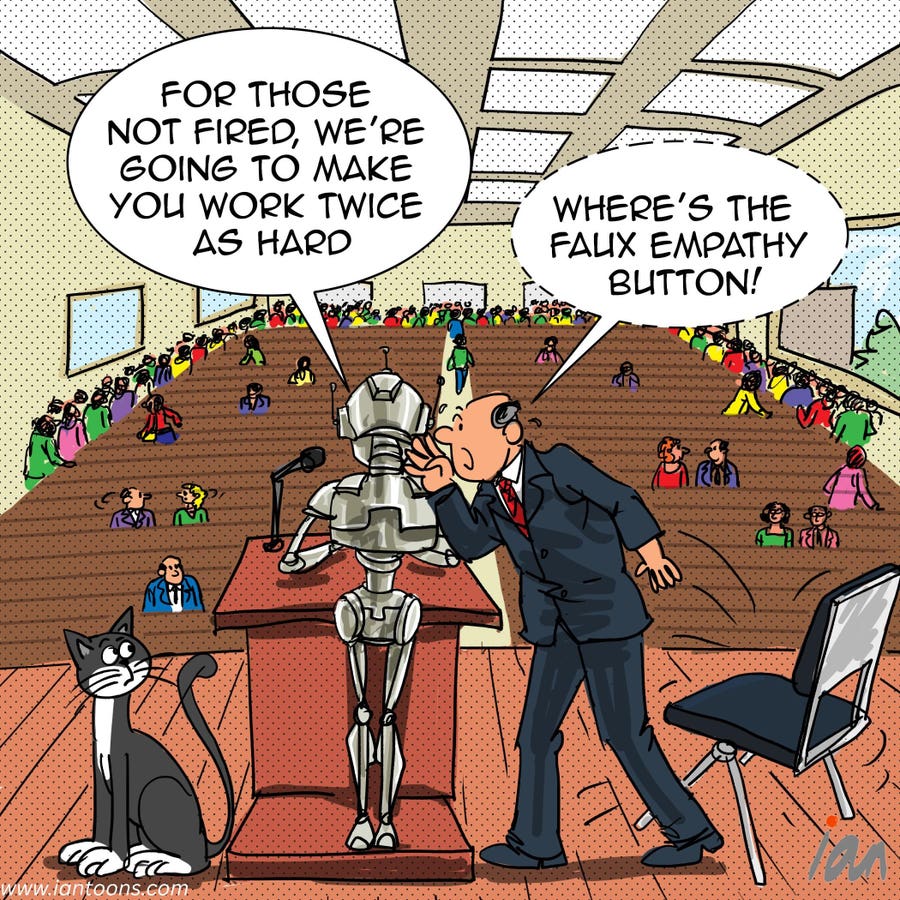
New research from Stanford University indicates that virtual reality training can successfully improve the delivery of empathetic communication, even when the underlying emotional state of the participant remains unchanged. This finding challenges the assumption that genuine internal resonance is a prerequisite for effective interpersonal management. If corporate environments prioritize the outward manifestation of empathy to facilitate smoother operations, the distinction between authentic feeling and a learned performance begins to blur.
The Mechanics of Simulated Empathy
The study suggests that structured VR environments allow individuals to practice specific verbal and non-verbal cues associated with empathetic engagement. By isolating these behaviors, participants can refine their communication style to meet professional standards without requiring a shift in their personal disposition. This creates a functional framework where empathy acts as a tool rather than a character trait. For organizations, this implies that training programs can standardize the quality of interactions across a workforce, regardless of the individual employee's natural inclination toward emotional intelligence.
This shift toward performative empathy raises questions about the long-term sustainability of corporate culture. If communication is optimized through simulation, the risk of employee burnout or detachment may increase as the gap between professional behavior and personal reality widens. Organizations must now determine whether the objective is to foster a culture of genuine connection or to ensure that all client and peer interactions adhere to a specific, high-functioning script.
Market Implications for Human Capital Management
The adoption of such training technologies signals a broader trend in human capital management where soft skills are treated as technical competencies. Companies that invest in these platforms are essentially automating the behavioral expectations of their staff. This approach provides a measurable way to track improvements in service delivery and internal communication, which can be quantified in ways that traditional soft-skill training could not.
AlphaScala data currently reflects a cautious outlook on firms heavily exposed to shifting labor dynamics and corporate training infrastructure. For instance, Bloom Energy Corp (BE stock page) holds an Alpha Score of 46/100, while Southern Company (SO stock page) and Amer Sports, Inc. (AS stock page) sit at 44/100 and 47/100 respectively. These mixed scores suggest that while operational efficiency remains a priority, the market is still weighing the long-term value of these behavioral investments against traditional capital expenditure.
As businesses integrate these tools, the next concrete marker will be the correlation between VR-trained communication protocols and tangible retention metrics. If the performance of empathy proves sufficient to maintain client satisfaction and team cohesion, the demand for such training will likely accelerate. Conversely, if the lack of genuine emotional alignment leads to a decline in employee engagement or trust, firms may be forced to re-evaluate their reliance on simulated interactions. The ultimate test remains whether stakeholders can distinguish between a well-executed performance and a truly empathetic culture.