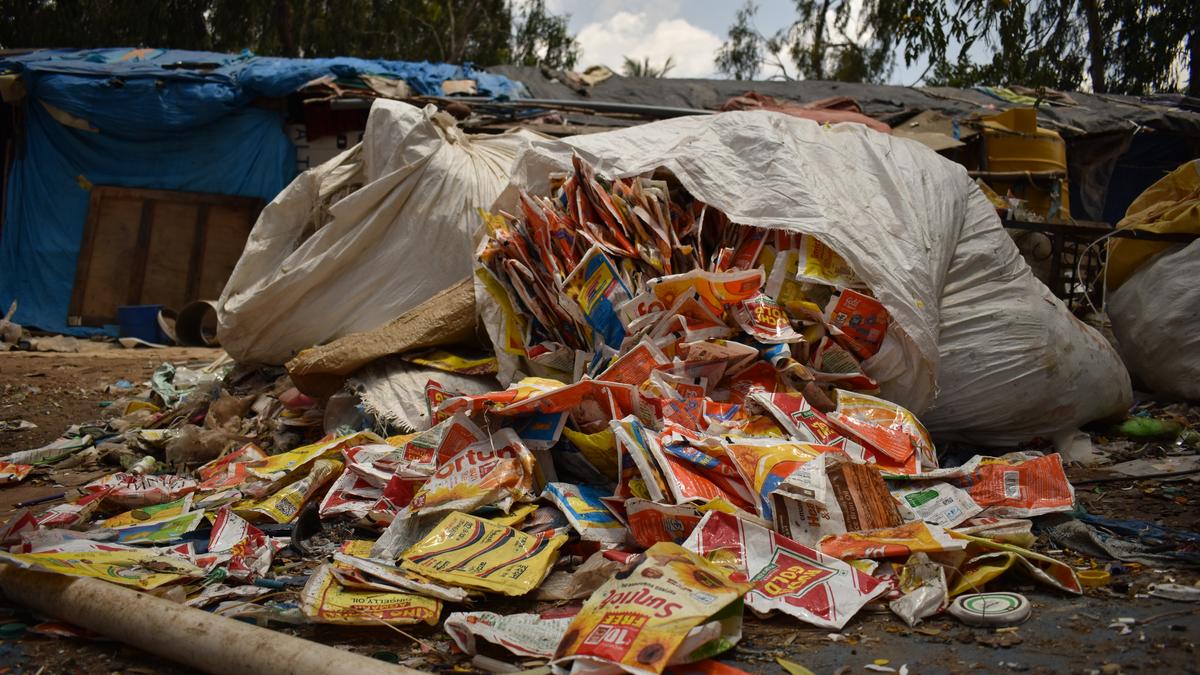
The narrative surrounding India’s plastic packaging sector has shifted from a story of unchecked industrial expansion to one of mounting environmental and regulatory friction. For decades, the adoption of transparent plastic films and laminates served as a primary driver for consumer goods companies, allowing for shelf-stable distribution and the rapid scaling of retail brands. This reliance on low-cost, high-durability packaging has now reached a critical inflection point as waste management infrastructure struggles to keep pace with the sheer volume of material entering the ecosystem.
The Shift in Consumer Goods Economics
The economic utility of plastic packaging remains tied to the efficiency of the supply chain. By enabling smaller, unit-sized packaging, manufacturers have successfully penetrated rural and lower-income markets, turning once-niche products into household staples. This model relies on the low cost of production and the logistical ease of transporting lightweight materials. However, the external costs associated with post-consumer waste are increasingly being internalized by the producers themselves. As environmental policies tighten, the cost-benefit analysis of traditional plastic packaging is undergoing a fundamental reassessment.
Regulatory Pressure and Operational Realignment
Regulatory bodies are moving toward stricter Extended Producer Responsibility frameworks, which mandate that companies take financial and operational accountability for the entire lifecycle of their packaging. This transition forces firms to reconsider their material sourcing and investment in circular economy initiatives. The current landscape is defined by several key pressures:
- Mandatory collection and recycling targets for plastic waste.
- Increased taxation on single-use materials.
- Growing consumer demand for sustainable or biodegradable alternatives.
- Higher compliance costs for tracking and reporting waste footprints.
These factors create a significant hurdle for companies that have built their margins on the ubiquity of cheap, non-recyclable plastics. The shift is not merely a matter of public relations but a structural change in how consumer staples firms manage their inventory and distribution costs. Companies that fail to pivot toward modular or recyclable packaging designs face the dual risk of regulatory penalties and potential brand erosion as consumer preferences evolve.
AlphaScala Market Context
In the broader consumer staples space, firms like COST continue to navigate the balance between operational efficiency and environmental stewardship. While the Indian packaging crisis is localized, it serves as a bellwether for global supply chain adjustments. AlphaScala currently tracks COST with an Alpha Score of 58/100, reflecting a moderate outlook as the company manages its own global packaging footprint. Similarly, firms in the healthcare and industrial sectors, such as those monitored on our A stock page, are increasingly scrutinized for the materials used in their product delivery systems.
Investors should monitor the upcoming quarterly filings of major consumer goods manufacturers for explicit disclosures on packaging-related capital expenditures. The next concrete marker will be the enforcement of new waste-processing quotas, which will likely reveal which companies have successfully transitioned to sustainable materials and which remain exposed to rising regulatory costs. This transition will dictate the long-term viability of the current retail distribution model in emerging markets.