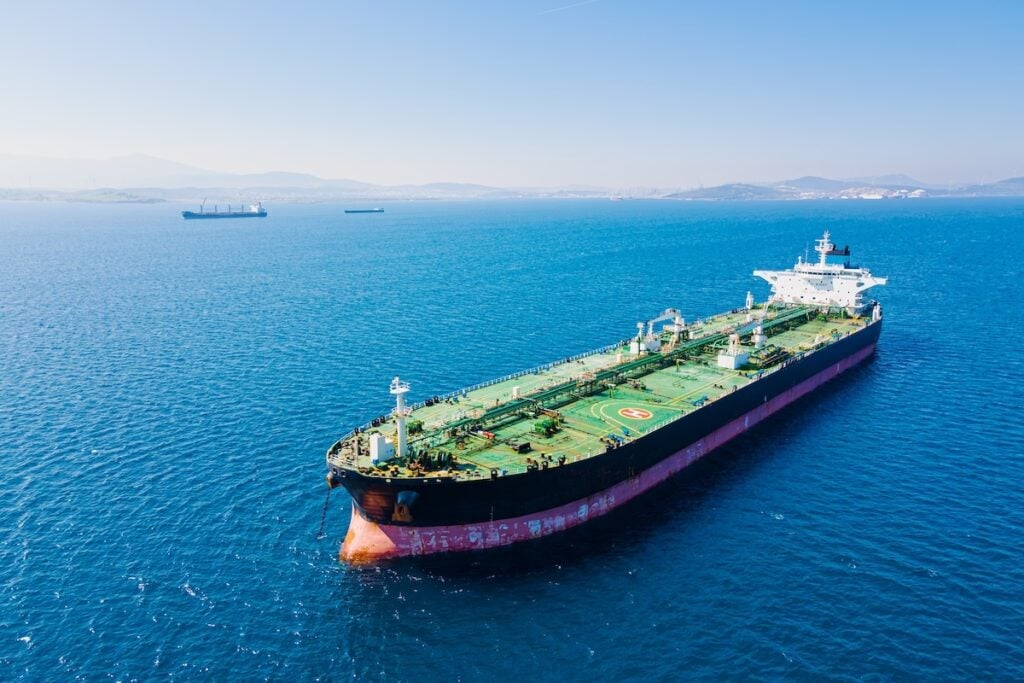
The escalation of conflict involving Iran has effectively compromised the security of the Strait of Hormuz, forcing a structural rerouting of global oil flows. As traditional transit corridors face heightened risk, international buyers are accelerating their pivot toward U.S. crude and natural gas supplies. This shift marks a departure from the long-standing reliance on Persian Gulf production, positioning North American producers as the primary alternative for energy-importing nations seeking supply stability.
The Shift Toward Domestic Energy Security
Energy importers are increasingly prioritizing supply chain reliability over traditional geographic preferences. The disruption of established maritime routes has created a premium on barrels that can be sourced from stable jurisdictions. For U.S. producers, this transition represents a transformation from marginal suppliers to foundational components of global energy security. The ability to scale production and export capacity now serves as a primary driver for investment in domestic infrastructure.
Companies like Exxon Mobil (XOM) are positioned to capitalize on this pivot through their integrated operations. The firm is currently navigating a complex landscape where production scaling must be balanced against shifting global demand for petrochemicals. As noted in our Exxon Mobil Production Scaling and the Permian Integration Pivot, the company's ability to integrate its Permian assets remains a critical factor in maintaining output levels during periods of global volatility.
Natural Gas and the Export Infrastructure Gap
While crude oil captures the immediate headlines, the natural gas sector faces a similar structural realignment. Domestic producers are moving to fill the void left by potential supply gaps in international markets. This shift is driving a renewed focus on the completion and expansion of export terminals. The ability to move gas from the wellhead to international markets is no longer just a logistical goal but a strategic necessity for producers looking to secure long-term contracts with energy-starved regions.
EQT Corp (EQT) remains a central player in this environment, as its production capacity directly influences the availability of natural gas for export. The company is currently navigating a mixed market environment, reflected in its AlphaScore of 45/100. The broader energy sector is currently seeing a divergence between companies with direct access to export infrastructure and those reliant on domestic-only distribution channels.
AlphaScala Market Context
Our current data reflects the varying degrees of stability across the energy sector. Exxon Mobil Corporation maintains an AlphaScore of 52/100, indicating a mixed outlook as it balances production growth with geopolitical headwinds. EQT Corp holds an AlphaScore of 45/100, also labeled as mixed, as it continues to manage the interplay between domestic supply levels and the growing demand for export-ready natural gas. These scores highlight the ongoing volatility inherent in the current energy landscape.
The next concrete marker for this narrative will be the upcoming quarterly export volume reports and any updates regarding the permitting of new liquefaction facilities. These filings will provide the first clear evidence of whether domestic producers can maintain the pace required to offset the ongoing disruptions in the Persian Gulf. Investors should monitor these updates to determine if the current shift in trade routes will result in sustained capital expenditure increases for major energy firms.