Apple has entered a period where its traditional hardware-first strategy faces a direct collision with the rapid evolution of generative artificial intelligence. The recent narrative shift centers on the company's struggle to bridge the gap between its privacy-centric architecture and the massive data requirements of modern AI models. While the company maintains a dominant position in consumer electronics, the delay in deploying advanced Siri capabilities has signaled to the market that the transition to an AI-native ecosystem is not as seamless as previous hardware cycles.
The Silicon Advantage and On-Device Constraints
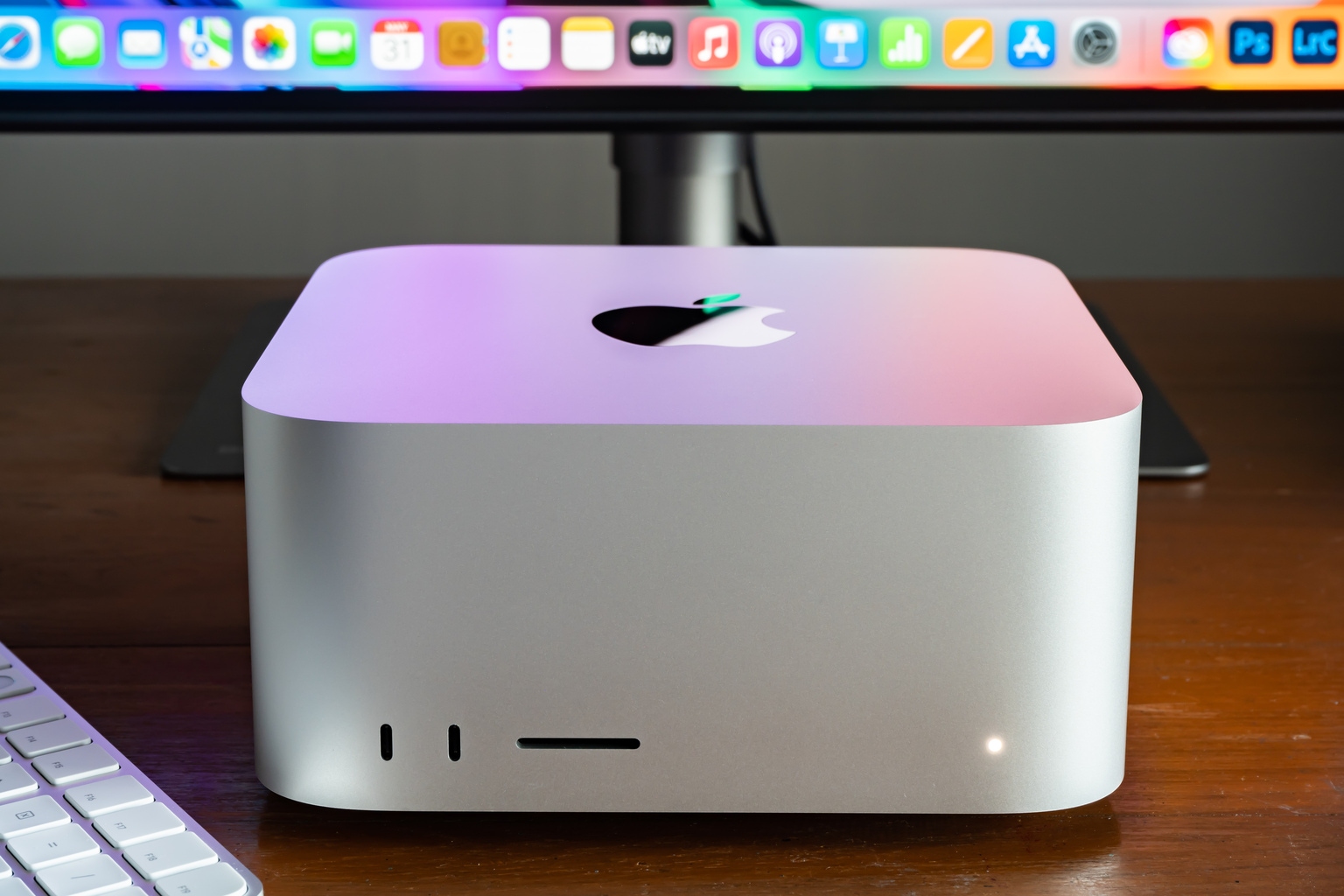
Apple Silicon remains the primary pillar of the company's long-term strategy. By shifting AI processing to on-device hardware, the company attempts to solve the latency and privacy concerns that plague cloud-based competitors. This approach creates a distinct competitive moat, as it leverages the vertical integration of custom chips to handle complex tasks without relying on external server farms. However, this strategy imposes physical limitations on memory and processing power that may constrain the scale of models the hardware can support.
Investors are now evaluating whether this hardware-centric approach will be sufficient to keep pace with software-first competitors. The reliance on on-device processing necessitates a delicate balance between performance and battery life, a constraint that does not apply to cloud-based AI providers. If the company cannot optimize its software to match the capabilities of larger, cloud-hosted models, the hardware advantage may become a secondary factor in consumer purchasing decisions.
Strategic Realignment and Market Positioning
The current market environment reflects a cautious stance toward the company's ability to monetize its AI initiatives. While the brand equity remains intact, the lack of a clear, immediate revenue stream from AI features has led to a re-evaluation of the company's growth trajectory. The internal shift toward prioritizing on-device privacy is a strategic choice that differentiates the firm from peers, yet it also limits the scope of data collection that typically fuels rapid AI iteration.
AlphaScala data currently assigns AAPL an Alpha Score of 60/100, reflecting a moderate outlook as the company navigates these technical hurdles. With the stock price at $273.43, the market is pricing in a steady transition rather than an immediate breakthrough in AI services. You can track further developments on the AAPL stock page to see how these metrics evolve.
Market context suggests that the broader technology sector is currently undergoing a rotation toward companies that can demonstrate tangible AI-driven revenue growth. For Apple, the challenge is to prove that its ecosystem lock-in can withstand the pressure of competitors who are moving faster in the software space. The company's leadership succession and the strategic mandate remain critical variables in how effectively the firm pivots its R&D budget toward these new software priorities.
The next concrete marker for the company will be the upcoming quarterly guidance update. Investors should look for specific commentary on the integration of AI features into the next generation of hardware releases. Any shift in capital expenditure toward cloud infrastructure or a change in the timeline for Siri updates will serve as the primary indicator of whether the company intends to accelerate its AI roadmap or maintain its current, more conservative pace.