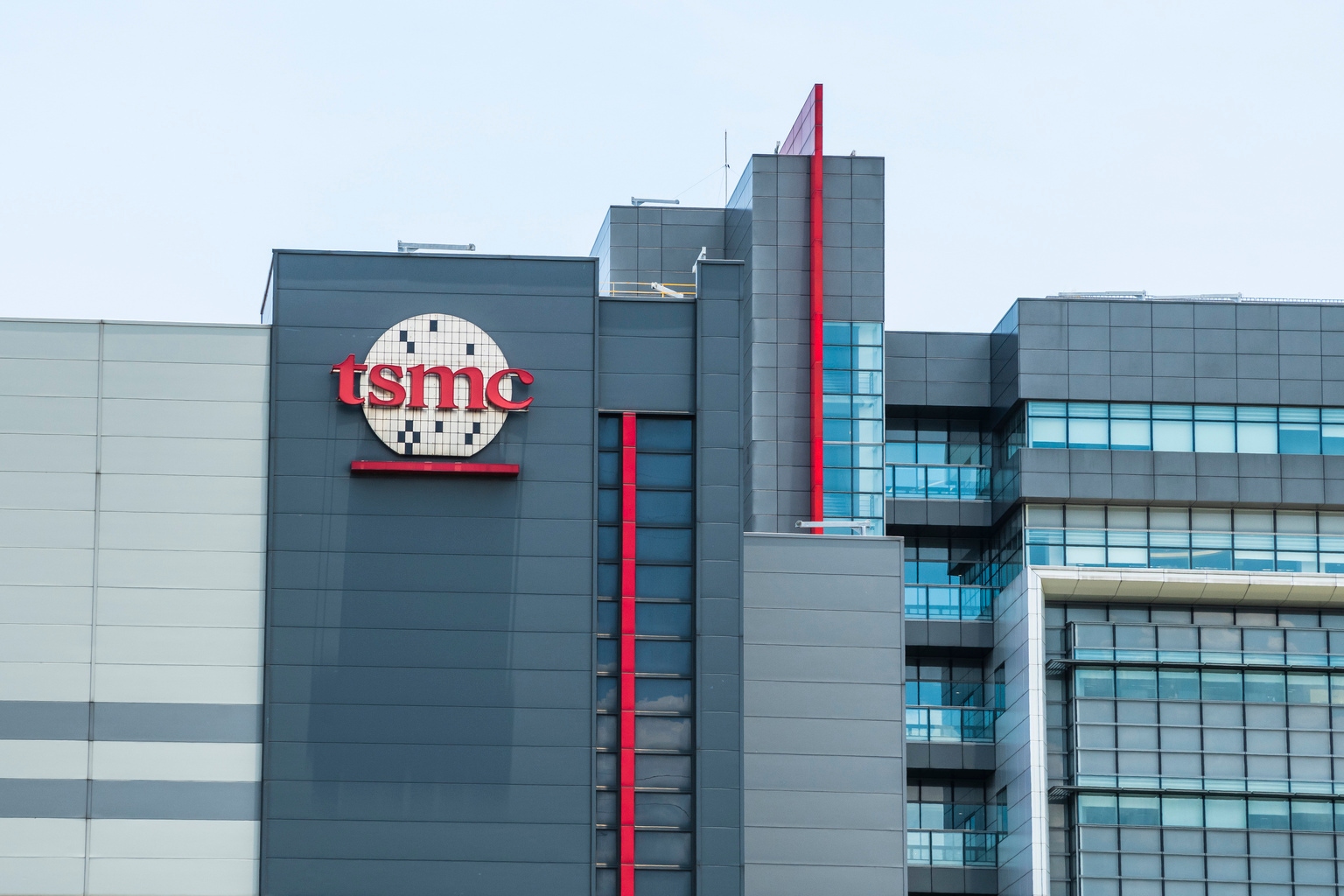
The Infrastructure Constraint on TSMC's AI Growth
Taiwan Semiconductor Manufacturing Company (TSM) is racing to build capacity for AI chip orders from Apple (AAPL), NVIDIA, and other design clients. The simple read is that demand is the only bottleneck. The better market read is that the real constraint is physical: the power and water required to run advanced fabs at full tilt.
TSMC's 3nm and future 2nm nodes consume significantly more electricity per wafer than previous generations. The company's Hsinchu and Taichung fabs draw from Taiwan's already tight grid. A single summer drought or a delay in the island's planned offshore wind and LNG capacity could cap utilization before demand does. This is not a hypothetical risk. Taiwan experienced severe drought in 2021 that forced water trucking to industrial parks. TSMC procured its own water tanks, that fix does not scale for the multi-phase expansions underway in Tainan and Kaohsiung.
What Would Confirm the Infrastructure Risk
Investors should track two metrics: Taiwan Power Company's reserve margin forecasts and the water level at the Hsinchu reservoirs. If the reserve margin drops below 6% in a dry season, or if water restrictions are imposed on industrial users, TSMC's capacity ramp will face a real ceiling. The company has invested in water recycling and on-site power generation. Those measures offset only a portion of the incremental demand.
A stronger confirmatory signal would come from capital expenditure guidance. If TSMC pushes out its 2nm timeline or redirects some expansion to Arizona and Japan faster than planned, the infrastructure risk is already materializing. That would change the narrative from "AI demand is infinite" to "AI supply is finite by infrastructure."
Assets in the Crosshairs
- TSM stock is the direct exposure. The Alpha Score of 67 and Moderate label reflect balanced risk. Infrastructure constraints would compress the earnings multiple if wafer output growth disappoints.
- NVIDIA and Apple would face higher chip costs and potential allocation delays if TSMC's output undershoots. Both companies are partially insulated by multiple foundry sources. Leading-edge AI chips rely nearly exclusively on TSMC.
- Amkor (AMKR) and other packaging partners could see a pullback in advanced packaging volumes if TSMC's front-end wafer supply is squeezed.
Scenarios That Shift the Risk
The risk is reduced if Taiwan's government fast-tracks new power plants or if TSMC signs long-term water purchase agreements with desalination operators. A sustained rainy season that refills reservoirs would also weaken the constraint for the next 12 months.
The risk worsens if a geopolitical event disrupts Taiwan's energy imports or if a new drought cycle coincides with the peak ramp of 2nm production. Those scenarios would force TSMC to allocate limited output to its highest-margin customers. That could squeeze mid-tier AI chip buyers.
The Next Decision Point
TSMC's next quarterly earnings call will include an update on capital expenditure plans for 2026. The split between domestic and overseas investments is the single most informative data point. If overseas spending share rises above 15% of total capex, the market should treat it as a signal that Taiwan's infrastructure has hit a practical ceiling.
For now, the infrastructure risk is priced as a tail risk, not a base case. As AI chip demand grows faster than physical capacity, that order of probability will shift. Investors should keep the Taiwan water gauge and power reserve on their watchlist.
For related analysis, see the TSM stock page, NVIDIA profile, and Amkor article.