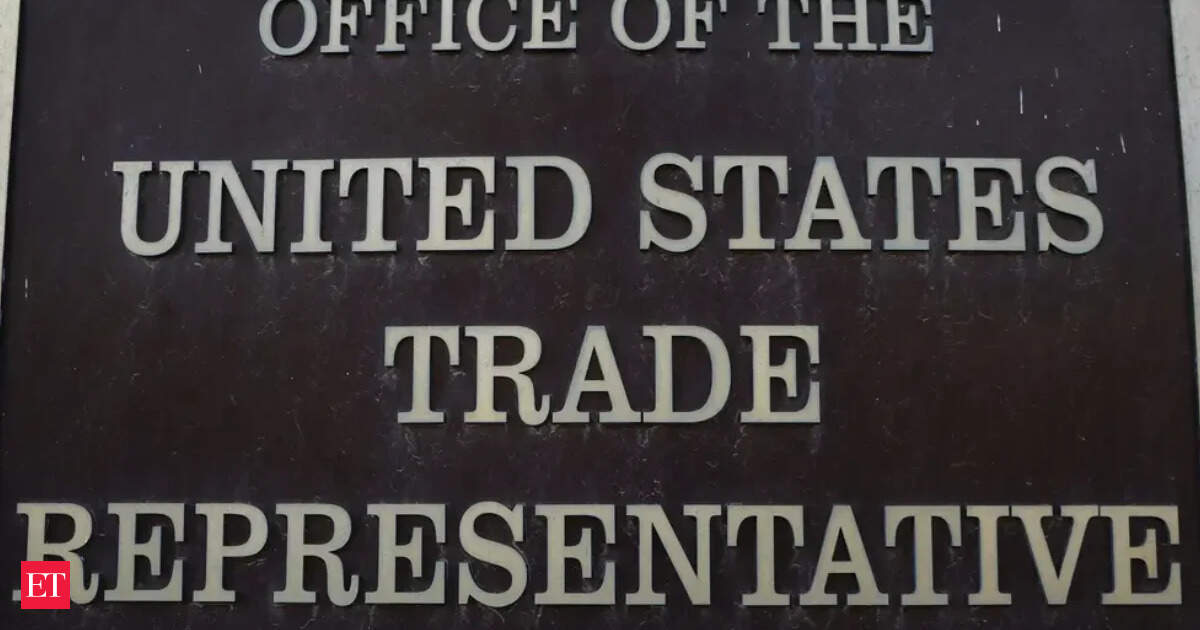
The Cotton Textiles Export Promotion Council of India, known as TEXPROCIL, has formally challenged the United States Trade Representative regarding ongoing investigations into the Indian textile sector. The USTR probe centers on allegations of excess manufacturing capacity and the use of forced labor within the industry. TEXPROCIL maintains that these characterizations misinterpret the fundamental structure of India's textile market and its primary drivers.
Domestic Consumption Dynamics
TEXPROCIL argues that the Indian cotton textile industry is fundamentally anchored by robust domestic demand rather than an export-oriented surplus model. By emphasizing local consumption as the primary engine for production, the council seeks to refute the narrative that Indian manufacturers are flooding global markets with artificially cheap goods. This distinction is critical because the USTR investigation relies on the premise that excess capacity is being leveraged to undercut international competitors.
If the USTR concludes that India is maintaining non-market capacity, the resulting trade remedies could disrupt established supply chains. The council warns that any punitive measures would not only damage bilateral trade ties but also fail to address the actual economic realities of the Indian manufacturing landscape. The following points summarize the core of the council's defense against the Section 301 inquiry:
- Domestic demand remains the primary driver of production volumes.
- Export volumes represent a secondary portion of total output.
- Allegations of forced labor do not align with the operational standards of the organized textile sector.
Geopolitical and Trade Implications
This investigation occurs within a broader context of shifting global trade policies and increased scrutiny of manufacturing supply chains. As the United States seeks to diversify its import sources away from traditional hubs, the scrutiny of India's textile sector suggests a tightening of regulatory oversight for emerging manufacturing giants. The outcome of this probe will likely influence how India manages its commodities analysis and trade agreements moving forward.
For investors and industry participants, the immediate risk lies in the potential for tariffs or non-tariff barriers that could increase the cost of Indian textile imports into the US. While the council remains confident in its rebuttal, the USTR process is often lengthy and can lead to significant uncertainty for exporters. The sector is currently navigating a period where global demand for cotton is sensitive to both inflation and shifting consumer preferences, making any trade friction particularly impactful for margins.
AlphaScala data indicates that textile manufacturing output in the region has remained steady over the last two quarters, with domestic absorption rates showing little deviation from historical averages. This stability supports the council's argument that production is aligned with internal needs rather than an aggressive export-led strategy.
Market participants should monitor the next formal response from the USTR regarding the evidence submitted by TEXPROCIL. The final determination will serve as the primary marker for whether the US will proceed with trade-restrictive measures or accept the council's findings on domestic market reliance. Any shift in US policy toward Indian textiles will likely have cascading effects on global cotton pricing and regional manufacturing investment cycles.