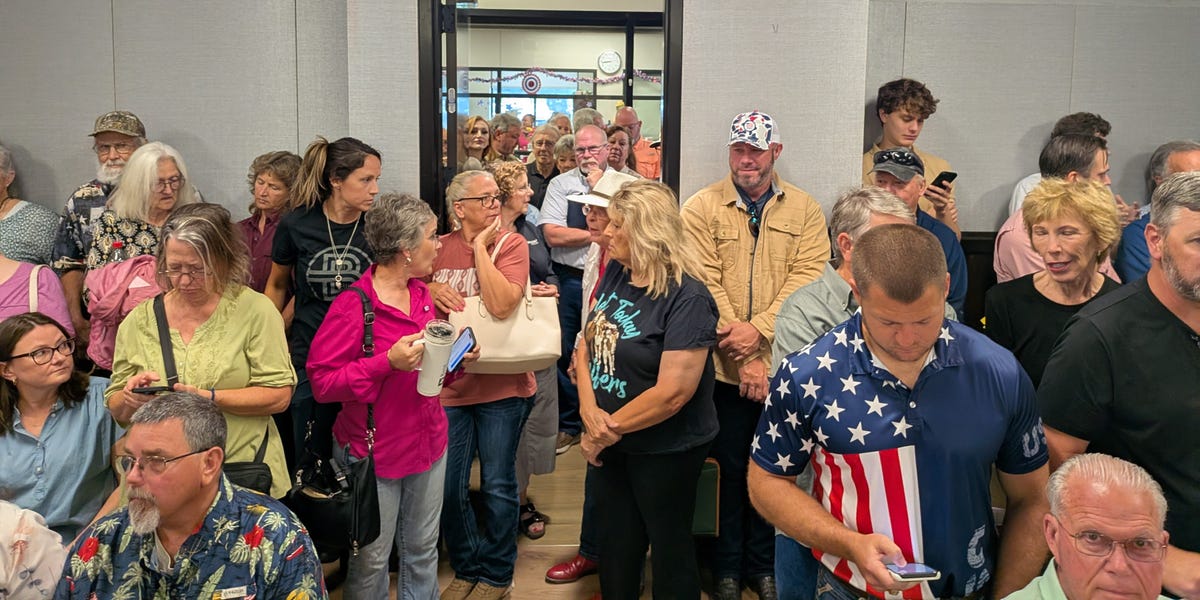
SpaceX has submitted proposals to build the first phase of its chipmaking moonshot – a Terafab semiconductor facility – in Grimes County, Texas, with a price tag of at least $55 billion. Residents in the small rural county are now protesting the project. This is not just another data center battle. It is the first large-scale local opposition to a dedicated AI chip factory in the US, and it opens a new risk vector for semiconductor supply expansion.
The $55 Billion Terafab and the Local Pushback
SpaceX's Terafab would be a semiconductor facility capable of producing AI chips at a scale that rivals the largest foundries in Asia. The $55 billion investment dwarfs typical fab projects and underscores Elon Musk's ambition to secure chip supply for his AI ventures, including Tesla's self-driving and xAI. Grimes County residents are voicing concerns over water usage, power demand, and environmental impact. The opposition is still in its early stages – public hearings and county commission votes lie ahead. It already signals that AI infrastructure faces a broadening backlash beyond data centers.
What the Protest Means for the Semiconductor Supply Chain
The Terafab protest is a concrete example of the permitting risk that now hangs over every large US chip project. For years, fab expansions were seen as purely technical and financial challenges. Local communities rarely mounted serious opposition because semiconductor plants were viewed as clean, high-wage employers. That calculation is changing. Rural counties are increasingly skeptical of the resource demands of AI infrastructure – massive power draws, water for cooling, and the strain on local roads and housing.
If the Grimes County opposition delays or blocks the Terafab, it has direct implications for the AI chip supply timeline. SpaceX's facility would have taken years to build even without resistance. A protracted permitting battle could push first production into the 2030s, leaving Musk's own AI chip demand dependent on outsiders like NVIDIA and AMD. More broadly, the protest sets a precedent for other chipmakers trying to build under the CHIPS Act.
The Mechanism: Why Rural Texas Matters for Fab Siting
Semiconductor fabs are not like data centers. They require ultra-pure water, high-voltage power, and a workforce with specialized skills. Rural Texas offered cheap land, low taxes, and fewer environmental reviews – until now. The Grimes County terrain is typical of the counties targeted by both data center developers and chip companies. The protest shows that even a project backed by one of the most visible entrepreneurs in the world is not immune to NIMBY opposition.
The mechanism is straightforward: local residents organize, attend county commission meetings, and force delays through public comment requirements, environmental studies, and potential lawsuits. Each month of delay raises the project's cost and pushes out the expected revenue from chip sales. For a $55 billion project, even a 10 percent cost overrun from delays is $5.5 billion – a significant drag on returns.
Sector Readthrough: A Warning for the Entire US Fab Pipeline
This protest is not isolated. It is the first test case for whether the US semiconductor self-sufficiency push can withstand community resistance. The CHIPS Act allocated $39 billion in subsidies to attract fab construction. It did not budget for social license. Any company planning a new US fab – whether TSMC, Intel, Samsung, or a startup – must now factor in a higher probability of local opposition.
The readthrough is most acute for projects in similarly rural counties in Texas, Arizona, New Mexico, and Ohio. These are precisely the locations where many announced fabs are slated. If the Grimes County protest succeeds in slowing the Terafab, it will embolden opposition in other counties. The result could be a slower pace of capacity additions, which would keep AI chip supply tight and support pricing power for incumbents like NVIDIA and TSMC.
Next Catalyst: The County Commission and the Decision Timeline
The immediate next step is a series of public hearings in Grimes County, followed by a vote by the county commissioners on permits and infrastructure agreements. SpaceX may also need state-level approvals for water rights and power transmission. Each of these milestones is a potential flashpoint. Investors tracking the AI infrastructure theme should monitor these events as a leading indicator for fab construction timelines across the US.
If the Terafab is greenlit with minimal delays, it sends a positive signal that the current wave of opposition is manageable. If it is blocked or substantially delayed, it will force a reassessment of the risk premium embedded in US chip manufacturing stocks and project financings. The $55 billion Terafab is not just a high-stakes bet for SpaceX. It is a stress test for the entire industry's ability to build the physical backbone of AI.