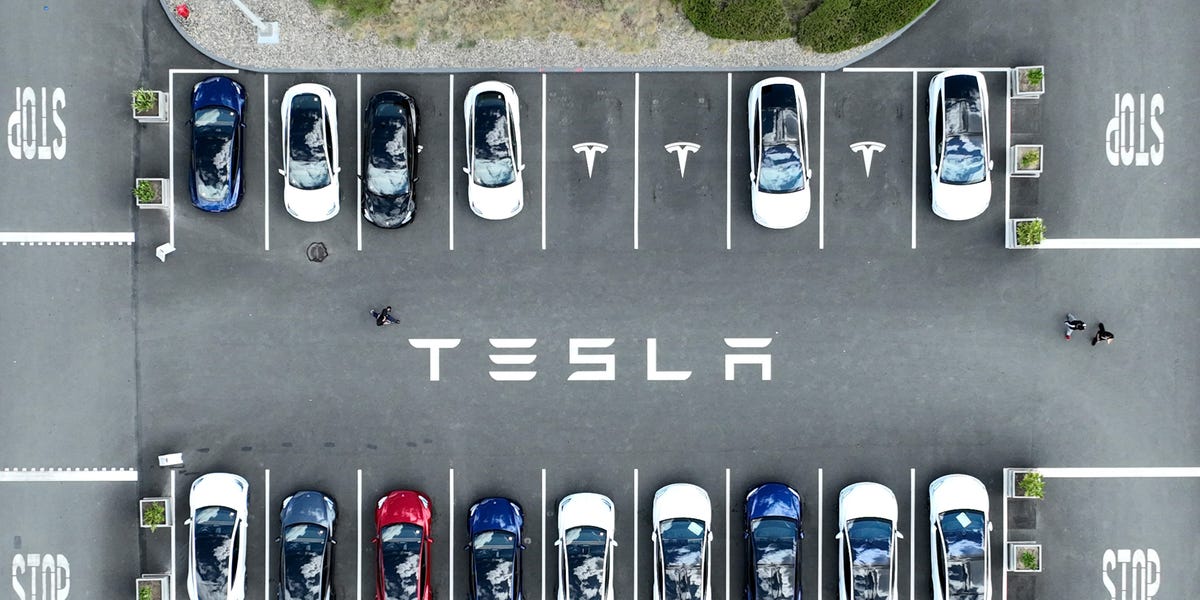
Tesla has secured an indefinite quantity contract that streamlines the procurement process for state, municipal, and educational agencies across North America. This agreement removes significant administrative hurdles for government entities looking to integrate electric vehicles into their existing fleets. By formalizing a pathway for rapid acquisition, the company is positioning its product line as a direct competitor to traditional internal combustion engine vehicles currently dominating the public sector.
Shifting the Public Sector Procurement Model
The shift toward electric vehicle adoption in government fleets has historically been hampered by fragmented procurement processes and inconsistent bidding requirements. This contract establishes a standardized framework that allows local agencies to bypass lengthy, individualized negotiations for each vehicle purchase. For Tesla, this represents a strategic pivot to capture high-volume, recurring demand from non-commercial entities. The expansion into police cruisers and municipal utility vehicles suggests an attempt to normalize the brand within environments that prioritize durability and operational uptime over consumer-facing features.
This move forces a reevaluation of how legacy automotive manufacturers maintain their grip on government contracts. Public agencies often rely on long-term service agreements and specialized upfitting services provided by established domestic automakers. Tesla must now demonstrate that its software-defined vehicle architecture and charging infrastructure can meet the rigorous, high-utilization demands of law enforcement and public works departments. The success of this initiative will depend on the company's ability to provide localized maintenance support and rapid deployment capabilities that match the existing expectations of municipal fleet managers.
Competitive Read-through and Market Positioning
For investors monitoring TSLA stock page, this contract serves as a test of the company's ability to scale enterprise-level sales outside of the traditional retail market. While consumer demand remains the primary driver of revenue, the public sector offers a more predictable, albeit lower-margin, revenue stream. The ability to secure these contracts at scale could provide a buffer against the cyclical volatility often seen in the broader consumer discretionary sector.
AlphaScala data currently assigns TSLA an Alpha Score of 36/100, reflecting a mixed outlook as the company balances its core automotive business with these new institutional channels. The broader stock market analysis suggests that as companies like Tesla move into specialized fleet markets, the focus shifts from pure unit growth to the operational efficiency of the underlying technology. The integration of these vehicles into government fleets will be a primary indicator of whether the company can successfully transition from a consumer-focused manufacturer to a diversified industrial supplier.
The Next Catalyst for Fleet Integration
The immediate path forward involves the first wave of agency-specific orders placed under this new framework. Market observers should monitor upcoming municipal budget filings and public procurement disclosures to track the volume of vehicle adoption. These filings will provide the first concrete data on the actual uptake of the contract and the specific vehicle models being prioritized for public service. The degree to which these agencies commit to long-term fleet electrification will determine if this contract is a niche development or the beginning of a broader shift in government procurement strategy.