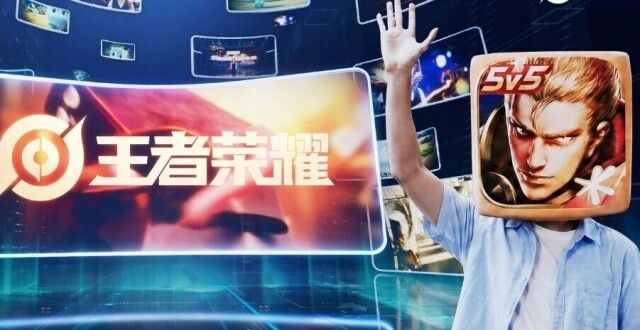
Tencent Holdings (TCEHY) unveiled a 42-product pipeline at its annual game conference, including 15 new titles, with artificial intelligence integration and global expansion as the core strategic pillars. The announcement shifts the narrative from Tencent as a passive gaming conglomerate to one actively reshaping its development pipeline around AI tools.
Why the Pipeline Detail Matters Now
The 42-product figure is not just a volume metric. It signals that Tencent is moving beyond its traditional model of investing in external studios and instead building a proprietary slate that can leverage AI across production, testing, and live operations. The 15 new titles represent a deliberate increase in organic development capacity, a shift that matters for margin structure and execution risk.
Tencent's Alpha Score of 45/100 (Mixed) reflects the market's uncertainty about how quickly AI-driven efficiencies will translate into earnings. The conference roadmap is the clearest signal yet that management is betting on internal development velocity over acquisition-led growth.
AI Integration as a Competitive Moat
Tencent's AI strategy in gaming goes beyond NPC behavior or procedural generation. The company is embedding AI into the full development lifecycle: asset creation, playtesting, localization, and live-service content generation. This approach directly targets two structural problems in the gaming industry: rising development costs and long release cycles.
If Tencent can reduce per-title development time by 20-30% through AI tools, the 42-title pipeline becomes more credible as a revenue driver. The risk is that AI integration increases technical complexity and delays flagship releases, a pattern seen across the broader tech sector.
Global Expansion Read-Through
The conference also emphasized global distribution, a necessary pivot given China's regulatory constraints on domestic game approvals. Tencent's international revenue mix has been climbing, and the new titles suggest a deliberate push into Western and Southeast Asian markets where the company has historically relied on partnerships rather than first-party publishing.
This creates a direct competitive overlap with Apple (AAPL) and NVIDIA, both of which are investing heavily in gaming ecosystem tools. Apple's App Store policies and NVIDIA's cloud gaming infrastructure will shape how Tencent's global rollout performs. The stock market analysis page tracks these cross-sector dynamics.
The Decision Point for TCEHY
The 42-game roadmap is a multi-year catalyst, not a quarterly event. The key test will come in the next 12-18 months when the first AI-integrated titles enter beta. If those titles show measurable improvements in development speed or player retention, the AI thesis gains credibility. If delays or quality issues emerge, the pipeline becomes a liability.
Tencent's TCEHY stock page provides real-time tracking of the stock's response to these product milestones. The next concrete marker is the Q4 earnings call, where management will likely quantify AI's impact on R&D spending and title release cadence.