Stocks● Neutral
Telangana Heatwave: 16 Dead, ₹4 Lakh Ex-Gratia Announced
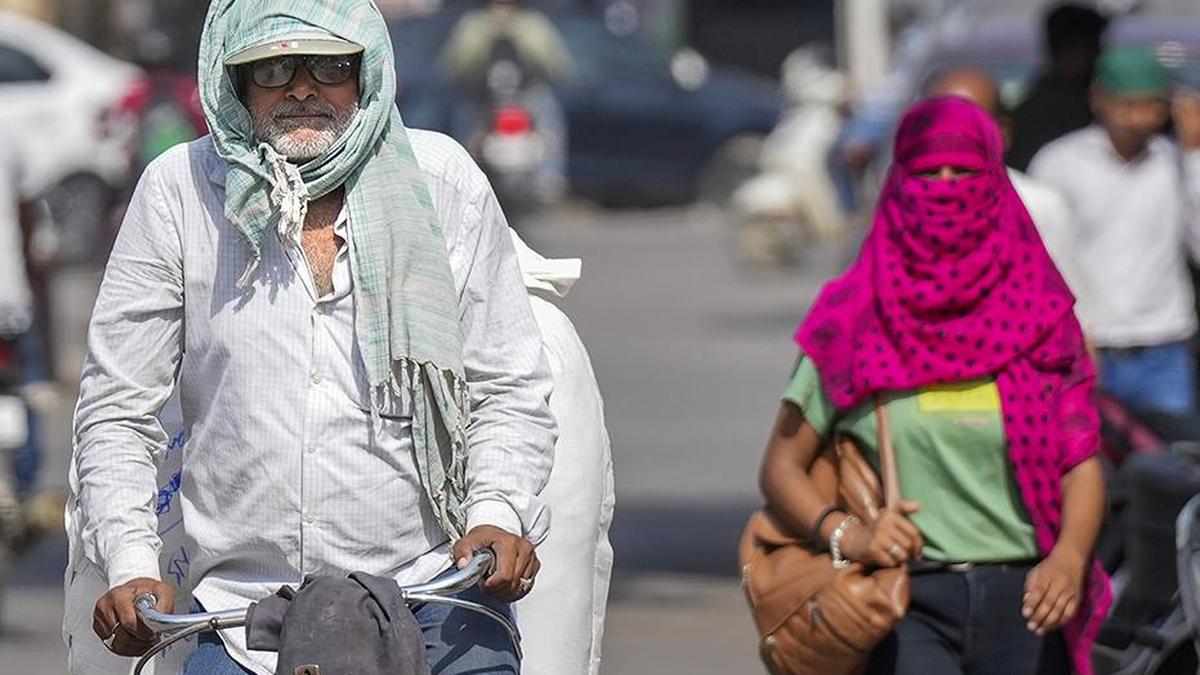
Telangana declares ₹4 lakh ex-gratia for 16 heatstroke deaths. IMD warns severe heatwave until May 26 across nine districts including Hyderabad. Government orders hourly alerts and emergency medical readiness. Track fatality count as the key variable.
Continue with
The Telangana government has declared ₹4 lakh ex-gratia for the families of 16 people who died from heatstroke across seven districts. Minister Ponguleti Srinivas Reddy convened an emergency meeting with senior officials on Saturday after temperatures spiked abnormally, and the India Meteorological Department (IMD) issued a severe heatwave warning valid through May 26.
The Event That Changed the Risk Landscape
Sixteen confirmed fatalities in a single weekend classify this heatwave event as a public-health crisis with direct economic consequences. The deaths were concentrated in the northern and central parts of the state. Four deaths occurred in Jayashankar Bhupalpally. Three each were reported in Warangal Urban, Karimnagar, and Nizamabad. The remaining three were single cases in Jogulamba Gadwal, Rangareddy, and Suryapet.
The government’s immediate financial commitment – ₹4 lakh per family, or ₹64 lakh total – is a direct fiscal outlay. Equally material are the operational orders: district collectors must ensure round-the-clock availability of cold drinking water, ORS packets, and buttermilk at public places, and maintain absolute readiness of emergency medical services.
The IMD Warning Window
The IMD extended its severe heatwave warning for at least nine districts through May 26. The affected districts include Hyderabad, Rangareddy, Karimnagar, Khammam, Nalgonda, Suryapet, Mulugu, and Mahabubnagar. This is a high-population corridor that covers the state capital and major industrial zones.
Why This Matters Now for Risk Assessment
Heatwaves create a predictable cascade of secondary effects. Power demand spikes as cooling loads rise, water supply systems come under stress, and outdoor labour productivity collapses during the peak 11 AM to 4 PM window that the government explicitly told the public to avoid. For a state with a large agricultural workforce, the next three days carry outsized mortality and morbidity risk.
Vulnerable Population Exposure
Authorities flagged three specific vulnerable groups: senior citizens, pregnant women, and individuals with pre-existing medical conditions. The government also ordered hourly public awareness alerts broadcast through mainstream media and social platforms to reach these groups.
Economic Read-Through for State Revenue
The loss of labour hours in construction, farming, and informal trades during a multi-day heatwave directly depresses daily wage income and can strain state-level welfare schemes. The ex-gratia payments, while small in absolute terms, represent a categorical admission that the event has passed a threshold requiring centralised fiscal intervention.