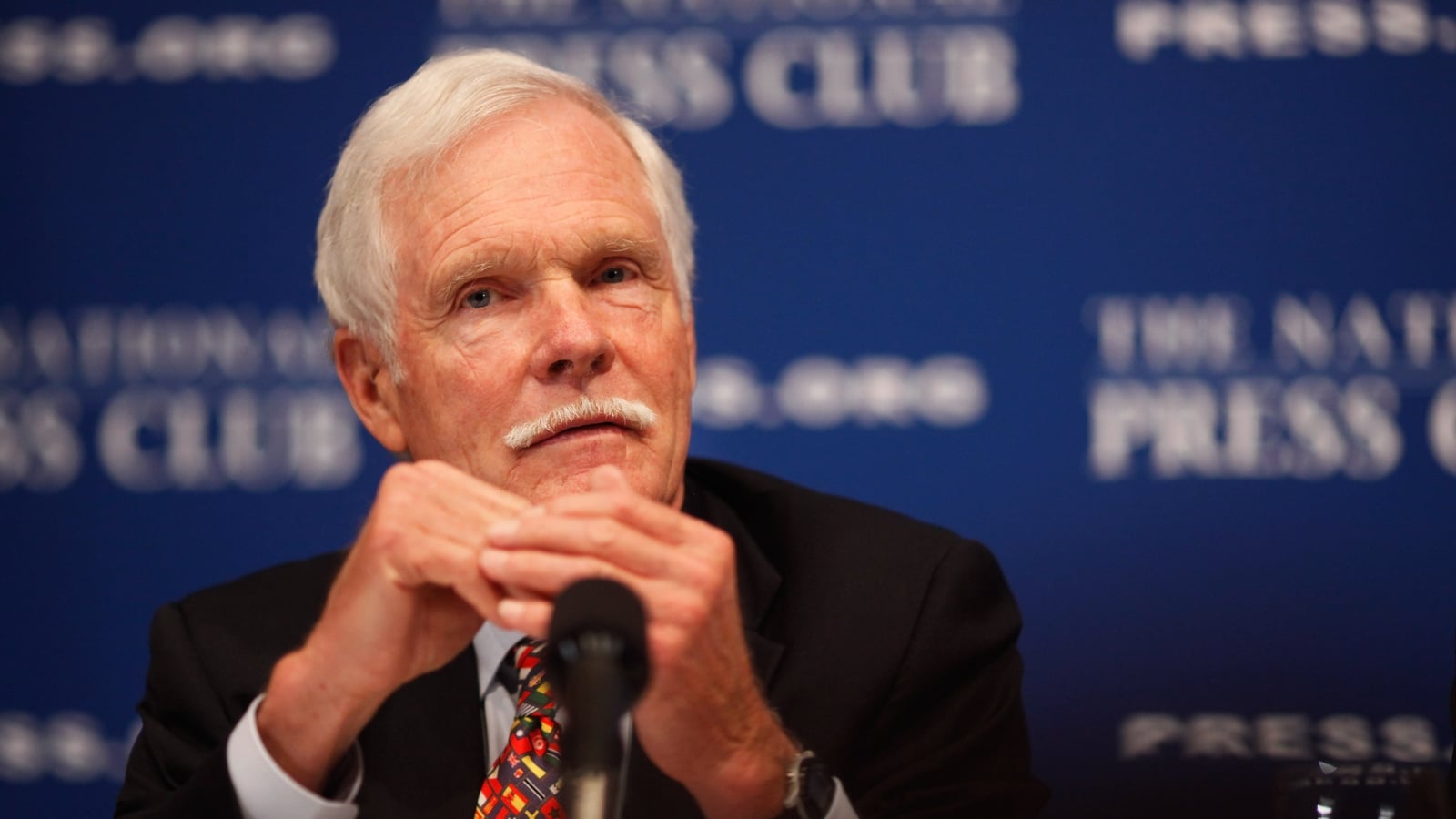
The passing of Ted Turner at age 87 marks the end of an era for the media landscape he fundamentally reshaped. As the founder of the Cable News Network, Turner pioneered the 24-hour news cycle, a model that transformed how global information is consumed and monetized. While his direct influence on the media sector waned following the 1996 merger of Turner Broadcasting System with Time Warner, his career serves as a case study in the transition from independent media entrepreneurship to the era of massive corporate consolidation.
The Shift from Independent Media to Corporate Consolidation
Turner’s career trajectory highlights the inherent friction between the agile, high-risk strategies of a founder-led business and the rigid structures of large-scale conglomerates. His acquisition of the MGM/UA movie studio and the subsequent merger with Time Warner placed him at the center of the largest media entity of its time. However, his inability to navigate the bureaucratic constraints of the post-merger corporate environment led to a loss of control over the assets he built. This transition is a recurring theme in stock market analysis, where the integration of disruptive, founder-led firms into legacy corporations often results in a dilution of the original innovation that drove the initial value proposition.
Asset Diversification and Long-Term Wealth Preservation
Beyond his media ventures, Turner’s portfolio management provides a distinct lesson in capital allocation. By diversifying into professional sports franchises like the Atlanta Braves and the Atlanta Hawks, as well as becoming one of the largest private landowners in the United States, he insulated his net worth from the volatility of the media sector. Forbes currently estimates his fortune at $2.8 billion, a figure that reflects the success of his pivot from a pure-play media entrepreneur to a diversified asset holder. His philanthropic commitment, including a $1 billion donation to the United Nations, further underscores the scale of his capital reach.
The Next Decision Point for Media Investors
For market participants, the legacy of the Turner era is now found in the ongoing struggle of legacy media networks to adapt to the digital-first, on-demand consumption model. The 24-hour news format that CNN pioneered is currently facing its own existential pressures as audience fragmentation continues to erode traditional cable advertising revenue. Investors should monitor how current media conglomerates manage the decline of linear television assets against the rising costs of streaming content production. The ultimate test for the industry remains whether these entities can replicate the disruptive success of the 1990s in a landscape where the barrier to entry for content distribution has been effectively eliminated by digital platforms.