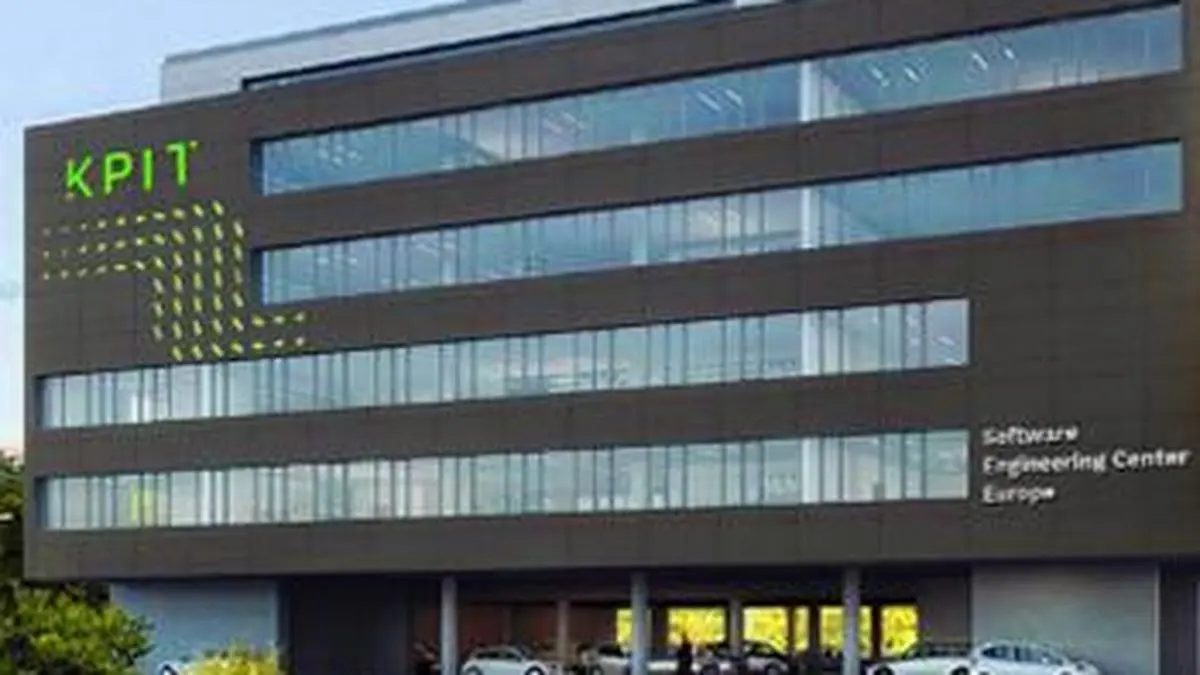
KPIT Technologies reported a 33% decline in net profit for the quarter ending March 2026, with the bottom line falling to ₹162.97 crore. While the headline figure suggests a significant contraction, the underlying mechanics reveal a complex interplay between top-line expansion and a heavy burden from rising operational and financial overheads. The company faced a confluence of higher finance costs, elevated material expenses, and increased depreciation and amortization charges, compounded by a realized forex loss. These factors effectively neutralized the gains from a 12% annual revenue growth, which reached ₹1,723.1 crore for the period.
Operational Headwinds and Margin Pressure
The divergence between revenue growth and profit contraction highlights a shift in the company’s cost structure. Despite the 12% year-over-year revenue increase, the EBITDA margin settled at 20.6%. This margin profile is under pressure as the firm navigates a transition toward AI-led products and solutions. Management noted that macroeconomic developments, specifically trade and geopolitical uncertainties, hampered the mobility industry's ability to invest in new platforms throughout the previous year. For investors, the primary concern is whether the current cost base is a structural shift required to support long-term AI integration or a temporary spike in expenses that will normalize in FY27.
Strategic Deal Wins and TCV Dynamics
Despite the profit dip, the company’s order book remains a point of focus. KPIT secured a Total Contract Value (TCV) of $349 million in Q4, a figure bolstered by two large strategic engagements. These wins are concentrated in connected vehicle, virtual engineering, and propulsion domains. The company is positioning itself as a domain-focused player, arguing that the integration of AI into automotive engineering favors firms with deep technical expertise. This strategy is intended to help OEMs reduce time-to-market, a critical competitive lever in an industry facing relentless cost constraints.
Growth Outlook and Sector Diversification
Management is pivoting toward a broader client base, specifically targeting the trucks and off-highway vehicle sectors. By guiding these OEMs toward AI-defined machines, KPIT aims to capture market share in India, China, and Southeast Asia. The following table summarizes the key performance indicators for the quarter:
| Metric | Value |
|---|
| Q4 Net Profit | ₹162.97 Crore |
| Annual Revenue Growth | 12% |
| EBITDA Margin | 20.6% |
| Q4 TCV of New Engagements | $349 Million |
The Path Forward for FY27
Kishor Patil, Co-founder and CEO, characterized the recent performance as a reflection of a challenging environment that is now showing signs of improvement. The company enters FY27 with what it describes as sufficient growth headroom in automotive software. However, the ability to convert these new engagements into bottom-line growth will depend on the firm's capacity to manage its depreciation and amortization expenses, which have been a significant drag on earnings. Investors should monitor whether the shift toward AI-infused solutions allows for margin expansion or if the cost of R&D and implementation continues to outpace revenue gains. While the company maintains a strong relationship with OEMs, the competitive landscape remains intense, and the success of the off-highway and micromobility segments will be a primary indicator of whether the current strategy can offset the volatility seen in the automotive sector. For those tracking broader sector trends, this performance provides a granular look at the stock market analysis regarding how engineering service providers are managing the transition to AI-defined vehicle architectures.
Welltower Inc. (WELL) currently holds an Alpha Score of 52/100, reflecting a mixed outlook within the broader Real Estate sector as firms navigate similar cost-management challenges.