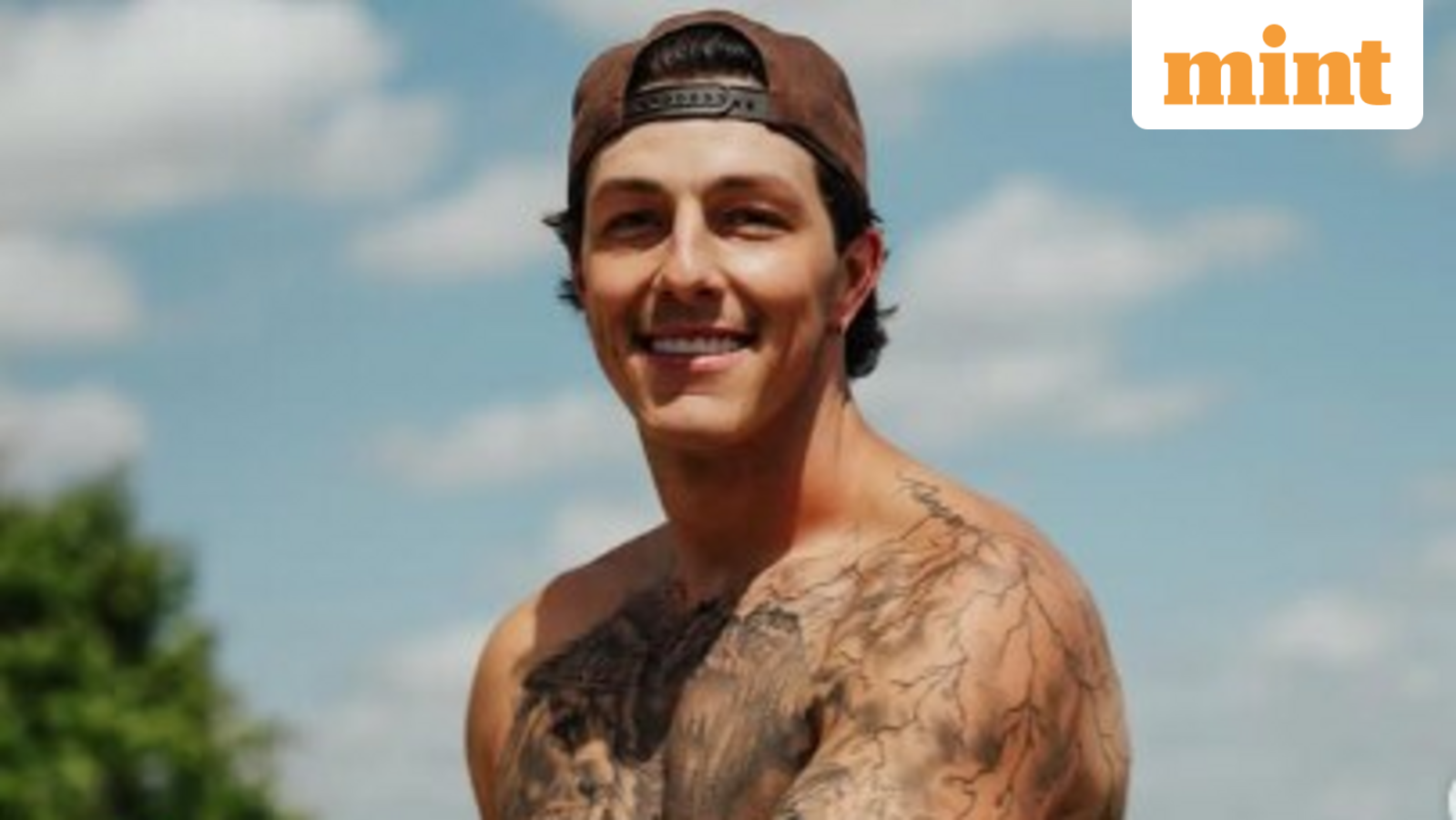
Tayler Holder’s decision to cancel his entire “When No One’s Around” tour, announced via Instagram, marks a critical inflection point for an artist who built a following of over 19 million on TikTok and 4.5 million on Instagram by projecting emotional transparency. The cancellation, framed as a mental health necessity, converts a personal crisis into the most significant test of his connection with an audience that rewards authenticity.
Holder described the decision as “one of the hardest decisions I’ve ever had to make.” The statement arrived with full liability: he acknowledged that fans had spent money, made plans, and expected a performance. That direct financial apology is rare in the creator economy, where cancellations are frequently softened with generic scheduling language. By naming the specific harm to ticket buyers, Holder reset the terms of the fan relationship on his own side of the break, not with a press release but with a first-person post.
The cancellation removes revenue from a tour that included stops in St. Louis (May 13), Kansas City (May 14), Atlanta (May 21), and Jacksonville (May 22). These are mid-sized markets where live shows function as the highest-margin component of an influencer’s monetisation funnel. Ticket sales, VIP packages, and on-site merchandise often convert digital followers into high-value superfans, compensating for the volatile ad-based income of social platforms. Holder’s decision to forego those conversions signals either a severe risk assessment by his team or an overriding personal directive that bypassed the usual commercial calculus.
The Catalyst: A Post That Reads Like a Contract Termination
Holder’s Instagram post functions as both apology and severance. The language is unhedged: “I’ve reached my limit right now and I need to take a step back and focus on getting healthy.” The phrase “I need to” recurs, framing the cancellation not as a choice but as a survival move. This framing matters because it eliminates the ambiguity that often allows a cancelled tour to be rebooked quietly. Holder told fans he would return when he is “stronger, healthier, and able to give you guys the performances you deserve.” That conditional promise sets a quality bar, not a calendar date.
The Loneliness Paradox
Holder’s statement contained a line that will likely define how this episode is remembered: “I’m doing everything I’ve ever dreamed of and I still feel so lonely, still feel so unfulfilled.” For a creator whose career began on TikTok, a platform engineered to manufacture social proof, the loneliness admission contradicts the core product. Social media value is measured in views, likes, and follower counts; Holder’s numbers are objectively large. The failure of those metrics to produce fulfillment is a narrative that resonates beyond country music, tapping into a broader cultural conversation about digital fame’s hollow centre.
This is not a generic celebrity burnout story. Holder specified that he had “tried for awhile now to put my head down and just push through.” The “push through” reflex is common among touring artists who are taught that the show must go on. Holder’s rejection of that reflex is a deliberate inversion. He is betting that authenticity about quitting, not just authenticity about struggling, will preserve the long-term asset: his connection with an audience that follows him for emotional honesty.
Financial Gravity of a Cancelled Tour
The immediate cost is measurable in lost ticket revenue, sunk production expenses, and contractual penalties with venues and promoters. For a mid-tier touring act, these costs can wipe out a year’s live earnings. Without a major label absorbing the loss, Holder likely faces personal liability. The mention of fans having “spent money” strongly suggests no third-party tour insurance payout that would automatically refund all buyers; that language typically appears when the artist’s entity is processing refunds directly, increasing the administrative burden during a health crisis.
Technical Context: A Brand Built on Emotional Exposure
Holder’s musical catalogue is anchored in themes of isolation. His latest release, “When No One’s Around,” dropped in April and explicitly dealt with feeling at an “all-time low” in his late 20s. The song’s title doubling as the tour name created a tight thematic loop: fans were buying tickets to a show named after the very feeling of emptiness that ultimately consumed the performer. That alignment was probably intended as a marketing strength, however it also meant the tour’s emotional demands were unusually high, requiring Holder to revisit painful headspaces nightly.
On April 2, a TikTok video urged followers to listen to the song as a sign to check on “your ‘happy’ friends.” The video went viral, suggesting Holder was already using his platform to signal distress indirectly. The gap between that video and the tour cancellation announcement is about six weeks, a period during which Holder was likely attempting the “push through” strategy he later admitted failed. For anyone tracking creator mental health, that six-week window is a case study in the lag between public hints and private breaking points.
Follower Metrics as a Safety Net
Holder’s 19 million TikTok followers and 4.5 million Instagram followers represent an audience that is not purely music-driven. His original rise came on TikTok, where the algorithm rewards consistency, relatability, and short-form emotional resonance. Music is a newer extension of that brand. The tour cancellation risks fragmenting the audience into those who support the decision unconditionally and those who feel burned by a cancelled commitment. The size of that second group dictates how much of a following he can retain during a recovery hiatus.
Historical precedent from other creators suggests that an extended absence from content can trigger algorithmic deprioritisation, causing follower counts to stagnate or decline. Holder’s post implicitly acknowledged this by asking for patience. The risk is that a return after, say, six months might occur to a smaller, less engaged audience, requiring a rebuilding phase that could take years. The compensation is that the audience which remains will likely be more loyal, having forgiven the cancellation.
The TikTok-to-Touring Pipeline
Holder is part of a wave of TikTok-native acts attempting to convert digital popularity into traditional music revenue streams. The economics of streaming pay fractions of a cent per play; touring and merchandise are the only paths to profitability. Holder had not yet established a long touring track record that would insulate him from a cancellation. A first tour cancellation can poison relationships with promoters who are the gatekeepers for future routing. Without a proven box office history, Holder may find venues less willing to take on the risk of a rebooked tour, especially if the reason cited was personal instability rather than, say, a physical injury.
Confirmation and Invalidation Signals
The arc of Holder’s recovery will be determined by the sequence of his next public actions, not by his Instagram post. A rapid return to content creation, even non-music content, would test the sincerity of the “step back” claim. Conversely, a prolonged total silence might signal a more severe condition than the post outlines, potentially alarming fans and commercial partners. The ideal path for his brand is a graduated re-emergence: a single post updating on his health, followed by studio-only content, followed by limited live appearances before a full tour is announced.
What Would Confirm the Setup as a Long-Term Positive
Holder uses the break to release music that channels the loneliness into a commercial product. The narrative arc of breakdown-to-comeback is one of the most durable in entertainment, provided the comeback material is strong. If Holder writes an album about this exact period, the cancelled tour becomes backstory, not a failure. The early April single already primed the audience for this theme; a full project that documents the recovery could frame the cancellation as a necessary plot point in a larger creative work.
What Would Invalidate the Pivot
Holder returns within a few weeks to brand partnerships or paid TikTok posts that require no emotional investment, signalling that the mental health crisis was either exaggerated or cynically leveraged. The market for influencer authenticity harshly punishes perceived manipulation. A quick pivot back to sponsored content would likely trigger a backlash that erodes the trust Holder just spent his tour cancellation capital to preserve.
Sector Read-Through: Creator Economy Mental Health as a Recurring Liability
Holder’s announcement is not isolated. Multiple high-profile creators and musicians have cancelled tours or paused content creation citing burnout and mental health in the past 24 months. The pattern is sufficiently common that it now represents a structural risk for the live events industry, which relies on a steady supply of performers willing to endure the psychological toll of constant travel, social scrutiny, and performance pressure. Promoters may need to begin pricing mental health contingencies into tour insurance, raising costs across the sector.
For platforms like TikTok and Instagram, creator burnout undermines the content supply chain. The algorithm’s demand for relentless posting creates a self-destructive cycle that burns through top talent. Holder’s case is notable because his content was specifically about loneliness, making his burnout a literal performance of his own material. This collapse of the boundary between brand and self is a frontier creator economy risk that investors in social media stocks should begin tracking. For broader context on how such trends intersect with market themes, see our stock market analysis.
Impact on the Nashville Country Machine
Holder operates in the broader country music industry, where Nashville labels have increasingly signed TikTok-native acts to capture younger demographics. A high-profile mental health cancellation in this pipeline raises the due diligence bar for labels evaluating TikTok-to-Nashville crossover artists. Labels may demand psychological evaluations or stricter wellness provisions in artist contracts, adding friction to signing processes. Holder is independent, meaning he had no label buffer, however his experience will be cited by managers negotiating terms for similar acts.
Next Event: The Recovery Update as the Real Catalyst
Holder’s Instagram post promised a return “stronger, healthier.” The next concrete event is not a rebooking but a personal update that signals whether recovery is progressing. A post showing Holder in a therapy session, spending time with family, or simply resting could serve as the first confirmation that the break is genuine. The timing of that post is critical: too soon undermines the gravity; too late allows irrelevance to set in. The market for attention is not patient.
Holder’s team must navigate the tension between privacy and public narrative. Complete silence protects his mental health but leaves a void that rumour and speculation will fill. A carefully managed drip of updates–perhaps one per month–would maintain audience connection without demanding the performance energy he has declared himself unable to give. This is the central execution challenge of the hiatus.
Refund Processing as a Sentiment Indicator
Fans will judge Holder’s professionalism by how smoothly refunds are handled. If ticketholders report delays, additional fees, or poor communication, the goodwill Holder built with his apology will erode. A seamless, fast refund process demonstrates that his team, even if he personally is offline, is operating with competence and care. Promoters and venues observing this process will factor it into future booking decisions. Holder’s ability to tour again depends partly on this administrative execution, entirely separate from his personal recovery.
There is no public stock here, no earnings to model. For anyone tracking the creator economy or live entertainment as an investable theme, Holder’s cancellation is a data point about the fragility of the talent supply chain. The arc from 19 million followers to a cancelled tour to a hoped-for comeback is a microcosm of the risk embedded in businesses that depend on the psychological endurance of individual human beings. The tour will not be rebooked on a calendar; it will be rebooked when Holder can stand on a stage without feeling unfulfilled. That is not a date you can trade, however it is a condition you must understand if you want to price creator-driven assets.