Commodities● Neutral
Why Tribal Fuel Stations Are Undercutting Local Gas Prices
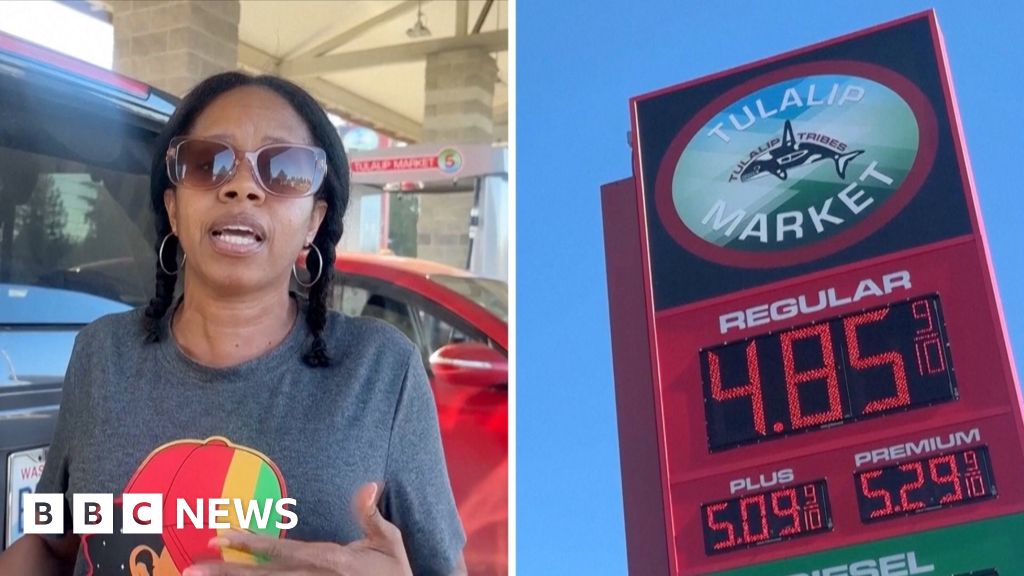
Sovereign tax exemptions allow tribal stations to bypass state excise levies, creating a persistent price advantage that forces off-reservation retailers.
Continue with
The Economics of Tribal Fuel Pricing
American drivers are increasingly seeking out gas stations located on Native American reservations to secure lower prices at the pump. These locations offer fuel at rates that frequently undercut off-reservation competitors, driven primarily by specific tax exemptions that apply to transactions within tribal boundaries.
State and federal governments generally impose motor fuel taxes to fund infrastructure projects and public services. However, the sovereign status of tribal lands often creates a unique pricing environment. Because these regions operate under distinct legal frameworks, they are frequently exempt from the state-level excise taxes that inflate the cost of petrol elsewhere.
Competitive Price Differentials
For consumers managing rising transportation costs, the savings per gallon can be substantial. While a standard service station must factor state taxes into their retail price, tribal retailers have more flexibility to pass these savings directly to the driver. This creates a clear value proposition for motorists living near reservation borders.
Factors Influencing Fuel Costs
- State Excise Tax Exemptions: Tribal retailers avoid the standard state-level levies that apply to off-reservation stations.
- Operational Independence: Tribal governments set their own tax and regulatory policies, allowing for competitive pricing structures.
- Consumer Demand: High traffic volume at reservation stations often allows for consistent pricing strategies that rival major retail chains.