The Refund Order Under Appeal
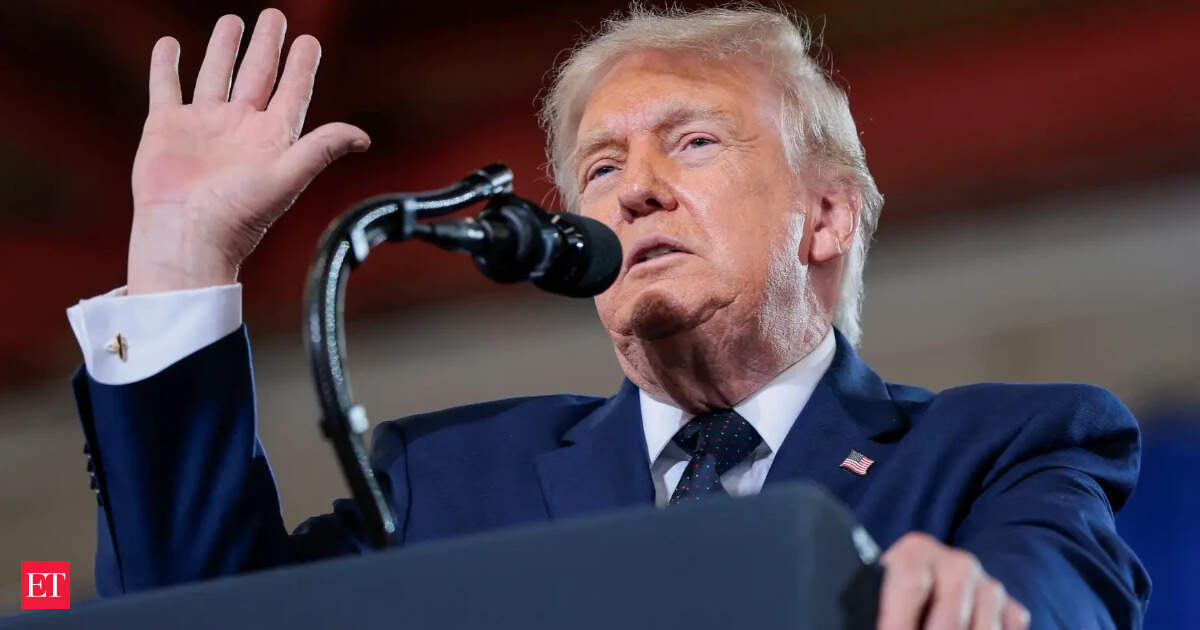
Former President Donald Trump plans to appeal a court order that would allow all importers who paid struck-down tariffs to seek refunds. The order, if upheld, could force the U.S. government to return billions in duties collected under tariff actions that courts later ruled unlawful. The appeal introduces a new layer of legal uncertainty for companies that had begun preparing refund claims.
The simple read: importers that paid tariffs on goods from China and other targeted countries under the Trump-era Section 301 and Section 232 actions may have a path to recover those costs. The better market read: the appeal means the timeline for any refunds extends by months or years, and the final scope of eligible claimants remains in doubt. Companies that booked refunds as receivables on their balance sheets face write-down risk if the appeal succeeds.
What the Order Actually Does
The order being appealed is not a final judgment on the merits of the tariff program. It is a procedural ruling on whether importers who paid under protest can seek refunds through the Court of International Trade. The appeal challenges the standing of importers who did not file timely protests. Many companies missed the 90-day statutory protest window after each duty payment, and the order would have opened the door for those late claimants.
Sector Exposure and Balance Sheet Risk
Retail and Consumer Goods
Large importers of consumer electronics, apparel, and furniture paid the highest effective tariff rates under the 2018–2019 actions. Retailers such as Walmart (WMT), Target (TGT), and Home Depot (HD) sourced heavily from China and absorbed or passed through tariff costs. If refunds are ultimately denied, those companies lose a potential cash windfall that analysts had begun modeling into earnings estimates.
The better read: each retailer's exposure depends on how aggressively they booked refund receivables. A company like Walmart with thin margins and massive import volumes may have already baked a partial recovery into its working capital forecasts. A negative appeal ruling would force a write-down of those receivables, compressing margins in a quarter where same-store sales already face pressure from consumer spending shifts.
Industrial and Manufacturing
Manufacturers that imported steel, aluminum, and machinery components under Section 232 tariffs also paid significant duties. Companies like Caterpillar (CAT) and Deere (DE) faced higher input costs. The refund order would have provided a direct offset to those expenses. The appeal puts that offset at risk.
Key insight: For industrials, tariff refunds are not a core earnings driver, they are a one-time cash event. The appeal's outcome affects free cash flow calculations but not operating fundamentals. Traders should watch for 10-K and 10-Q disclosures of contingent refund assets – a quiet footnote change often precedes a big stock move.
Agricultural Importers
Agricultural goods imported from China, such as food ingredients and packaging, were subject to retaliatory tariffs. While less directly affected by the original Section 301 tariffs, some importers paid duties under the broader trade war framework. The appeal's outcome will determine whether those payments are recoverable.
Legal Timeline and Mechanism
The appeal will be heard by the U.S. Court of Appeals for the Federal Circuit. A ruling could take six to twelve months. If the government loses, it may petition the Supreme Court. The process could extend into 2026 or beyond.
What Would Reduce the Risk
- The appeals court upholds the order, allowing refund claims to proceed. That would trigger a wave of filings by importers and likely a settlement program from U.S. Customs and Border Protection.
- The government declines to seek Supreme Court review. That would accelerate the refund process and reduce uncertainty.
- Congress passes legislation explicitly authorizing refunds for all affected importers – a low-probability outcome in the current session.
What Would Make It Worse
- The appeals court reverses the order, limiting refunds to only those importers who filed formal protests within the statutory window. That would exclude the bulk of potential claimants.
- The Supreme Court agrees to hear the case and rules against importers. A high-court loss would effectively close the refund window for good.
- The government uses the appeal delay to argue that refunds would disrupt federal fiscal policy – a weak legal argument, likely to influence the court's framing.
Affected Assets and Market Signals
Stocks
Import-heavy retailers and manufacturers are most exposed. The SPDR S&P Retail ETF (XRT) and Industrial Select Sector SPDR Fund (XLI) could see sector-wide moves if the appeal outcome shifts refund expectations. Individual stock moves will depend on each company's disclosed tariff exposure and whether they have booked refund receivables.
Practical rule: When a company discloses a contingent refund asset, check the size relative to net income. A receivable equal to 10% of annual net income is a material binary event. A 2% receivable is noise.
Currency and Trade Policy
The appeal does not directly affect the dollar or trade policy. A prolonged legal battle keeps tariff uncertainty alive. That uncertainty may weigh on business investment decisions for companies that rely on cross-border supply chains. The same uncertainty also suppresses capital expenditure guidance, which feeds into GDP forecasts and by extension the dollar's risk premium.
Bond Market
No direct impact. If refunds are ultimately paid, the fiscal outflow could modestly affect Treasury issuance expectations. The effect would be small relative to overall federal spending – probably less than 0.1% of annual deficits – so bond traders should treat this as a non-event.
What Would Confirm or Weaken the Setup
Confirming signals: A court ruling that explicitly affirms the right of all importers to seek refunds, or a government decision not to appeal further. Watch for amicus briefs from trade associations and major importers – a wave of support for the refund order would signal that corporate legal teams expect a favorable outcome.
Weakening signals: A narrow ruling that limits refunds to importers who filed protests within 90 days of payment. Many companies missed that window. Also watch for legislative efforts to block refunds – if Congress moves to prohibit tariff refunds, the legal risk rises.
Practical Framework for Traders
Do not assume refunds are coming. The appeal introduces binary legal risk. For companies that have already disclosed tariff refund receivables, the stock price may already reflect a partial probability of recovery. A negative appeal ruling could trigger a de-rating. For companies that have not disclosed such receivables, the upside from a positive ruling is smaller still.
Bottom line for traders: The appeal makes tariff refunds a tail risk, not a base case. Position sizing should account for the possibility that refunds never materialize. Monitor the Federal Circuit docket for oral argument dates and any government settlement signals.
For broader context on how trade policy affects equity markets, see our stock market analysis and the best stock brokers guide for executing trades around policy events. Also read Cannot generate article without source for methodology notes on event-driven coverage.