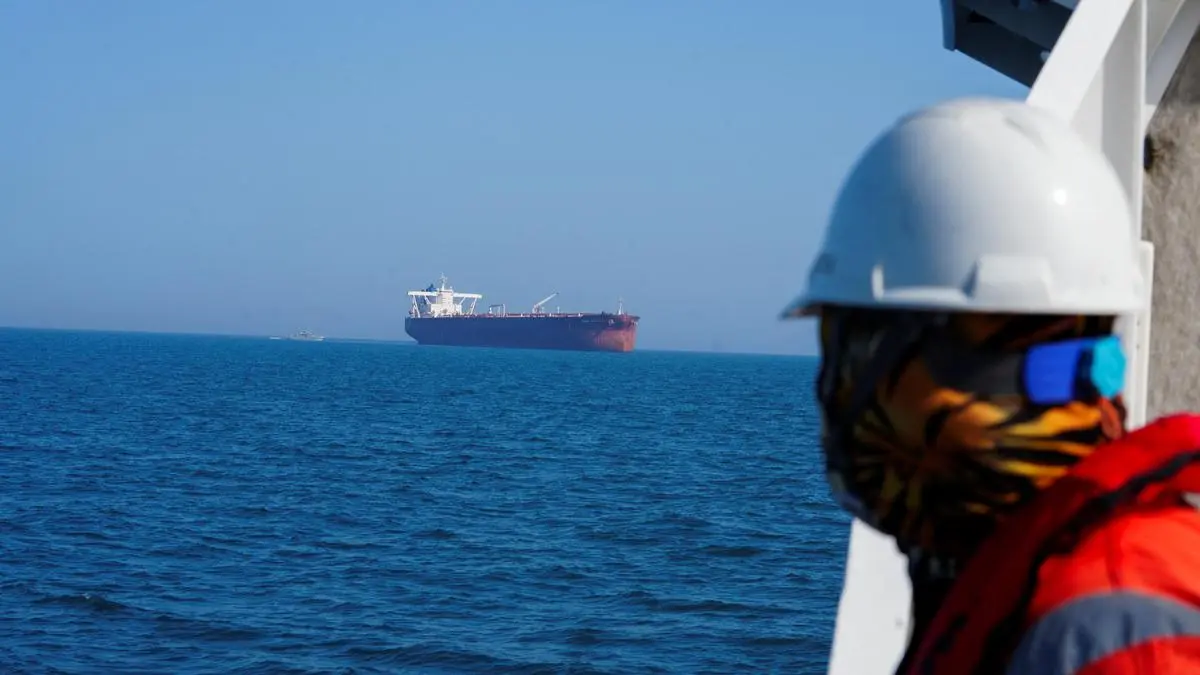
The movement of an eight-vessel tanker convoy through the Strait of Hormuz on Saturday marks a critical juncture for energy logistics in the region. This transit occurs against the backdrop of persistent navigation restrictions and ongoing diplomatic efforts to secure a temporary ceasefire. The ability of these vessels to navigate the chokepoint provides a tangible test of whether current geopolitical tensions are beginning to yield to operational necessity.
Operational Constraints and Transit Dynamics
The presence of this specific convoy highlights the precarious balance between maritime security and the global flow of energy commodities. For ship owners and operators, the decision to proceed through the Strait is tied to the hope that Tehran will permit the exit of vessels currently held or restricted within the area. This transit serves as a primary indicator for broader supply chain stability, as the Strait remains a vital artery for global oil and gas markets. The successful passage of these eight tankers suggests a potential, albeit fragile, window for de-escalation in maritime traffic management.
Sector Read-Through and Energy Logistics
Energy markets remain sensitive to any disruption in the Strait of Hormuz, as the volume of daily throughput directly influences global price discovery. When maritime corridors face uncertainty, the immediate impact is often seen in insurance premiums and the rerouting of fleets, which adds significant time and cost to global energy delivery. Investors monitoring stock market analysis should note that the easing of these restrictions would alleviate pressure on tanker operators who have been forced to navigate under extreme operational constraints. The sector is currently pricing in a high degree of volatility, and the normalization of transit routes is a prerequisite for stabilizing long-term freight rates.
AlphaScala Data and Market Context
Market participants often look to broader technology and industrial benchmarks to gauge how supply chain stability impacts valuation. For instance, companies like ON Semiconductor Corporation with an Alpha Score of 40/100, Amer Sports, Inc. at 47/100, and AGILENT TECHNOLOGIES, INC. at 55/100 operate within sectors that rely on the predictable movement of goods and components. While these firms are not directly tied to tanker logistics, the macro environment created by maritime security directly influences their input costs and distribution timelines. The current situation in the Strait of Hormuz remains a primary variable in the Volatility Outlook: Assessing the 60-Day Liquidity Horizon.
The next concrete marker for this narrative will be the status of subsequent vessel requests for transit clearance. If this convoy successfully reaches its destination without further incident, it may signal a shift toward more predictable maritime operations. Conversely, any new detention or restriction imposed on following vessels would confirm that the current transit was an isolated event rather than a broader policy change. Observers should monitor upcoming vessel tracking updates to determine if this movement represents a sustained trend or a temporary reprieve in regional maritime tensions.