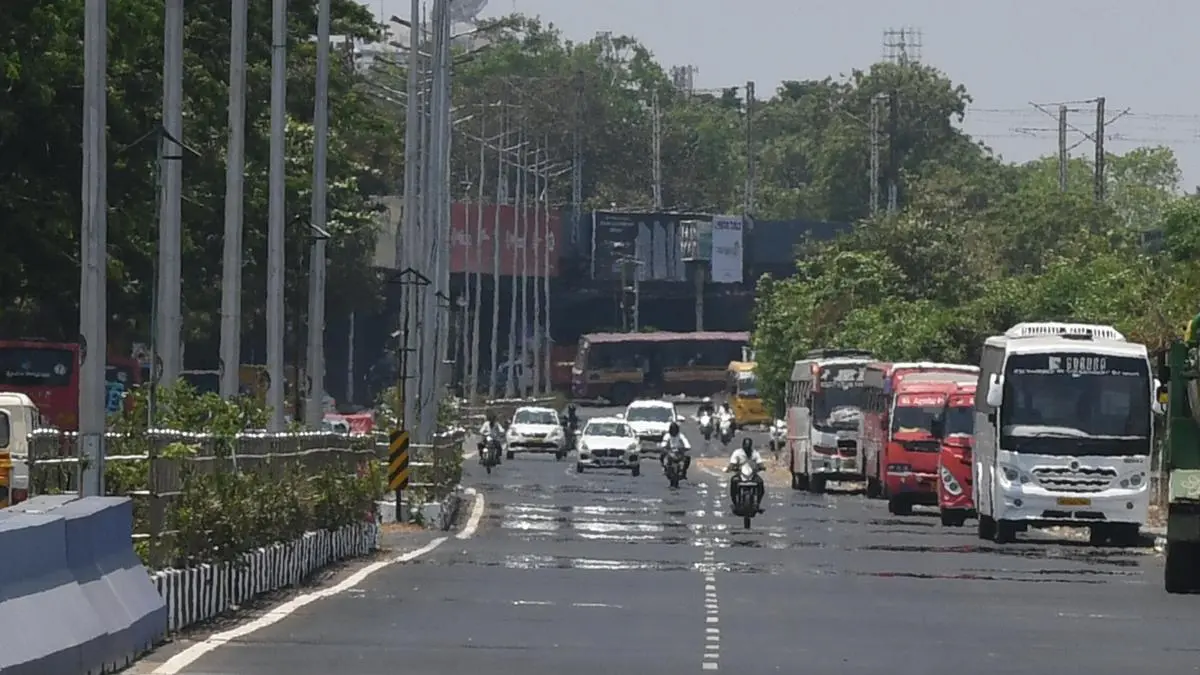
Temperatures in Tamil Nadu remain 2-3 degrees Celsius above normal through May 5. High humidity levels are expected to strain regional power grids and labor.
A persistent heatwave across Tamil Nadu is set to continue through May 5, as meteorological conditions keep regional temperatures between 2 and 3 degrees Celsius above seasonal norms. The ongoing weather pattern is compounded by high humidity levels, which significantly increase the physiological strain on the local population and regional infrastructure.
The sustained high temperatures create immediate pressure on power grids as residential and commercial cooling demand spikes. In regions where agricultural output remains sensitive to extreme thermal stress, the prolonged heatwave threatens to disrupt crop yields and increase water consumption requirements. Local logistics and outdoor labor sectors face operational constraints as safety protocols necessitate reduced activity during peak daylight hours.
The combination of elevated heat and humidity limits the ability of the environment to cool down overnight, preventing a reset for energy-intensive systems. This creates a cumulative effect on utility providers that must manage peak load capacity without the relief of typical evening temperature drops. The current forecast suggests that the intensity of the heat will remain consistent until the May 5 cutoff, leaving little room for infrastructure recovery.
Market participants tracking regional economic activity should monitor utility consumption reports and agricultural output data following the May 5 expiration of this heatwave. The primary concern remains whether the sustained thermal stress leads to localized supply chain interruptions or if grid stability measures prove sufficient to handle the elevated demand. Future updates from regional meteorological bureaus will serve as the next indicator for potential extensions to these weather alerts or shifts in local industrial output expectations.
AI-drafted from named sources and checked against AlphaScala publishing rules before release. Direct quotes must match source text, low-information tables are removed, and thinner or higher-risk stories can be held for manual review.