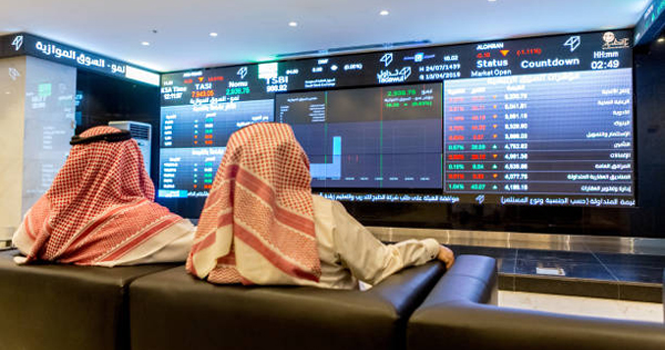
A negotiated deal worth SAR 2.3 million on Tabuk Cement Co. crossed the TASI tape on Wednesday, June 3. The transaction, executed as a pre-arranged block trade outside the regular order book, shifts a single shareholder’s position at an agreed price. For traders tracking Saudi equities, the size and nature of the deal raise a key question: Who moved, and at what price relative to the last trade?
Why the Block Trade Matters
Negotiated deals on the Saudi Exchange often signal institutional repositioning, insider sales, or the start of strategic accumulation. The SAR 2.3 million value is modest relative to Tabuk Cement’s market capitalization. The mechanism–a pre-arranged block–means the trade likely bypassed the open market to avoid price impact. That alone suggests a specific counterparty needed to transact without triggering slippage.
The negotiated price typically deviates from the last traded price. Without a disclosed premium or discount, investors cannot yet judge whether the transfer was done at a favorable rate. Tabuk Cement’s disclosure filing may clarify the identity of the seller and buyer, a standard requirement for large negotiated trades on TASI under Capital Market Authority rules.
Tabuk Cement and the Saudi Cement Sector
Tabuk Cement operates in a region tied to major projects in the northern province. The Saudi cement sector has been characterized by oversupply and price competition. Recent government spending on infrastructure and real estate has started to absorb excess capacity. A block trade occurring now suggests that at least one large investor sees value at current valuations–or conversely, that an existing holder decided to exit before a softer earnings quarter. Without the price details, the directional signal remains ambiguous.
The next quarterly earnings release will be the first data point to test the trade’s timing. If the buyer was a long-term institutional holder, the stock’s volume profile may show continued accumulation. If the seller was an insider, the trade could precede a negative guidance revision.
Next Decision Point: Tadawul Disclosure
The immediate catalyst now shifts to the Tadawul disclosure that will accompany this trade. Track the transaction price relative to Tabuk Cement’s last closing price. A discount would imply a motivated seller; a premium signals a buyer willing to pay up for a block. Either scenario creates a trading decision: if the deal was done at a premium, it could anchor support. If at a discount, the open market may reprice downward to match.
For traders building a watchlist on TASI, today’s deal adds a micro-event worth monitoring. The Saudi cement sector’s correlation with Saudi Bank Loans Hit SAR 3.48 Trillion – Sector Readthrough further suggests liquidity is flowing into infrastructure-linked names. As institutional activity picks up, block trades like this become early indicators of where capital is rotating next.