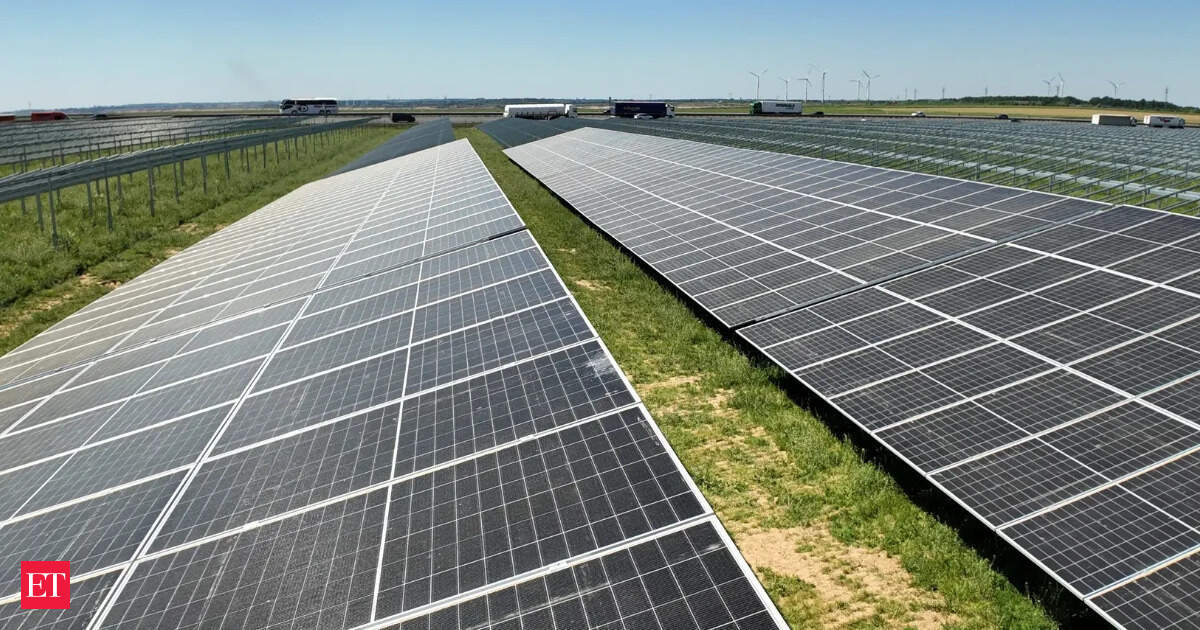
Sunkonnect has launched a multi-year initiative to reduce carbon dioxide emissions by 15% across educational institutions in India. The strategy centers on a massive deployment of solar rooftop infrastructure, with plans to install systems across more than 5,000 schools. This project represents a significant shift in how private energy providers approach the institutional sector, moving beyond simple utility contracts toward comprehensive campus sustainability management.
Operational Scope and Infrastructure Integration
The initiative targets a total reduction of 34 million tonnes of CO2 over a four-year period. Beyond the installation of solar arrays, the company is integrating a broader suite of energy management services into its institutional partnerships. These services include:
- Comprehensive energy audits to identify consumption inefficiencies.
- Large-scale LED lighting upgrades to reduce baseline electricity demand.
- Implementation of standardized waste management protocols to support net-zero campus goals.
By bundling these services, Sunkonnect is positioning itself as a full-service provider for institutional energy transitions. This approach allows the firm to capture value across multiple segments of the campus energy budget rather than relying solely on solar hardware sales. The integration of audits and waste management suggests a focus on long-term service contracts that provide recurring revenue streams alongside the initial capital expenditure of rooftop installations.
Sectoral Read-through and Institutional Demand
The move highlights a growing trend of private sector involvement in the decarbonization of public and private educational infrastructure. As institutions face increasing pressure to meet sustainability mandates, the demand for turnkey solutions that combine generation with efficiency upgrades is rising. This project serves as a test case for whether decentralized solar models can achieve scale within the fragmented educational sector.
For investors monitoring the broader stock market analysis, the success of this rollout will depend on the company's ability to manage the logistics of 5,000 individual site installations. The capital intensity of such a project is high, and the timeline for realizing the 15% reduction target will be a primary indicator of operational efficiency. While technology firms like those tracked on the NOW stock page often focus on digital transformation, Sunkonnect is betting on physical infrastructure as the primary driver for institutional sustainability.
AlphaScala Data and Future Markers
AlphaScala currently tracks various technology and infrastructure entities with mixed sentiment, including ON stock page and NET stock page. These firms operate in different segments of the tech stack, but all face similar pressures regarding energy consumption and ESG-related capital allocation. Sunkonnect's progress will be measured against its stated four-year timeline. The next concrete marker for this initiative will be the release of the first-year audit results, which will confirm whether the projected emission reductions are tracking toward the 15% goal or if the installation pace requires adjustment.