Stocks● Neutral
Substack TV App: Can 90% Revenue Share Beat YouTube Juggernaut?
Substack's video push faces YouTube dominance and interactive TV's history of failure. 90% revenue share tempts creators, but distribution and funding gaps remain. Next 12 months determine viability.
Continue with
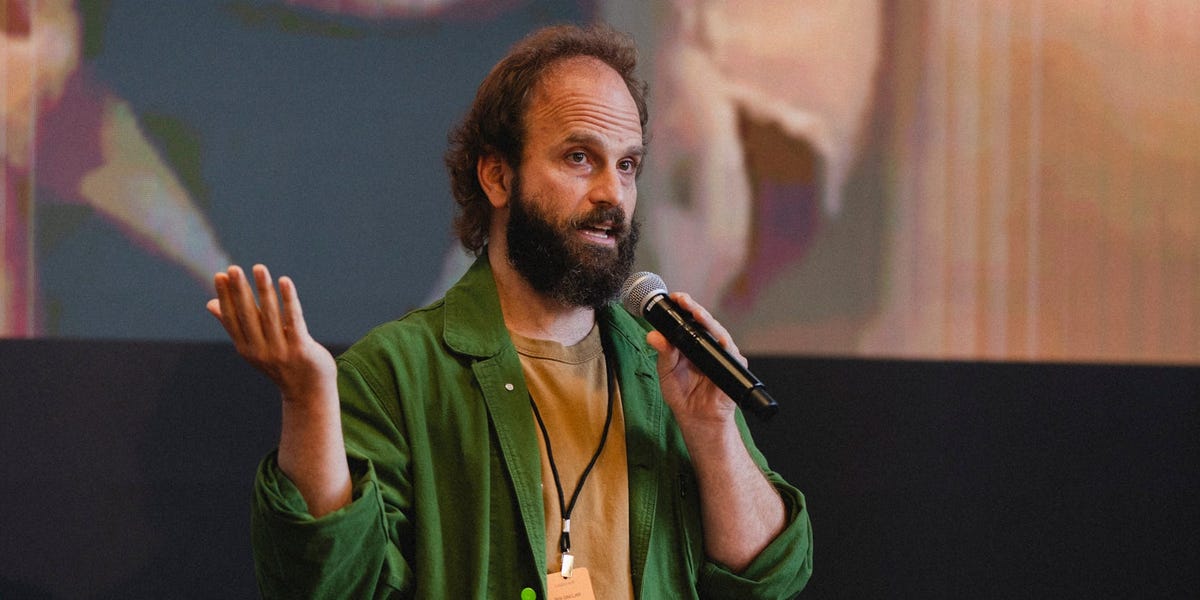
Substack launched a TV app in January, and cofounder Hamish McKenzie is pitching it as the platform's entry into original video series. At Substack's "The Once and Future Media Forum" in New York, McKenzie pointed to Ben Sinclair, creator of HBO's "High Maintenance," whose new project "The SUR Experience" lives entirely on Substack. The vision: users subscribe to channels, studios, or independent filmmakers, consuming video alongside podcasts and written posts with built-in commenting and live chats.
McKenzie told Business Insider the shift is "already happening." The platform's video push began last year with a live video feed and the arrival of former CNN anchor Jim Acosta. Substack now wants to evolve beyond newsletters into a home for interactive television.
The 90% Revenue Share Math: Generous or Misleading?
Substack's core pitch to video creators is the revenue split: 90% of subscription revenue stays with the creator. McKenzie emphasized that show makers would keep earning from their community even after a series ends. "The show makers would be continuing to make the money from those subscriptions, and they'd be keeping the 90% of the revenue," he said.
Substack is funding some production costs to seed the ecosystem. Caroline Chambers, Substack's top food creator, is launching a cooking show with Substack covering part of the production. The platform also connects creators with production crews. McKenzie described Substack as an infrastructure provider, not a studio. "We see ourselves as providing infrastructure," he said. "We're not editorially in control. We don't own anything."
The HBO Comparison Cuts Both Ways
McKenzie contrasted Substack's model with traditional TV's half-hour episodes funded by 30-second ads. He pointed to the original "High Maintenance" episodes, which varied from a few minutes to 15 minutes, as a template. The comparison also highlights the scale gap. HBO's "Succession" had an estimated production budget of about $90 million per season, according to TheWrap. Substack is not offering that kind of upfront financing to most creators.
Brandon Katz, an entertainment strategist at Greenlight Analytics, said Substack's opportunity is to help creators "deepen and embolden paid audience relationships through another medium, which is video." The open question is whether a 90% revenue share compensates for the lack of distribution muscle and production funding.
Interactive TV's Unbroken Curse of Failures
McKenzie envisions a lean-forward television experience. He imagines a series like "Succession" on Substack: "There'll be people in the comments every show, there'll be live chats all the time about it. There'd be behind-the-scenes Substack lives going on every so often."
The concept of interactive TV has been tried repeatedly without a breakthrough. "Media has been trying to get interactive TV right for years, and nobody has quite nailed it yet," Katz said. Television is a lean-back medium by consumer preference. Asking viewers to comment, chat, and engage during a show adds friction that most streaming services have avoided.
Will Subscribers Stick Around After the Show Ends?
McKenzie's argument that creators can keep earning from subscriptions after a series ends assumes that subscribers remain engaged. That is unproven. If a creator finishes a show, the community may drift to the next creator rather than continue paying. Substack's model depends on creator loyalty, not platform stickiness. The platform's pitch of community monetization after a show ends is untested at scale.
The YouTube Goliath: Distribution Trumps Everything
Substack's biggest structural obstacle is YouTube. YouTube is the top streaming service on TVs in the US, and it is aggressively pitching advertisers for TV budgets. Creators like Kareem Rahma, the "Subway Takes" creator, already treat YouTube as television. "You go home, you sit on your couch, you open the YouTube app, and you watch this television show the same way that you would any other television show," Rahma said at a premiere for his new YouTube show.