Stocks● Neutral
Substack Cofounder Says Fast Progress on Publisher Tools After Ankler Exit
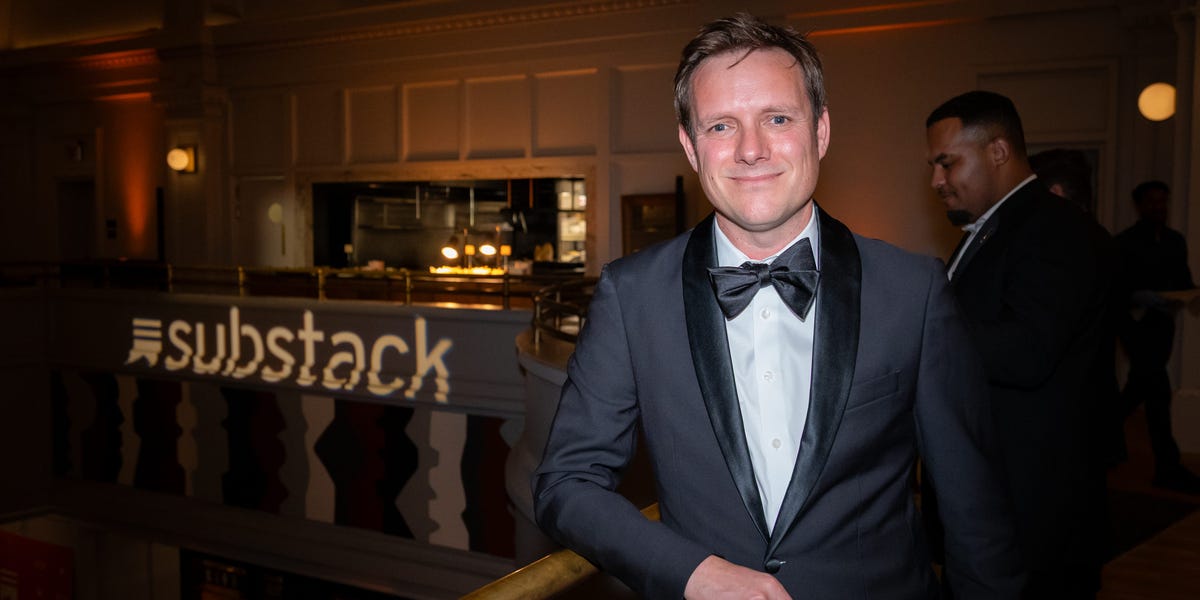
McKenzie details sponsorship marketplace and generalized features from The Free Press pilot. Substack aims to retain larger media companies after The Ankler defected to Passport.
Continue with
Substack lost one of its flagship publications, The Ankler, to a competing platform built by Automattic and Stratechery founder Ben Thompson. The cofounder of the newsletter company now says the platform is accelerating work on features designed for larger publishers, including a sponsorship marketplace and custom branding tools.
Hamish McKenzie, speaking Thursday at Substack's New York media conference, said the company learned “a hell of a lot” from a pilot with Bari Weiss-led The Free Press. That 2022 pilot gave the publication a metered paywall, analytics tools, and a customized brand presence. Substack is now generalizing those features so that other publishers with multiple editors, writers, video, and community features can use them. “We're making really fast progress on it,” McKenzie said.
The Ankler, which covers Hollywood, cited a need for display advertising and more control over its business model when it left for Passport. Substack does not offer display ads. McKenzie acknowledged that some publishers want a visually distinctive brand “to help them distinguish themselves in the marketplace and not be seen as just another Substack.”
The Ankler Departure and the Publisher Gap
The Ankler’s departure is the most visible sign that Substack’s original model – a flat commission on subscriptions with no ad inventory – can be a ceiling for professional media companies. The Hollywood-focused publication had grown beyond the solo-writer template that Substack was built around. It wanted display advertising, a feature that rivals like Beehiiv and Ghost offer with flat-fee pricing.
McKenzie framed the loss as a feature gap rather than a strategic mismatch. He said Substack is developing tools for higher-volume publishers. The company is not abandoning the solopreneur base, it is widening the funnel to capture media startups that want to scale without migrating platforms.
What The Free Press Pilot Proved
The Free Press pilot began in 2022 and gave the publication its own visual identity inside the Substack ecosystem. Substack built a metered paywall, custom analytics, and branding controls that are not available to standard newsletters. McKenzie said other publishers have expressed interest in the same kind of customized presence. The company is now packaging those features into a broader toolset.
Key insight: Substack’s pilot with The Free Press moved from a bespoke fix to a configurable product. That shift signals a deliberate expansion beyond the single-author model that defined its early growth.