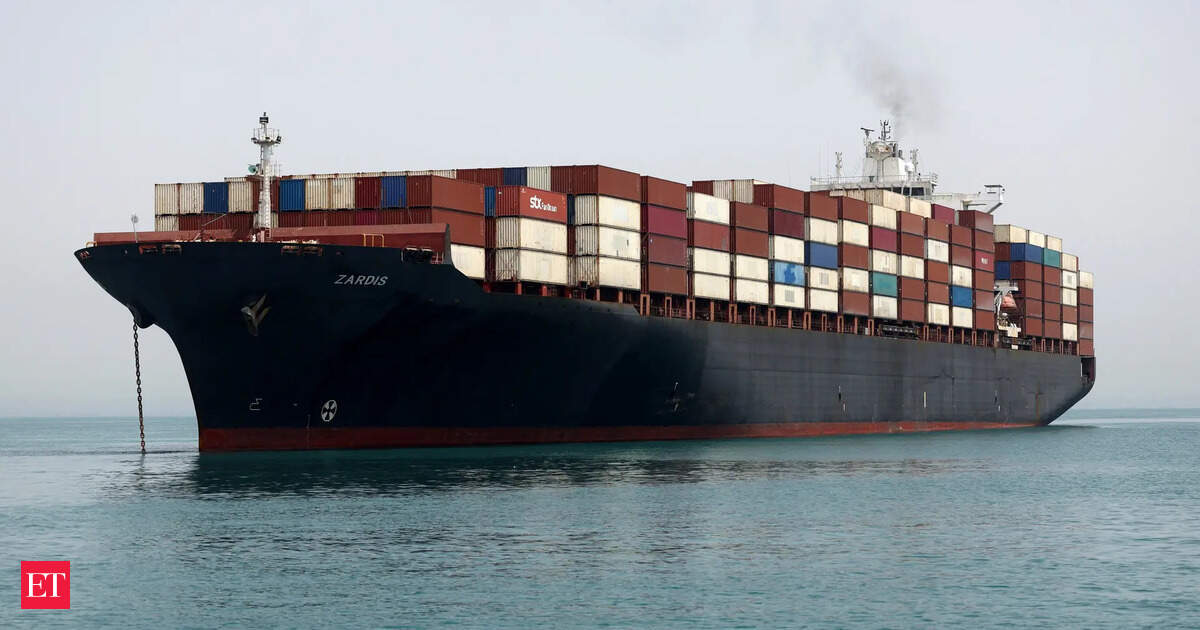
US naval advisories are lifting ship transits through the Strait of Hormuz, signaling a potential easing of geopolitical risk for oil and shipping markets if a US-Iran deal follows.
Ship transits through the Strait of Hormuz are rising after US forces began providing navigational advice to vessels. The increase, which includes some ships running with satellite transponders off, points to a potential recovery in trade flow through the world's most important oil chokepoint. The shift reflects growing optimism that a broader reopening of shipping routes may follow a US-Iran deal.
The catalyst is straightforward: the US Navy is now actively helping commercial ships navigate the Strait safely. This advisory role reduces the risk of interception, boarding, or harassment by Iranian patrols. The fact that some transits are occurring with AIS transponders disabled – a common practice to avoid tracking – signals that owners and charterers are willing to accept certain operational risks when they see a lower probability of escalation.
For traders, the immediate read is that the risk premium embedded in tanker rates and war risk insurance is being tested. If transits continue to rise over the next several weeks, the market will begin pricing in a normalization of Strait of Hormuz logistics. That would directly undercut the spike in freight costs and insurance surcharges that followed earlier tensions.
The simple interpretation is that safer passage is good for oil supply and shipping margins. The better market read is more nuanced. A sustained increase in transits would mean crude oil flows from the Persian Gulf face fewer constraints. That could compress the Brent-WTI spread and weaken the backwardation that has supported near-term crude futures. For tanker owners, a return to normal routing would reduce the demand for longer alternative routes around the Cape of Good Hope, which have kept tonne-mile demand elevated.
On the insurance side, war risk premiums for vessels calling at ports like Bandar Abbas or Basra would likely fall. That lowers the cost structure for tanker operators and could encourage more spot fixtures. The mechanism is self-reinforcing: more transits → lower perceived risk → more transits.
Confirmed by: sustained daily transit counts from Lloyd's List or the US Fifth Fleet. If the trend holds for two to three weeks, the market will internalize the signal. Weakener: a single Iranian interdiction event or a breakdown in US-Iran negotiations. The deal itself is the larger catalyst; the naval advice is a tactical enabler.
For traders building a watchlist, the key question is whether the US-Iran deal progresses. Any statement from the State Department or the IAEA about enrichment or sanctions relief would move the probability. Shipping and oil stocks that priced in a full Strait closure are the most exposed to a reversal.
A final paragraph: the next decision point comes with the next monthly transit report from the US Energy Information Administration or the Suez Canal Authority (for regional spillover). If the trend holds, expect a repricing of war risk clauses in tanker charter parties. If it reverses, the trade becomes a contrarian bet on renewed risk.
Prepared with AlphaScala research tooling and grounded in primary market data: live prices, fundamentals, SEC filings, hedge-fund holdings, and insider activity. Each story is checked against AlphaScala publishing rules before release. Educational coverage, not personalized advice.