Strait of Hormuz traffic nearly stops after US airstrikes
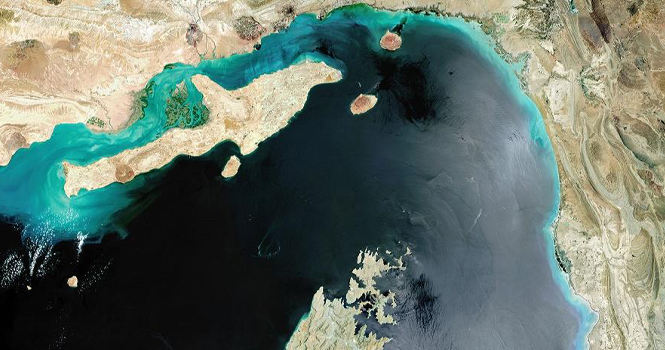
Only one US-licensed VLCC and one Iranian container ship crossed the Strait of Hormuz on Thursday. Oil prices rose 2.5% after the news. War-risk premiums have tripled since the start of the month.
NEWS CORP currently carries an Alpha Score of n/a, giving AlphaScala's model a neutral read on the setup.
Shipping traffic through the Strait of Hormuz slowed to a near standstill on Thursday, after the United States carried out airstrikes on Iran for a second day. Only one US-licensed very large crude carrier departing the Arabian Gulf was observed transiting the strait, alongside an Iranian-flagged container ship, according to vessel tracking data reviewed by maritime security firms.
The strait handles roughly 20% of the world's oil supply. A prolonged disruption would push crude prices higher and force tanker owners to reroute around the Horn of Africa, adding weeks to voyages and raising insurance premiums. The VLCC and the container ship were the only two large vessels seen crossing the chokepoint during the observation window. That is a sharp drop from the typical daily flow of 15 to 20 tankers.
US airstrikes targeted Iranian military positions near the coast of the Persian Gulf, the Pentagon said. Iran has not yet retaliated militarily. The country's navy has previously threatened to close the strait in response to American strikes. The US Navy's Fifth Fleet, based in Bahrain, said it was maintaining a presence in the region. It declined to comment on specific shipping movements.
Tanker owners have been reducing their exposure to the region for weeks. War-risk insurance premiums for vessels transiting the strait have tripled since the start of the month, according to London-based brokers. Some ship operators have already instructed their captains to avoid the area entirely, waiting for instructions from charterers.
The Iranian-flagged container ship that did cross is likely carrying non-sanctioned cargo, such as food or humanitarian supplies, analysts said. Its presence suggests Tehran is still willing to move goods through the strait. The near absence of commercial traffic signals that the private shipping industry is treating the risk as uninsurable at current rates.
Crude oil futures rose 2.5% overnight on the news. Brent touched $78 a barrel before settling near $76.50. The move was modest compared to the 8% spike seen during the 2019 attacks on Saudi Aramco facilities. Traders said the market is pricing in a more prolonged disruption rather than a one-off event.
The next catalyst is whether Iran attempts to impede a US or allied naval vessel. Iran's navy has previously conducted exercises simulating mine-laying in the strait. A single mine strike on a commercial tanker would be enough to shut down the waterway for weeks, insurers said.
Drafted by a large language model from the source reporting linked above, then screened by automated publishing checks. It is not read by a journalist before publication. Some articles cite our Alpha Score. Verify prices and figures against the original source. Educational coverage, not personalized advice.