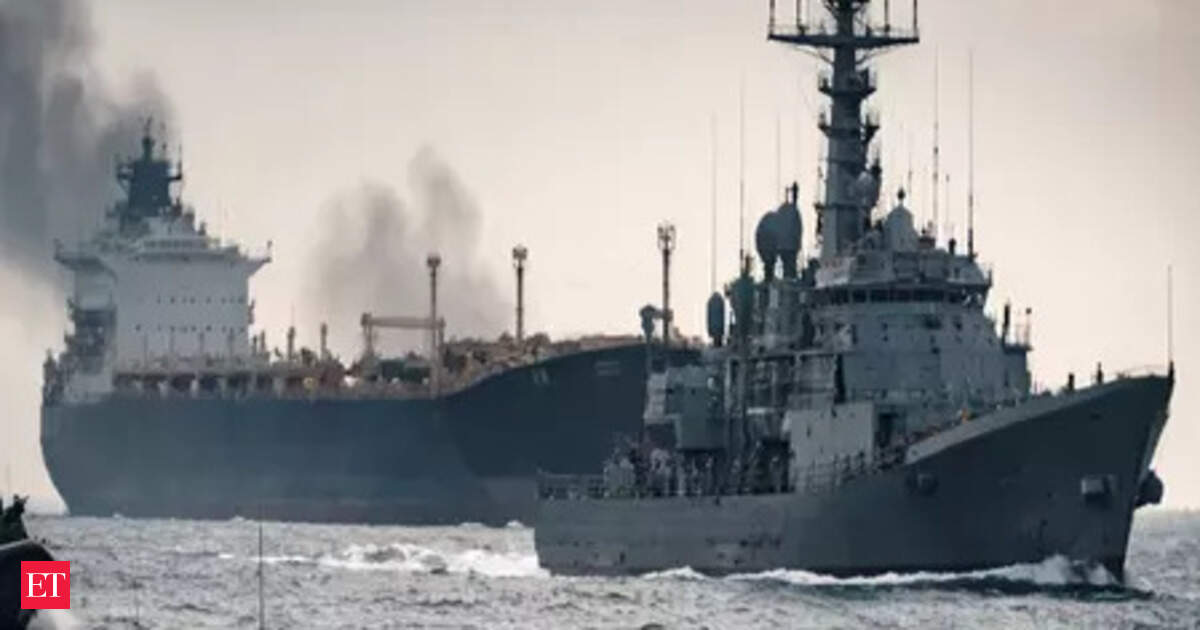
The escalation of maritime security threats in the Strait of Hormuz has shifted the focus of global energy markets toward potential supply chain disruptions. As diplomatic efforts involving Oman, Qatar, Saudi Arabia, the UAE, Iran, Israel, and the United States intensify, the primary concern remains the physical flow of crude oil through this critical chokepoint. Any sustained restriction on shipping routes threatens to decouple regional economic stability from global energy demand, forcing a reevaluation of growth projections for Gulf economies.
Energy Supply and Maritime Risk
The Strait of Hormuz serves as the primary artery for global energy exports, and current military developments have introduced a significant risk premium into crude pricing. If shipping restrictions persist, the immediate transmission mechanism will be a sharp increase in insurance premiums and freight costs for tankers operating in the region. This cost-push pressure risks inflating energy prices globally, potentially complicating the inflation outlook for major importing economies. The current diplomatic focus on mediation and ceasefire efforts reflects a collective attempt to prevent a full-scale disruption that would necessitate a shift in crude oil profile valuations.
Regional Economic Transmission
While the Gulf region has historically demonstrated resilience to geopolitical shocks, the prospect of a prolonged crisis creates a drag on non-oil sector growth. Governments are currently prioritizing regional security coordination to maintain trade continuity, but the uncertainty surrounding maritime access limits private sector investment. The risk of recession in the region is tied directly to the duration of these disruptions and the ability of diplomatic channels to secure safe passage for energy exports. As seen in other sectors, such as the resilience observed in Noble Corporation Revenue Beat Highlights Offshore Drilling Resilience Amid Macro Uncertainty, the ability to navigate supply chain volatility is now the primary determinant of corporate and sovereign performance.
AlphaScala Data and Market Context
Broader market sentiment remains sensitive to these developments, as geopolitical risk often triggers a flight to safety in assets like gold. Investors are monitoring the gold profile for signs of sustained upward momentum as a hedge against regional instability. Within the technology sector, companies with high exposure to global supply chains are also under scrutiny. For instance, ON Semiconductor Corporation currently holds an Alpha Score of 45/100, reflecting a Mixed outlook as the company navigates broader industrial demand cycles and macroeconomic headwinds. Further details on this performance can be found on the ON stock page.
The next concrete marker for the region will be the outcome of ongoing diplomatic talks and the subsequent impact on tanker insurance rates. Any failure to establish a secure maritime corridor will likely force a reassessment of global supply chain logistics and energy security frameworks. Market participants should monitor upcoming regional security summits and official statements from energy ministries for shifts in policy that could signal either a de-escalation or a further hardening of positions.