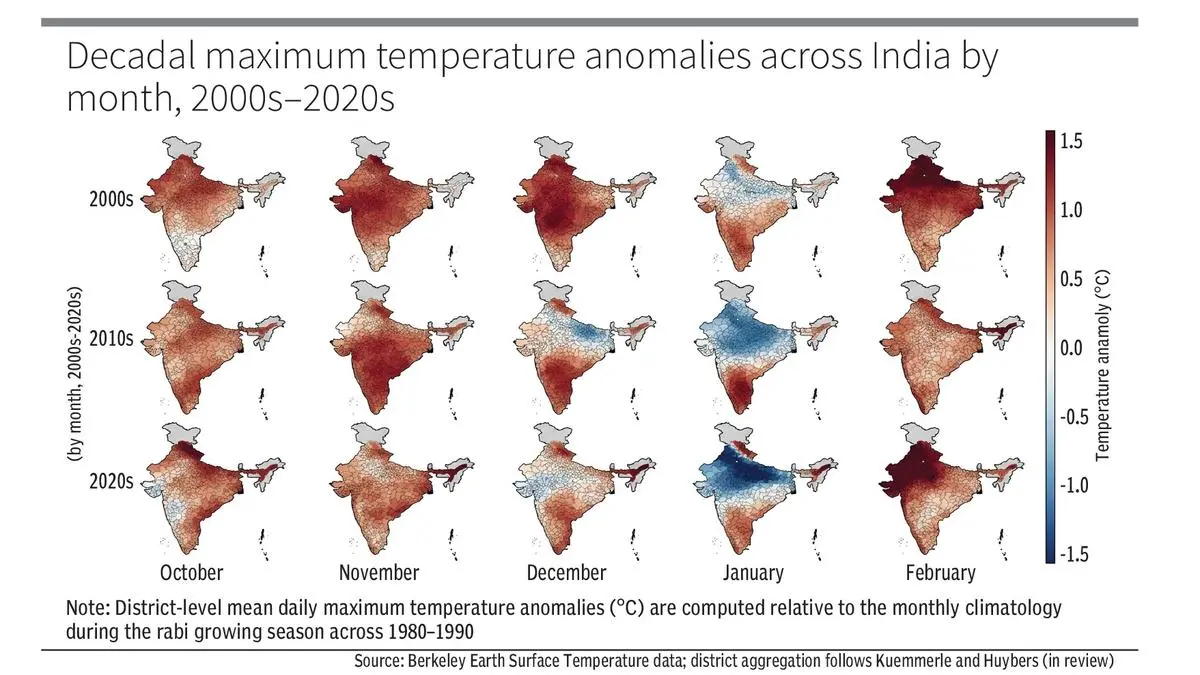
Northern India is entering a period of potential climatic volatility as shifting aerosol concentrations and evolving irrigation practices threaten to reverse recent cooling trends. While the region has historically experienced a slower warming rate compared to global averages, new research indicates that the suppression of temperature spikes is losing its efficacy. The interplay between local atmospheric pollutants and water management strategies is creating a new baseline for heat exposure that could impact regional economic stability.
Aerosol Dynamics and Irrigation Feedback
The cooling effect previously observed in Northern India was largely attributed to high concentrations of aerosols, which reflected solar radiation and provided a temporary buffer against rising temperatures. As efforts to improve air quality progress, the reduction of these particulate matters is inadvertently exposing the region to more direct solar heating. This transition is compounded by intensive irrigation practices that alter surface moisture levels. When irrigation is scaled back or becomes less effective due to shifting groundwater tables, the latent heat flux that once moderated surface temperatures diminishes. This creates a feedback loop where the loss of aerosol-based cooling and the reduction in soil moisture combine to intensify heat waves.
Sectoral Vulnerability and Economic Exposure
The intensification of these temperature spikes presents a direct challenge to the agricultural and consumer sectors that underpin the regional economy. Sustained heat stress impacts crop yields and shifts consumption patterns, forcing businesses to adapt their operational models to a more volatile climate. Companies with significant exposure to the Indian consumer market, such as those in the hospitality and service industries, must now account for these environmental variables in their long-term infrastructure planning.
Hyatt Hotels Corp (H) operates within the consumer cyclical sector, where service demand is sensitive to regional environmental conditions and travel stability. H is currently classified as Unscored within our internal tracking system. For further context on broader market shifts, investors often monitor stock market analysis to gauge how localized environmental risks translate into sector-wide performance.
AlphaScala Data Context
Our internal monitoring of the consumer cyclical sector highlights the importance of geographic diversification in mitigating climate-related operational risks. While individual firms like H remain Unscored, the broader sector is increasingly integrating climate resilience into its capital allocation strategies. The shift in Northern India's temperature profile serves as a primary indicator for firms to reassess their regional footprint and supply chain dependencies.
Investors should monitor upcoming seasonal meteorological reports and government infrastructure filings regarding water management. These documents will provide the next concrete marker for how regional authorities intend to mitigate the economic impact of these temperature spikes. The transition from a cooling trend to an intensifying heat cycle will likely necessitate adjustments in utility demand forecasts and agricultural output projections over the next several fiscal cycles.