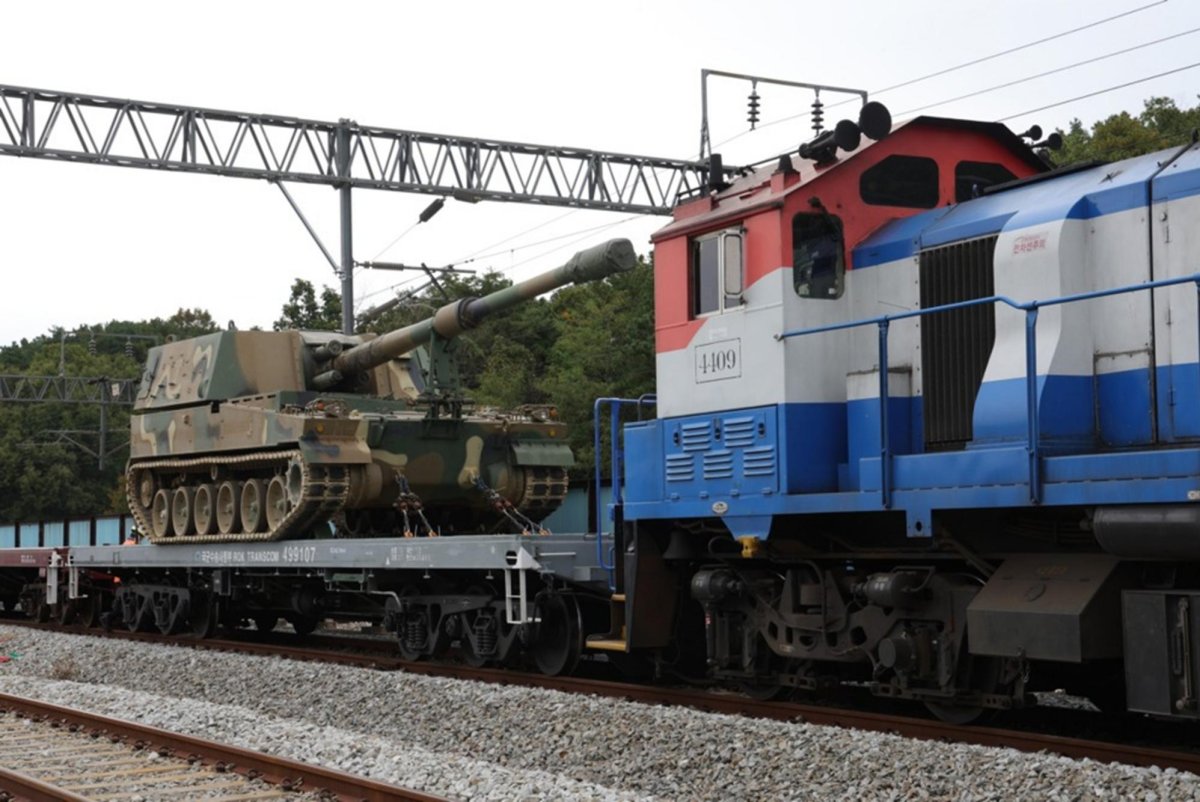
South Korea’s defense sector is encountering a structural inflection point as a string of high-profile bid failures interrupts a multi-year export boom. While the industry previously capitalized on rapid delivery timelines and geopolitical urgency, recent losses in international tenders suggest that the initial surge of demand is meeting stiffer competition and more complex procurement requirements. The shift from opportunistic sales to long-term strategic partnerships is proving difficult for domestic manufacturers accustomed to rapid, state-backed production cycles.
Structural Hurdles in Global Procurement
The recent inability to secure key international contracts highlights a transition in the global defense landscape. Potential buyers are increasingly prioritizing local manufacturing requirements, technology transfers, and long-term maintenance support over the immediate availability of hardware. South Korean firms, which built their recent success on the rapid deployment of systems like the K-9 howitzer, are now struggling to adapt to these demands for localized industrial integration. This friction is exacerbated by the logistical and regulatory complexities of scaling production to meet both domestic military drills and international delivery schedules simultaneously.
Competitive Read-throughs and Sector Valuation
The sector's reliance on state-led export initiatives has created a vulnerability to shifting diplomatic priorities and the rising influence of regional defense incumbents. As countries seek to diversify their supply chains, the aggressive pricing models that initially propelled South Korean exports are being countered by established players offering deeper industrial offsets. This competitive squeeze is forcing a re-evaluation of the sector's growth trajectory, as the market begins to distinguish between companies capable of sustained global integration and those reliant on one-off procurement cycles. Investors are now looking for evidence of successful joint-venture models that can bypass the limitations of pure export-based strategies.
AlphaScala Data and Market Context
Market participants tracking the broader consumer and industrial landscape often look toward stock market analysis to gauge how capital flows shift during periods of geopolitical uncertainty. Within our internal tracking, companies like Kellanova maintain an Alpha Score of 61/100, reflecting a moderate stability profile in the consumer staples sector, while Amer Sports, Inc. sits at 47/100 with a mixed outlook. These scores highlight the divergence between defensive staples and cyclical sectors currently navigating global supply chain volatility. The defense industry's current struggle mirrors a broader trend where industrial capacity is no longer the sole determinant of market success; the ability to navigate complex regulatory and diplomatic frameworks has become the primary differentiator.
Future market performance for the sector will hinge on the outcome of upcoming government-to-government negotiations and the ability of firms to secure long-term service contracts. The next concrete marker for the industry will be the disclosure of finalized terms in pending procurement bids, which will reveal whether South Korean manufacturers are successfully pivoting toward the localized production models required to remain competitive in the current global environment.