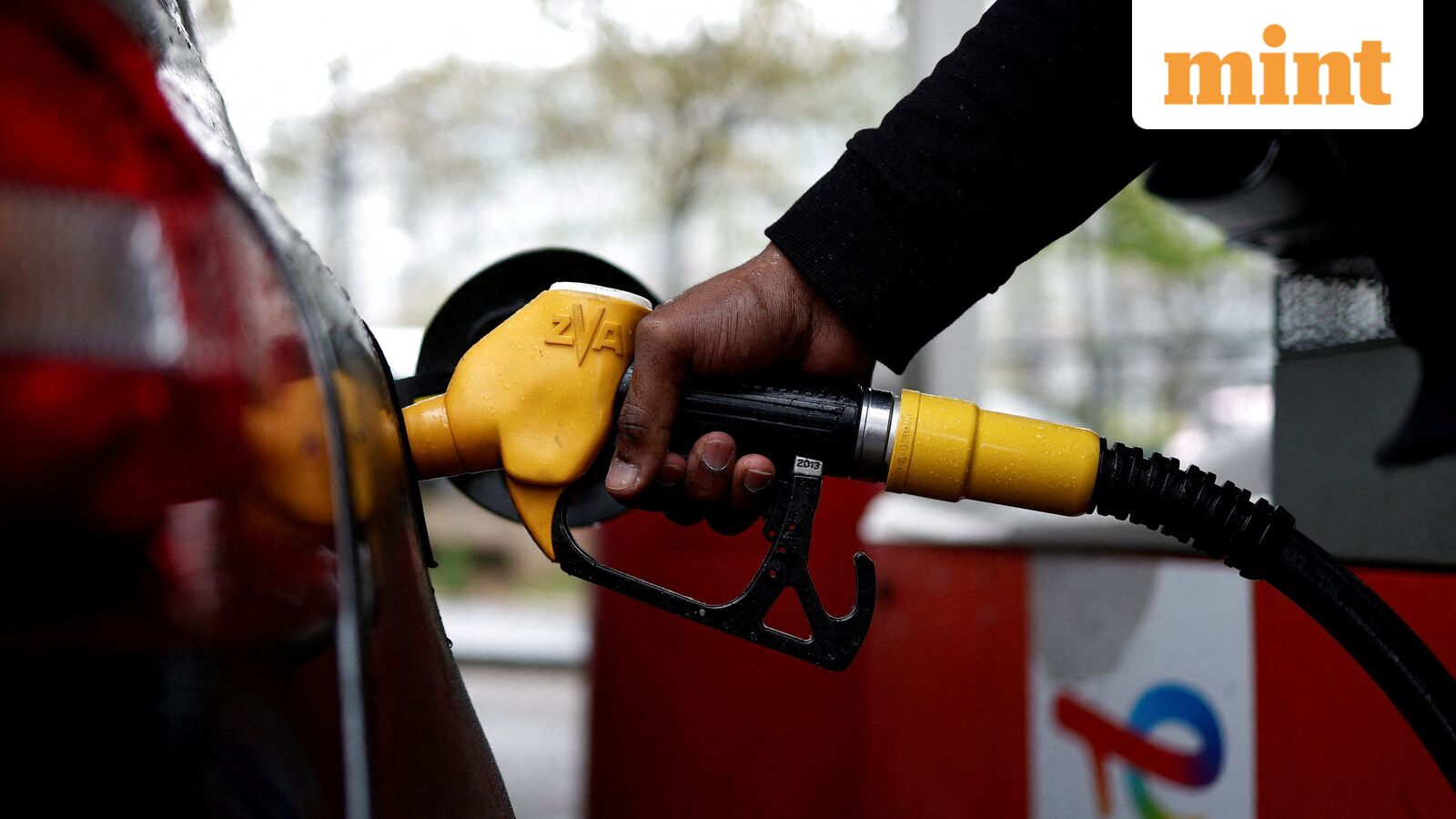
Retail petrol and diesel prices across major Indian metropolitan centers including Delhi, Mumbai, Bengaluru, Chennai, and Kolkata remained unchanged on April 19. This stability persists despite ongoing fluctuations in global crude oil benchmarks. The domestic pricing environment continues to be managed by state-run oil marketing companies, which have maintained current retail rates even as geopolitical tensions in West Asia introduce uncertainty into global energy markets.
Strategic Inventory and Supply Chain Resilience
The Indian government has signaled a focus on maintaining domestic supply security to buffer against potential regional escalations. By prioritizing the stability of retail fuel rates, authorities are aiming to mitigate the immediate inflationary impact of crude oil price swings on the broader economy. This approach relies on the strategic management of inventory levels and the diversification of import sources to ensure that domestic demand is met without sudden price adjustments at the pump.
While global markets react to the risk of supply disruptions, the domestic retail sector remains in a holding pattern. The current strategy involves:
- Monitoring the flow of crude oil through critical maritime chokepoints.
- Utilizing state-managed reserves to stabilize supply during periods of heightened volatility.
- Coordinating with oil marketing companies to absorb short-term price shocks.
Geopolitical Risk and Energy Import Dependencies
Energy security remains a primary concern for importers as instability in West Asia continues to influence global pricing. Because India relies heavily on imported crude to meet domestic demand, any significant disruption to transport routes or production facilities in the region creates a direct risk to the trade balance. The current stability in retail pricing suggests that the government is utilizing its policy levers to decouple domestic consumer costs from the immediate volatility seen in international futures markets.
For investors monitoring the energy sector, the focus remains on the sustainability of this price-capping mechanism. If global crude prices remain elevated for an extended period, the fiscal pressure on state-run oil companies may increase, potentially necessitating a shift in retail pricing policy. Understanding how these companies manage their margins during periods of high input costs is essential for assessing the health of the energy supply chain. For further context on how global energy flows are being reshaped by regional conflicts, see Geopolitical Instability Realigns Energy and Industrial Supply Chains.
AlphaScala data currently tracks ON Semiconductor Corporation (ON stock page) with an Alpha Score of 40/100, reflecting a Mixed outlook within the technology sector. While this is distinct from the energy market, it highlights the broader industrial reliance on stable input costs and predictable supply chains. For a deeper look at broader market trends, visit our commodities analysis section.
The next concrete marker for this market will be the upcoming review of retail pricing by state-run oil marketing companies. Any shift in government guidance or a sustained change in the global crude oil price floor will serve as the primary indicator for potential adjustments to domestic fuel rates.