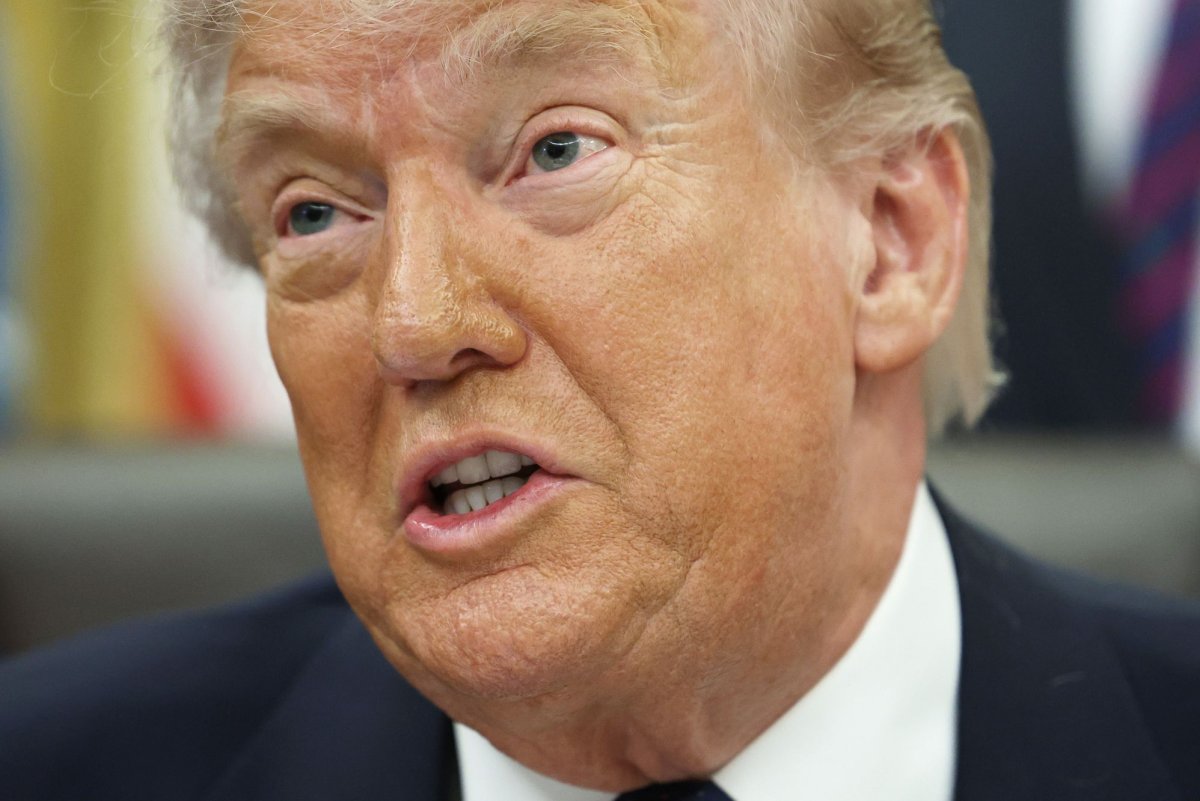
The sudden suspension of Project Freedom, announced by President Donald Trump on Tuesday night, introduces a new layer of uncertainty for global energy supply chains and maritime logistics. Launched less than 48 hours prior, the U.S. military operation was designed to escort commercial and tanker vessels through the Strait of Hormuz, a critical chokepoint that has been effectively closed by Iran since the February 28 attacks by the United States and Israel. The pause, which Trump described as temporary and contingent upon the finalization of a Pakistan-mediated agreement with Iran, shifts the immediate outlook from one of active military-led transit to a period of diplomatic negotiation.
For investors, the primary mechanism to watch is the volatility in global energy prices, which surged following the initial closure of the strait. The blockade of Iran's ports, which the U.S. military maintains remains in force, continues to constrain sea-based trade. While the administration framed Project Freedom as a humanitarian gesture—with Defense Secretary Pete Hegseth describing a "powerful red, white and blue dome" over the strait—the operational reality was that only two U.S.-flagged merchant vessels had successfully transited the area before the pause was enacted. The failure to establish a sustained, high-volume flow of the 1,550 commercial vessels and 22,500 mariners currently trapped in the Persian Gulf suggests that the risk premium on energy shipping will remain elevated.
The Geopolitical Risk Premium
The market read-through for energy and shipping stocks is tied to the durability of the fragile cease-fire between the United States and Iran. Iran has consistently accused the United States of violating the cease-fire through its maritime actions, and Foreign Minister Abbas Araghchi’s characterization of Project Freedom as "Project Deadlock" underscores the lack of a unified operational environment. If the Pakistan-mediated agreement fails to materialize, the resumption of Project Freedom could lead to further escalations in the region. Conversely, if the pause leads to a formal reopening of the strait, the immediate supply-side pressure on global oil markets would likely dissipate, potentially reversing the recent surge in gas prices.
Investors should distinguish between the administration’s public rhetoric and the underlying logistical reality. While Secretary of State Marco Rubio framed the operation as a necessary favor to the world, the fact that the project was halted at the request of Pakistan and other unnamed countries suggests that the diplomatic cost of the operation was higher than initially projected. The U.S. State Department’s parallel effort to draft a United Nations resolution to force Iran to stop blocking the strait indicates that the administration is preparing for a prolonged diplomatic stalemate rather than a quick military resolution.
Sector Read-Through for Energy and Logistics
The immediate impact of this pause falls on firms exposed to tanker rates and energy commodity pricing. When shipping lanes are restricted, the cost of insurance and the duration of voyages increase, which typically benefits tanker operators with existing capacity in the region but hurts energy importers facing higher landed costs. The uncertainty surrounding the Strait of Hormuz acts as a tax on global trade, and the oscillation between military escort missions and diplomatic pauses creates a difficult environment for long-term supply chain planning.
If the blockade remains in force, the focus will shift to the effectiveness of the U.S. port blockade and the ability of the U.S. to maintain pressure on Iran through the UN. The market is currently pricing in a high probability of continued disruption, as evidenced by the persistent energy crises mentioned in regional reports. Any signal that the U.S. is moving away from direct naval escort toward a purely diplomatic or UN-led solution would likely be interpreted as a de-escalation of the immediate military risk, though it may not solve the underlying shipping bottleneck.
Evaluating Execution Risk
The execution risk for the current administration’s strategy is high. By framing the operation as a "gift from the United States to the world," the administration has tied its credibility to the successful transit of commercial vessels. The pause, therefore, represents a tactical retreat from that narrative. For those tracking energy exposure, the key metric is not just the price of oil, but the insurance premiums for vessels operating in the Persian Gulf. A significant drop in these premiums would be the first concrete indicator that the market expects a return to normal shipping conditions.
Investors should also monitor the rhetoric from Iran. As long as the Iranian government maintains that it is "fully in charge" of the strait, the risk of further maritime incidents remains non-zero. The reliance on third-party mediation via Pakistan adds a layer of opacity to the negotiation process. Unlike a direct bilateral agreement, a multi-party mediation is prone to delays and conflicting interpretations, which could keep the shipping lanes in a state of limbo for the foreseeable future. For a broader perspective on how these types of geopolitical shifts impact long-term portfolio positioning, see our stock market analysis. The situation remains fluid, and the next concrete marker will be the status of the UN resolution or a change in the status of the U.S. port blockade.